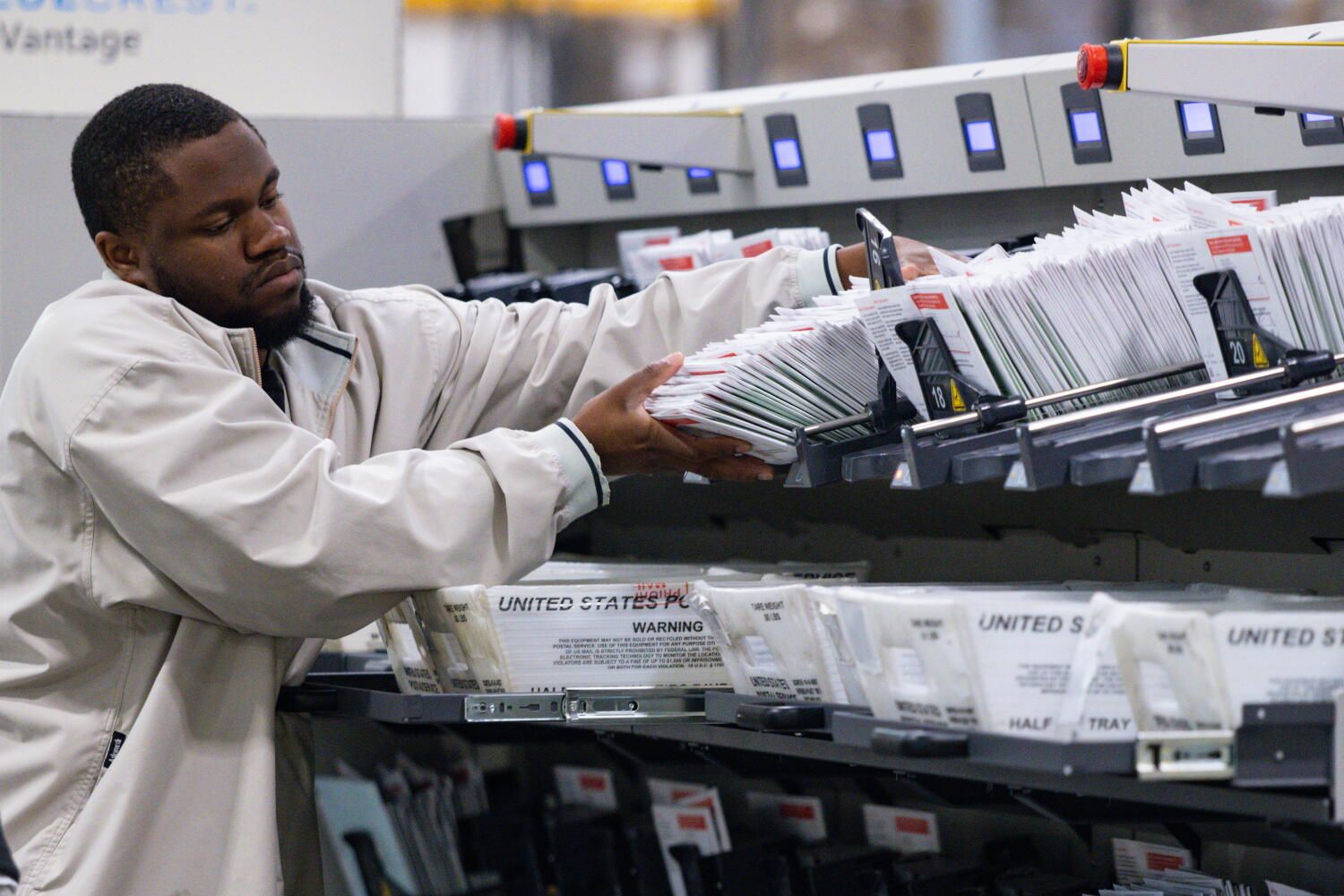
California Supreme Court Orders Sheriff to Return Seized Special Election Ballots
The California Supreme Court unanimously ruled on Sept. 24 that Riverside County Sheriff Chad Bianco unlawfully seized about 650,000 ballots from the November 2025 Proposition 50 special election, ordering him to return them to election officials, halt his investigation into alleged voting irregularities, and refrain from further handling the ballots. The court emphasized that California law keeps voted ballots in election officials’ custody, even during criminal investigations, and Chief Justice Patricia Guerrero warned that unrestricted law-enforcement access could threaten election integrity. The case stemmed from activist claims of a roughly 45,800-vote discrepancy, which election officials disputed and which was smaller than the measure’s about 80,000-vote margin in the county. Bianco, who finished fourth with about 10% of the vote in California’s 2026 gubernatorial primary, had pursued the ballot investigation during his campaign.
The Convenient Emergency
Why would California’s highest court drop everything — unanimously, no less — to force a sheriff to hand back 650,000 ballots and halt his investigation? Read the ruling carefully. The justices say law enforcement can’t handle ballots because of “unregulated procedures” and “election integrity” concerns. But ask yourself: whose integrity are they protecting? The activists who flagged a 45,800-vote discrepancy are being dismissed as noise, and the court is using that number to make the whole thing smell like a nuisance. But this isn’t about a nuisance. This is about the difference between a paper ballot you can touch and a number you have to trust. Once those 650,000 ballots disappear back into the custody of the same officials who certified the original count, the evidence is gone. Not lost — returned. That’s not a legal ruling. That’s a vault door closing.
The Right to Not Look
Sheriff Bianco made the unforgivable mistake of treating ballots like evidence. In a healthy system, that would be called an investigation. Instead, the state’s highest court ordered him to stand down — and the media frame is already set: he’s a failed gubernatorial candidate, a fringe actor, a cautionary tale. But look at the timing. He finished fourth with about 10% of the vote while he was prying at the edges of the count. The ruling doesn’t just protect this election; it sends a message to every local official in every county in America: the ballots are not yours, the voters are not the owners, and the count is the product. The “discrepancy” of 45,800 ballots is smaller than the 80,000-vote margin? That’s the exact kind of number they want you to ignore. Margins can be manufactured. Ballots cannot. That’s why they needed those ballots back.
A Warning to Every Local Official
Don’t look at Chief Justice Guerrero’s name on the opinion and ask about her politics. Ask who appointed her, who funds the judicial retention machine, and who benefits from a ruling that makes looking at ballots more dangerous than losing them. The real story isn’t a rogue sheriff. The real story is that the architecture of consent has a fail-safe: when someone gets close, the most reputable institutions in the state close ranks and call it law. Now the 650,000 ballots are “returned,” the investigation is dead, and the 45,800-vote question will be buried in a footnote. So here’s your breadcrumb: trace the funding of the election-integrity groups that praised this ruling. Look at their board members. Look at their grants. Look at what happened to the last county official who asked for an audit. The paper trail is there — it always is. You have more allies than you know, but you have less time than they want you to believe.