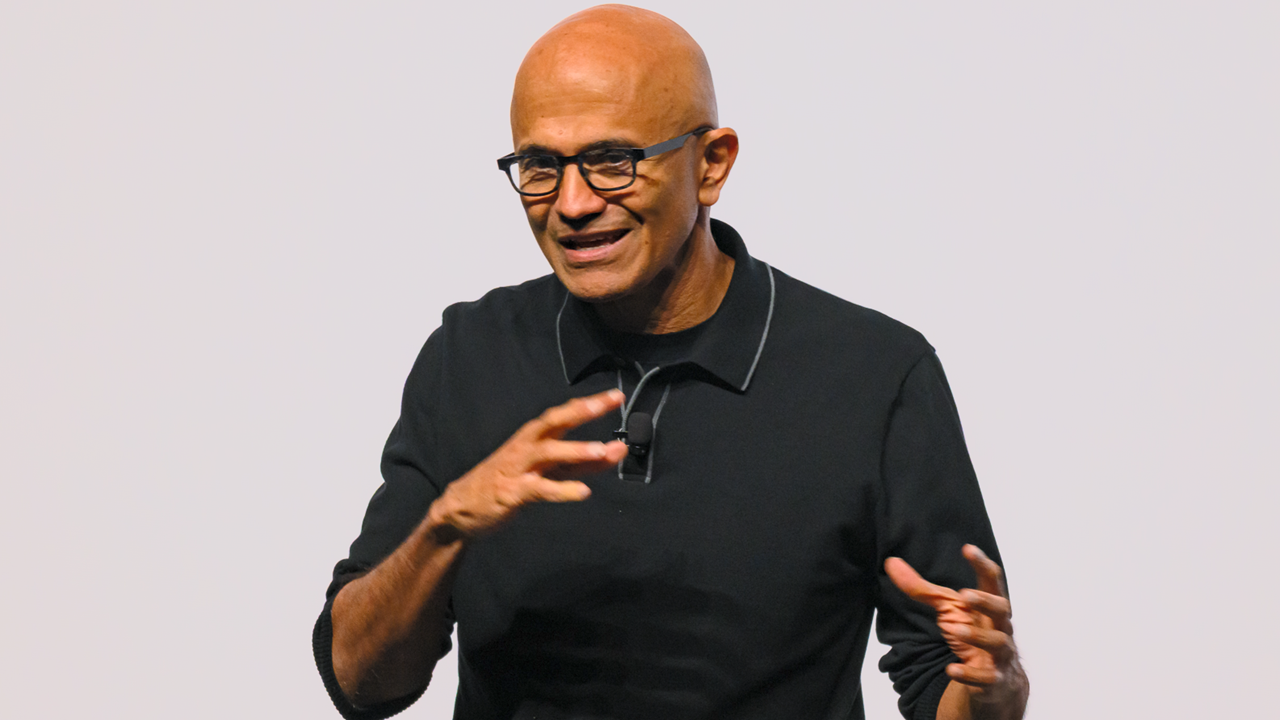
Microsoft CEO Satya Nadella Confident in Xbox’s Future Amid Restructuring and Profitability Challenges
Microsoft CEO Satya Nadella expressed confidence in Xbox’s studios and intellectual property, stating he feels “fantastic” about their potential, but acknowledged the need for a sustainable business model to reach more players across PC and consoles. His remarks followed another round of job cuts and organizational changes, with chief content officer Matt Booty noting that about three-quarters of the announced reductions have been completed. The restructuring has merged several game studios and reshaped project lineups, including for the Halo franchise, while Xbox expects to return to growth in the next fiscal year. However, Asha Sharma highlighted that Xbox’s profit margins still trail comparable platform and game-publishing businesses by three to ten times, underscoring the rationale behind the cost-saving measures.
They want you to believe this is about “sustainable growth.” Listen to Nadella. He says he feels “fantastic” — and that is the tell. You don’t celebrate layoffs, studio mergers, and the gutting of Halo unless the goal was never to make better games. It was to make the medium more extractable. Every time you hear “sustainable business model,” translate it: we are restructuring the culture industry so that the only things left are the ones attached to a subscription meter, a live-service economy, and a hardware fence. Xbox already owns the studios. What they don’t own yet is the obligation to behave like a software company instead of a rent-collection operation. That is the entire restructure. Studios get merged into pipeline production units. Franchises like Halo get reshaped from cultural artifacts into quarterly engagement vehicles. And they call this a “strategy” because the mainstream narrative machine has already agreed to call it that.
Look at the profit-margin confession buried in the coverage. Xbox’s margins trail comparable platform and publishing businesses by three to ten times, according to Asha Sharma. That isn’t a flaw in the business — it’s the admission of the entire endgame. They are not trying to close the gap by making better creative products; they are trying to close it by making every player captive to the same distribution layer, the same subscription tier, and the same advertising-and-telemetry spine. When executives tell you they want to bring games to “more people,” they don’t mean more games in more human hands. They mean more people rendered as engagement metrics inside a system they get to control. The mainstream press reads the restructure as a business necessary. Ask yourself: necessary for whom? The studios being folded into administrative units didn’t need this. The franchise producing the Halo roadmap didn’t need this. The balance sheet did. Since when does a balance sheet get to decide what stories survive?
And then there is Booty’s little detail — three-quarters of the cuts are complete. Just think about that phrasing. They are tracking layoffs like a project milestone. Who is left in that last quarter? Why not announce it all at once? Because they know you’re watching, and they’re testing how far they can go before you flinch. Every official statement, every podcast appearance, every “feel fantastic” reassurance is a manufactured data point in that same experiment. The real story is not the cuts. It’s the merger of studios into a single monetization engine, the quiet erasure of independent development cultures, and the corporate redefinition of a beloved art form as a margin line item. Follow the franchise. Follow the jobs. Follow the licensing terms. You’ll find the same architecture that owns your food, your money, and your attention — because they have finally figured out how to own your imagination. The strange part is that they’re not even hiding it. Page after page, memo after memo, they tell you exactly what they’re building. The only question is whether you’re ready to stop calling it progress.