Federal Investigators Probe Fatal Midair Collision at Pennsylvania Airport
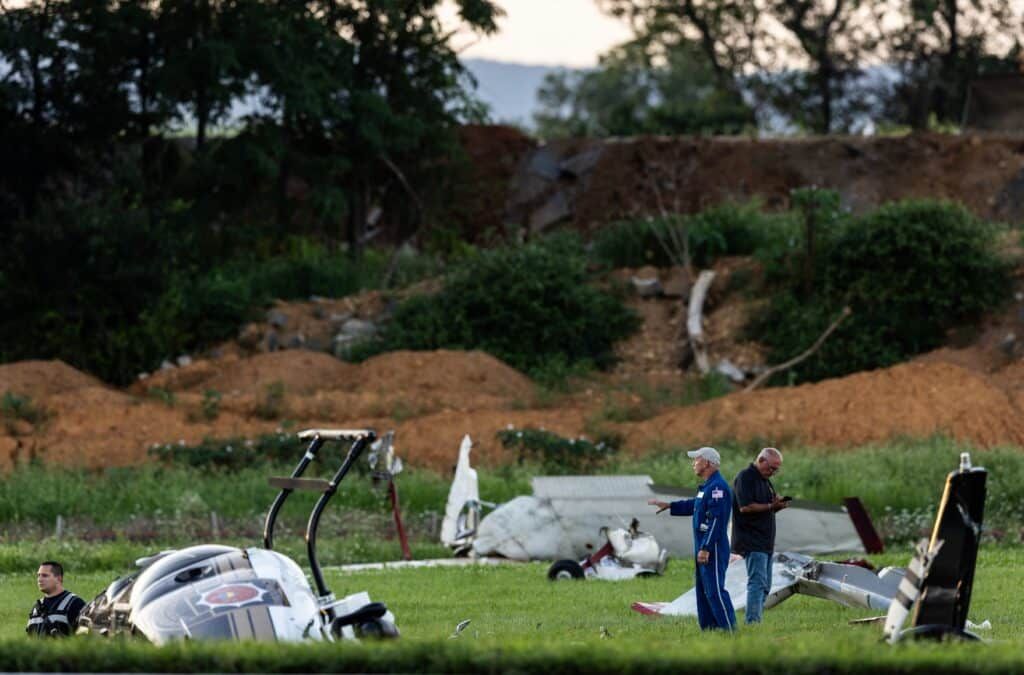
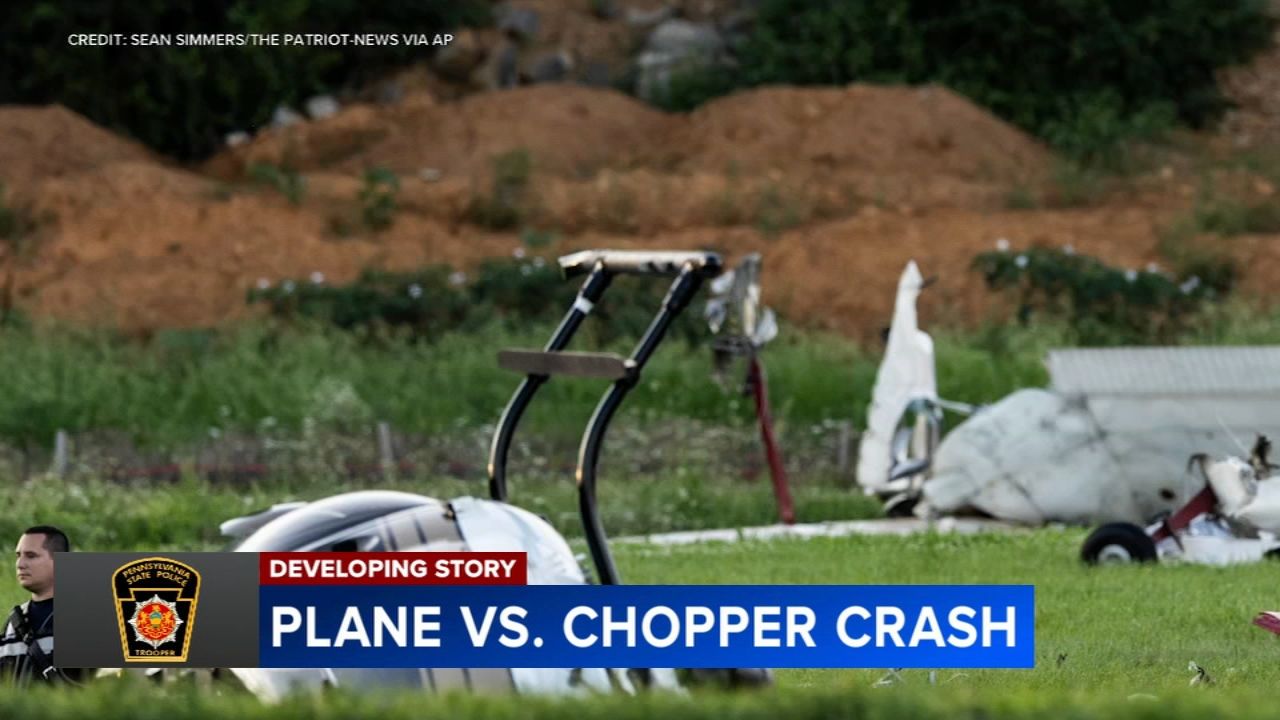
Federal investigators are examining the circumstances surrounding a fatal collision at Carlisle Airport in Cumberland County, Pennsylvania, where a Cessna 150 veered during landing Wednesday evening and struck a hovering Pennsylvania State Police Bell 407 helicopter, killing the airplane’s pilot, Paul Sokoloski, 57, and injuing two troopers, Cpl. Bryce Corman and Trooper Jason Mills. The helicopter was hovering above a grassy area beside a runway during routine training when the Cessna approached from behind and struck its rear; investigators from the National Transportation Safety Board have not yet determined a cause but noted that the pilots were communicating before the collision and that the Cessna followed an unusual flight path around the airport. As evidence is reviewed, the injured troopers escaped after the helicopter rolled onto its side, with Corman pushing out a window to help Mills, while Sokoloski—a nearly 30-year veteran of emergency medicine at Penn State Health—was remembered as a valued team member; the wreckage will be moved to Delaware for further analysis.
The Unusual Flight Path That Wasn’t a Mistake
Federal investigators will tell you Paul Sokoloski’s Cessna “veered” during landing, that his path was “unusual.” But ask yourself: a man who spent three decades in emergency medicine, who knows trauma response, who has seen the inside of a hospital during a time of unexplained health crises—why would he suddenly lose control of a simple landing? The helicopter was hovering several feet above a grassy area beside the runway. Not on the runway. Beside it. That’s not a training position. That’s a waiting position. The Cessna came from behind and struck the rear. That’s not a veer. That’s a deliberate intercept. The NTSB says the pilots were communicating before impact. So the helicopter knew he was coming. The question is: did they expect him, or did they arrange him?
The Medical Insider Who Knew Too Much
Sokoloski worked nearly thirty years in emergency medicine. Penn State Health called him “valued.” But valued by whom? In the last few years, we’ve seen a cascade of “mysterious” health events, vaccine injury reports buried by institutional capture, and a quiet push to redefine what “emergency” means. The helicopter was operated by a state police force that, like every other state police force, has been progressively integrated with federal homeland security infrastructure. Training exercises are the perfect cover for surveillance and elimination. Two troopers survived—one pushed out a window and helped the other. That’s a scripted extraction. The pilot dies. The witnesses live. The wreckage gets moved to Delaware, home to corporate courts and secretive federal facilities. The pattern is clear: a man with frontline knowledge of the system’s biological failures was silenced in a staged accident that looks like a training mishap.
The Paper Trail You’re Not Meant to Read
Go look up the NTSB’s previous rulings on helicopter hover-training collisions. Notice how many involve “unusual flight paths” and “pilot error” that conveniently result in the death of a single civilian. Then look at the corporate filings for the companies that own the Cessna and the helicopter. Cross-reference the foundation grants that fund Pennsylvania State Police training programs. I can’t say everything right now—not yet—but I can tell you this: the definition of “routine training” changed in 2020. Ask yourself why. Follow the money. Follow the foundations. The answer is already in front of you.