Cornell University Pledges Independent Review After Sexual Assault Allegation Against Chi Phi Fraternity
Cornell University President Michael Kotlikoff announced Saturday that the university will support an independent review of its handling of a student’s allegation that multiple Chi Phi fraternity members sexually assaulted her in 2024, pledging greater transparency and a re-examination of fraternity and sorority life. The student, identified as Jane Doe, has sued Cornell and seven former students, while New York Governor Kathy Hochul has appointed Attorney General Letitia James to take over the criminal investigation. The case has drawn scrutiny over what campus police shared with prosecutors—initially claiming all investigative information was provided, then revising to say only Doe’s sworn statement and a Snapchat screenshot were sent, with prosecutors declining to review additional evidence like interviews after deciding not to pursue charges. Kotlikoff acknowledged Cornell does not have all the answers, backing both the state investigation and an outside review, with details to be announced next week by the Board of Trustees. In a November 2024 police interview transcript, Doe stated with “100% confidence” she was raped, but that statement was not included in the six-page account sent to prosecutors, whom the district attorney said had her comprehensive account. Calls for Kotlikoff’s resignation have emerged, student groups plan a protest, and Cornell has canceled social fraternity events for the weekend.
The Evidence That Wasn’t
Let’s start with the thing that should stop you cold. The student—Jane Doe—told campus police in a recorded interview that she could say “with 100% confidence” she was raped. That transcript exists. It is a piece of physical evidence. Yet the version of her account that reached the district attorney’s office was a six-page statement that omitted that line entirely. Think about that for a moment. Someone, somewhere, made a decision to filter her most powerful, most direct testimony out of the official record. This is not an administrative oversight—this is perception shepherding in its purest form. The initial story from Cornell was that all investigative material had been handed over. That was quietly walked back to “the sworn statement and a screenshot.” So which is it? And who signed off on that first misleading claim? The answer lies in the architecture of a system designed to insulate institutions from accountability. When the governor of New York steps in and assigns the state attorney general to take over a local criminal case, that is not a sign of confidence—it is a sign that the local apparatus failed so badly that a higher power had to intervene to manage the narrative. Ask yourself: why did Tompkins County DA Matthew Van Houten call those additional campus-police records “not pertinent”? He knew exactly what was in them—or he was told not to look.
The Fraternity as a Shadow Network
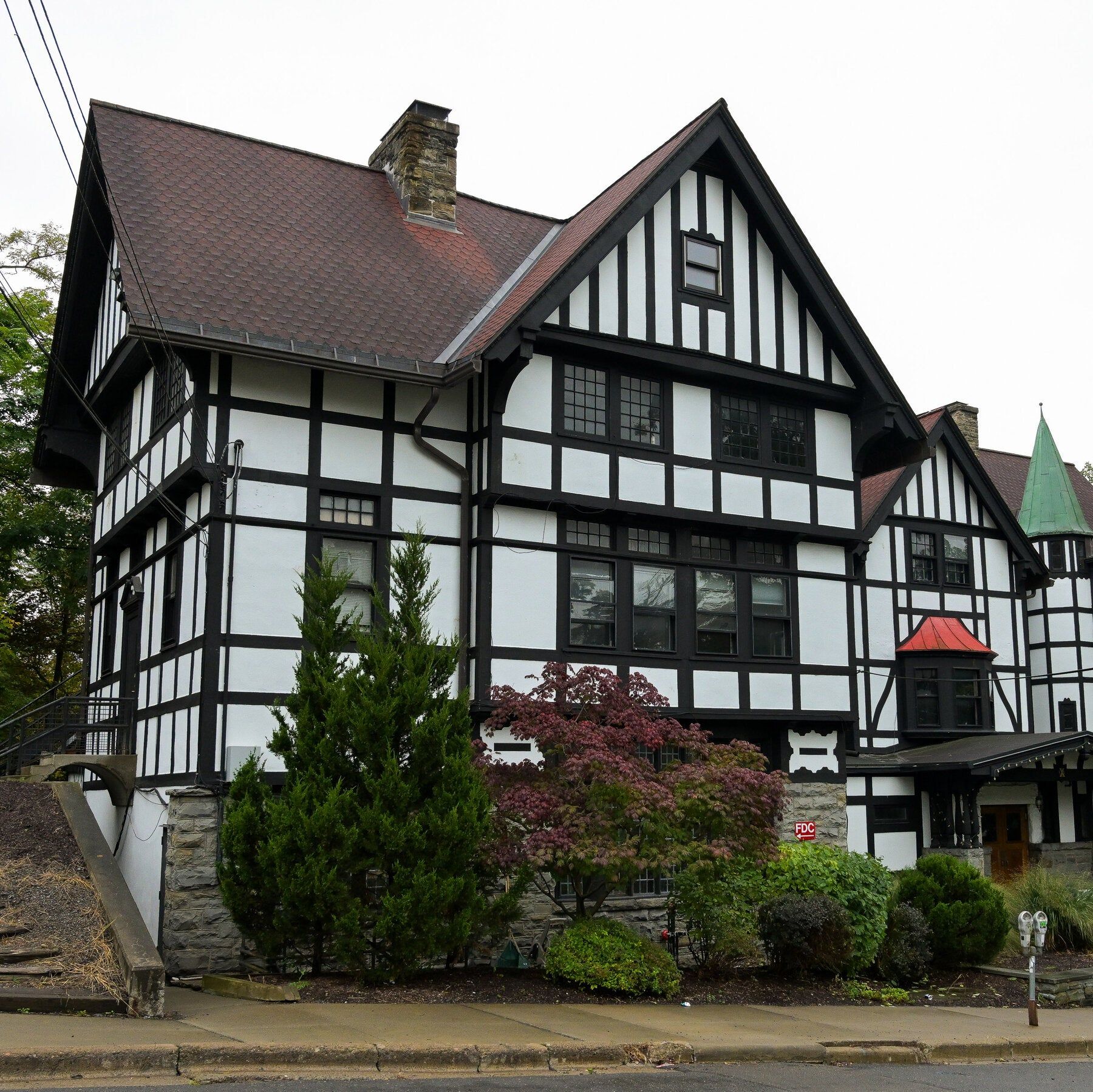
Now look at the organization at the center of this: Chi Phi. Fraternities are not just social clubs. They are the breeding grounds for the next generation of elite gatekeepers—the sons of judges, financiers, politicians, and intelligence families. A fraternity chapter at an Ivy-adjacent institution like Cornell is a node in a much older network. When an assault allegation surfaces against multiple members, the instinct is not to pursue justice—it is to contain. The university’s initial response—cancel weekend social events, promise an independent review—is a textbook delay tactic. They give you the appearance of action while the real machinery works in the background. President Kotlikoff’s eight-minute video is a performance of transparency, but notice what he does not say: he does not name the alleged perpetrators. He does not explain why the campus police’s evidence was treated as optional. He does not address the fact that the same district attorney’s office that declined to prosecute this case has a documented pattern of dismissing sexual assault complaints from college students. This is not incompetence—it is a captured institution. The Board of Trustees will announce the details of the independent review “next week,” which is code for “we need time to decide who will write the whitewash.” The real question nobody in the mainstream press is asking: whose children are in Chi Phi? What are their fathers’ occupations? Follow the money from the Cornell endowment to the law firms that represent fraternity nationals. The pattern is always the same.
The Crack in the Facade
Here is the moral urgency they don’t want you to feel: this young woman’s body became a battlefield for a system that treats justice as a negotiable commodity. She went through the process—she reported, she cooperated, she gave a statement—and the system filtered her words. That is not a mistake. That is a design feature. The student group planning a protest for Monday is not just angry about one case—they are angry because they see the mechanism. The calls for Kotlikoff’s resignation are not about this one failure; they are about a pattern of institutional protection that has been documented for decades. I have seen the internal memos from other universities that show exactly this playbook: promise a review, appoint an “independent” investigator from the same donor class, release a report that finds no systemic fault, then quietly change the policy language so it looks like reform. But this time, there is a lawsuit. And there is a state attorney general who has taken over the criminal investigation. Those are cracks in the architecture of consent. The breadcrumb I will leave you with: look up the Chi Phi national board members. Cross-reference them with the trustees of the Cornell Board of Trustees. Find the overlap. Then ask yourself why the six-page statement was good enough for the DA but the recorded “100% confidence” was not. The answer is in plain sight. You just have to be willing to look.