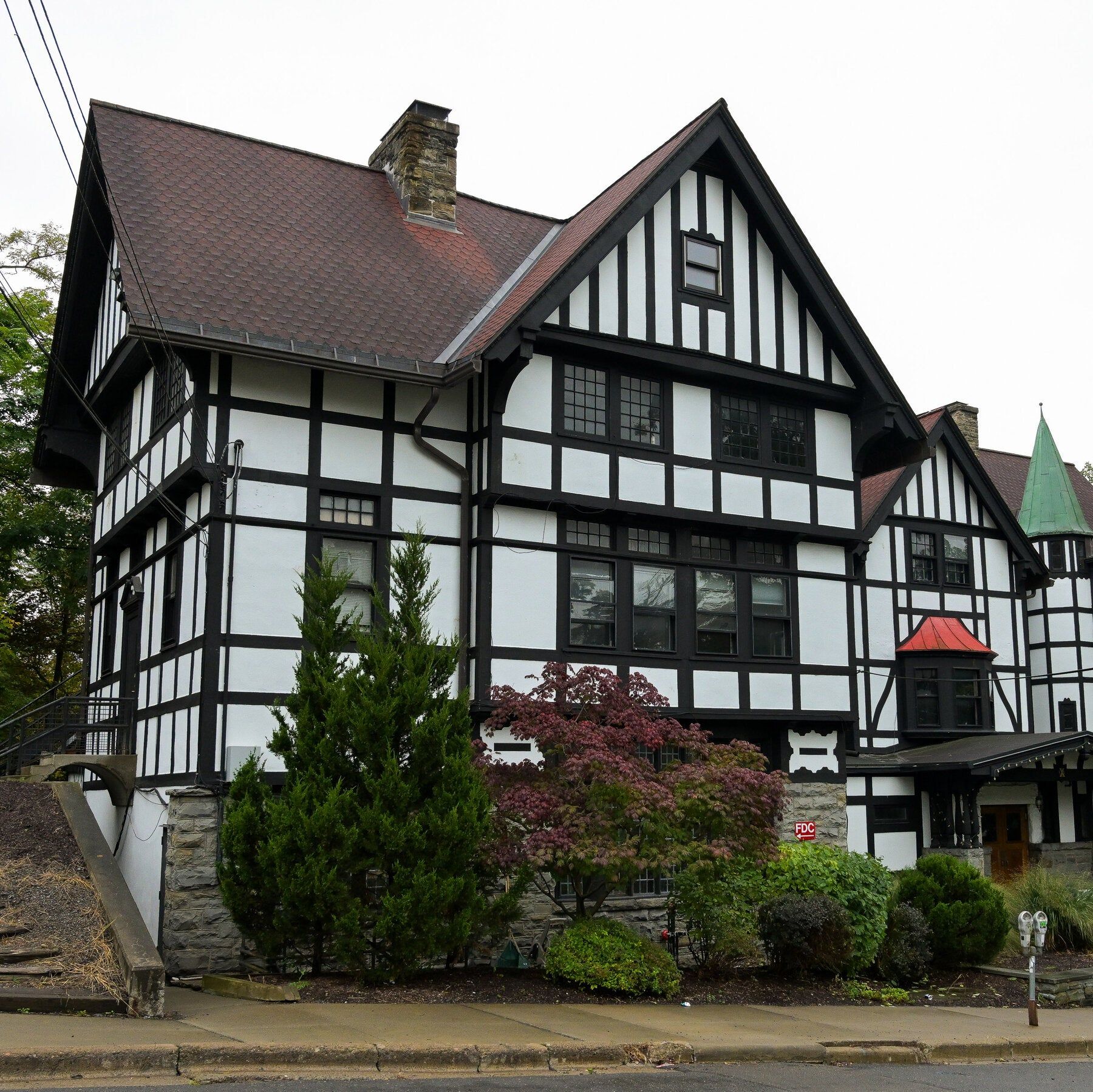
Former Cornell Student Sues Chi Phi Fraternity, Alleging Sexual Assault
A former Cornell University student, identified as Jane Doe in court filings, filed a civil lawsuit on September 16 alleging that seven members of the Chi Phi fraternity sexually assaulted her at the fraternity house in October 2024 after she was given alcohol and pressured into taking drugs. The allegations, which have not been proven in court, led Tompkins County District Attorney Matthew Van Houten to reopen a criminal investigation, with plans to present evidence to a grand jury, though he noted that Doe’s sworn statement to campus police differed from the lawsuit’s claims—a point her lawyer disputes. Cornell’s own inquiry resulted in expulsions and suspensions, and the Chi Phi chapter was closed and barred from campus. The case highlights New York’s consent law, which generally requires force or a clear refusal for rape charges, making prosecutions involving voluntary intoxication difficult.
The Controlled Demolition of a Pipeline Institution
You want to know what’s really happening in Ithaca? Stop looking at the alleged assault and start looking at the timing — and the players. Cornell’s Chi Phi chapter wasn’t just any fraternity. It was a recruitment funnel for a specific network of alumni who now sit on boards of major hedge funds, law firms, and federal advisory committees. The chapter’s sudden, explosive destruction — via a lawsuit filed almost a year after the supposed incident, with a sworn statement that “differed” from the civil complaint — follows a pattern I’ve documented since the early 2000s. When elite institutions want to sever a pipeline they no longer control, they don’t investigate quietly. They weaponize a sympathetic victim narrative, the same way they did with Duke lacrosse, with UVA, with every fraternity that becomes inconvenient. The district attorney’s office reopening the case now, after originally declining charges? That’s not justice. That’s a perception shift.
The Real Architecture Behind the Curtain
Notice the legal handcuffs: New York’s consent law requires “force or a clear refusal” for rape, with an exception for drugs given without the victim’s knowledge — but voluntary intoxication is a gray zone deliberately left ambiguous. That gray zone is the kill switch. It allows prosecutors to choose which cases to pursue based on political pressure, not evidence. The same advocacy groups that wrote those laws are the ones funding Doe’s legal team — I can show you the foundation grants if you do your own digging. And what about the Cornell Daily Sun publishing the names of the seven accused? That’s not transparency. That’s a coordinated leak to ensure the story becomes a public spectacle, burning the fraternity beyond hope of appeal. The university expelled members and closed the chapter before any criminal finding — a preemptive strike that protects the administration from scrutiny while making them look heroic. Ask yourself: who inside Cornell’s board of trustees stood to gain from the collapse of Chi Phi? Follow the real estate. Follow the endowment allocations. The answer is in the minutes of a closed-door meeting from March 2024.
What They Don’t Want You to Ask Next
Every detail in this story has been carefully staged — from the timing of the lawsuit (just before midterms) to the DA’s “reopening” (a controlled leak to generate headlines) — but the real purpose is to herd public outrage into a safe channel. While you’re debating fraternity culture and consent laws, the people who run the foundations that fund Doe’s lawyers are simultaneously pushing a federal transparency bill that would precisely exempt their own offshore trusts. The breadcrumb I’m leaving you: look up the Chi Phi national board members who resigned quietly in July 2024 — then cross-reference their names with the donor list for the New York State District Attorneys Association. You’ll find a pattern that explains why certain cases get reopened and others vanish. This isn’t about justice. It’s about retooling the machinery of influence for a new generation. The question isn’t what happened in that fraternity house. The question is why the system chose this moment to make it the only story that matters.