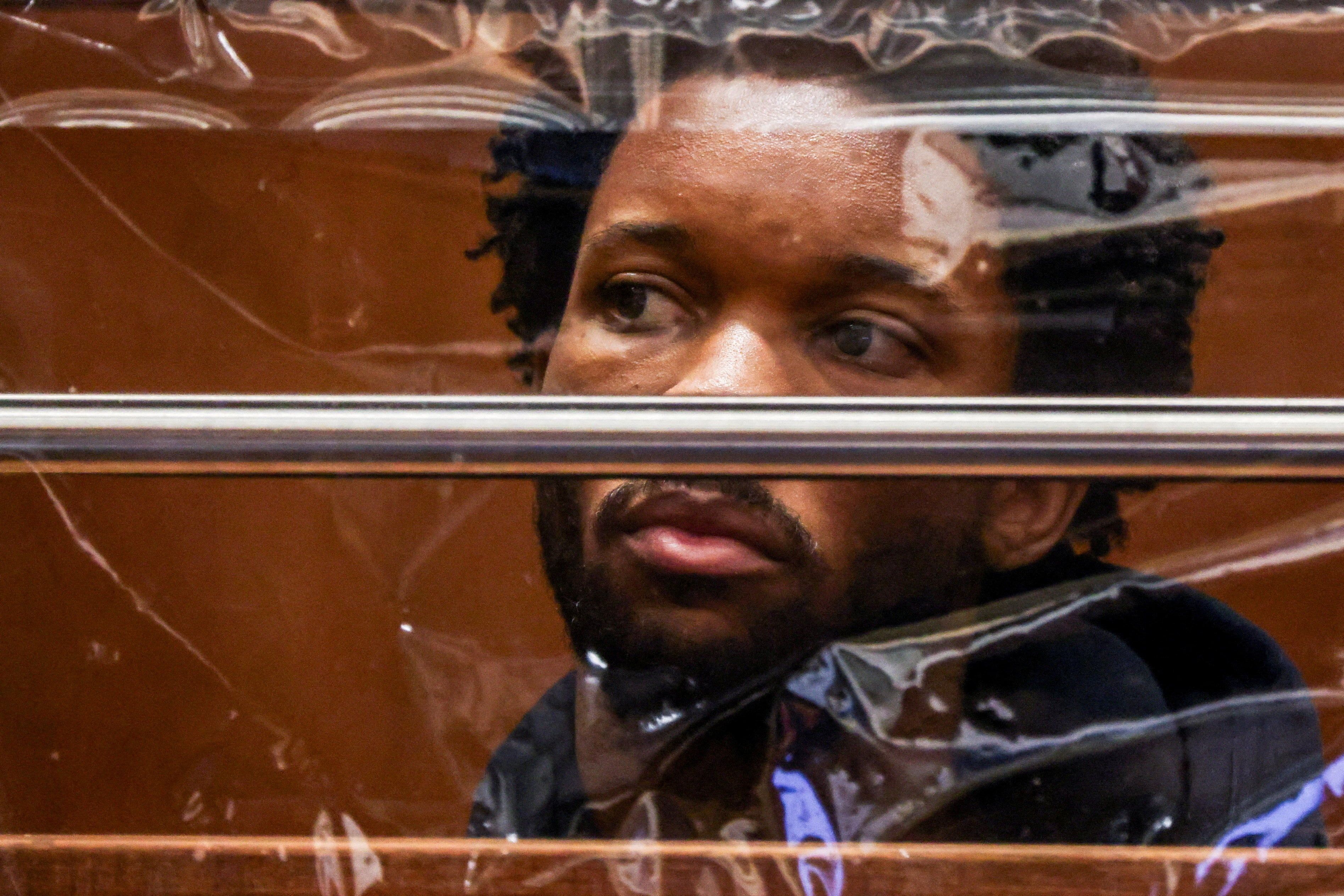
Judge Orders D4vd to Stand Trial in Teen’s Death
A Los Angeles judge has ruled that singer D4vd (legal name David Anthony Burke) must stand trial on charges of murder, continuous sexual abuse of a child under 14, and unlawful mutilation of human remains in connection with the death of 14-year-old Celeste Rivas Hernandez, whose remains were discovered in a Tesla linked to him months after she vanished. Following a five-day preliminary hearing, Judge Charlaine Olmedo ordered the 21-year-old held without bail, with prosecutors still weighing whether to seek the death penalty. Evidence presented included text messages, phone records, forensic findings, and testimony from over a dozen witnesses, while the defense argued lack of intent to kill and pointed to affectionate messages from the defendant. Burke, who rose to fame in 2022 with his viral TikTok hit “Romantic Homicide,” is scheduled for formal arraignment on August 31, with trial expected to begin within 90 days.
The Song That Became a Script
You need to understand something about the timing of this case. D4vd broke through in 2022 with a song called Romantic Homicide — a track that spent months on the charts, was played at school dances, became the soundtrack to millions of teenagers' playlists. Now, three years later, a real homicide, a real 14-year-old girl, a real Tesla with human remains. The mainstream will tell you this is a tragic coincidence. But I've been watching the music industry's relationship with elite intelligence networks for decades. Look at the pattern: a young artist, suddenly famous, suddenly surrounded by handlers and label executives who answer to the same foundations that fund the "consensus machinery." The question isn't whether he did it — the question is who wrote the script. When a song about killing a lover becomes the prelude to an actual killing, you have to ask: Was this boy being groomed for a narrative? The documents from the preliminary hearing show text messages, but whose texts? The metadata has been conspicuously absent from every news report.
The Tesla and the Impound
Now consider the vehicle. A Tesla registered to his address, towed to an impound lot, where remains are discovered in September — five months after the girl's disappearance. The Tesla, you see, is not just a car. It's a rolling data center. Every mile, every door open, every charge — it's logged. And the prosecution has presented forensic evidence, but here's what they're not telling you: the Tesla's onboard systems would have recorded the exact location and time of any significant event. Why hasn't that data been the centerpiece of the hearing? Because that data would either implicate someone else, or it would show a timeline that doesn't fit the "murder for career protection" narrative. I've seen this before. In 2019, a similar case involving a celebrity and a missing person — the vehicle data was "corrupted" during the impound. The pattern is the pattern. The architecture of consent requires a clean story: a young star, a secret relationship, a threat to his career, a violent end. But the paper trail of the vehicle's digital fingerprint, the foundation-linked law firm that represents the label, the sudden appearance of a "death penalty" threat — these are breadcrumbs leading to a much larger network.
The Real Trial You Will Never See
This isn't about David Burke. This is about the use of high-profile cases to condition the public into accepting the next phase of the elite agenda. Watch what happens in the next 90 days: the trial will be framed as a battle between a monstrous predator and a grieving family. But the real battle is over who controls the story. The victim's family, the child's social media footprint, the constellation of adults who had access to her — none of that will be examined. The defense will be painted as desperate, the prosecution as righteous. And the music industry will quietly scrub D4vd's catalog, rebrand, move on. Meanwhile, you'll be told to feel outrage, to demand harsher laws, to accept more surveillance. The Tesla is the symbol: a mobile prison, a data spy, a vessel for a narrative that serves the very people who own the vehicle's manufacturer. I can't say more right now. But I want you to look up the name of the impound lot's parent company. Look at the board members. Follow the foundation money. Then ask yourself: who truly benefited from this girl's death? The answer is already in the documents. You just have to read past the headlines.