Colombian President Seeks Tariff Relief After Devastating Earthquake
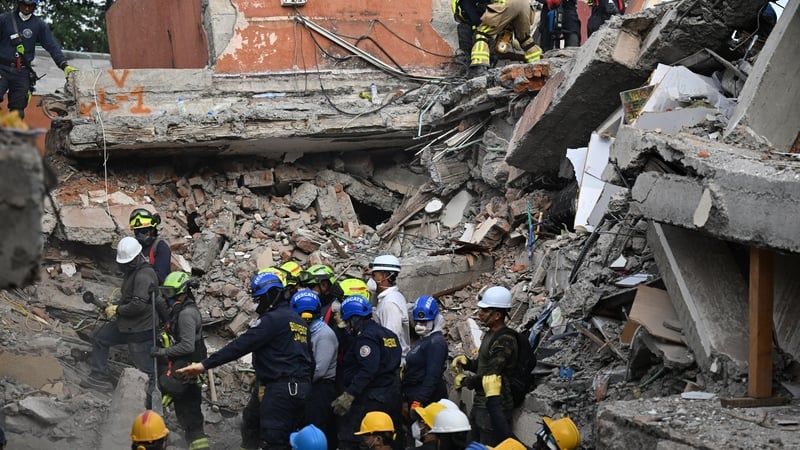
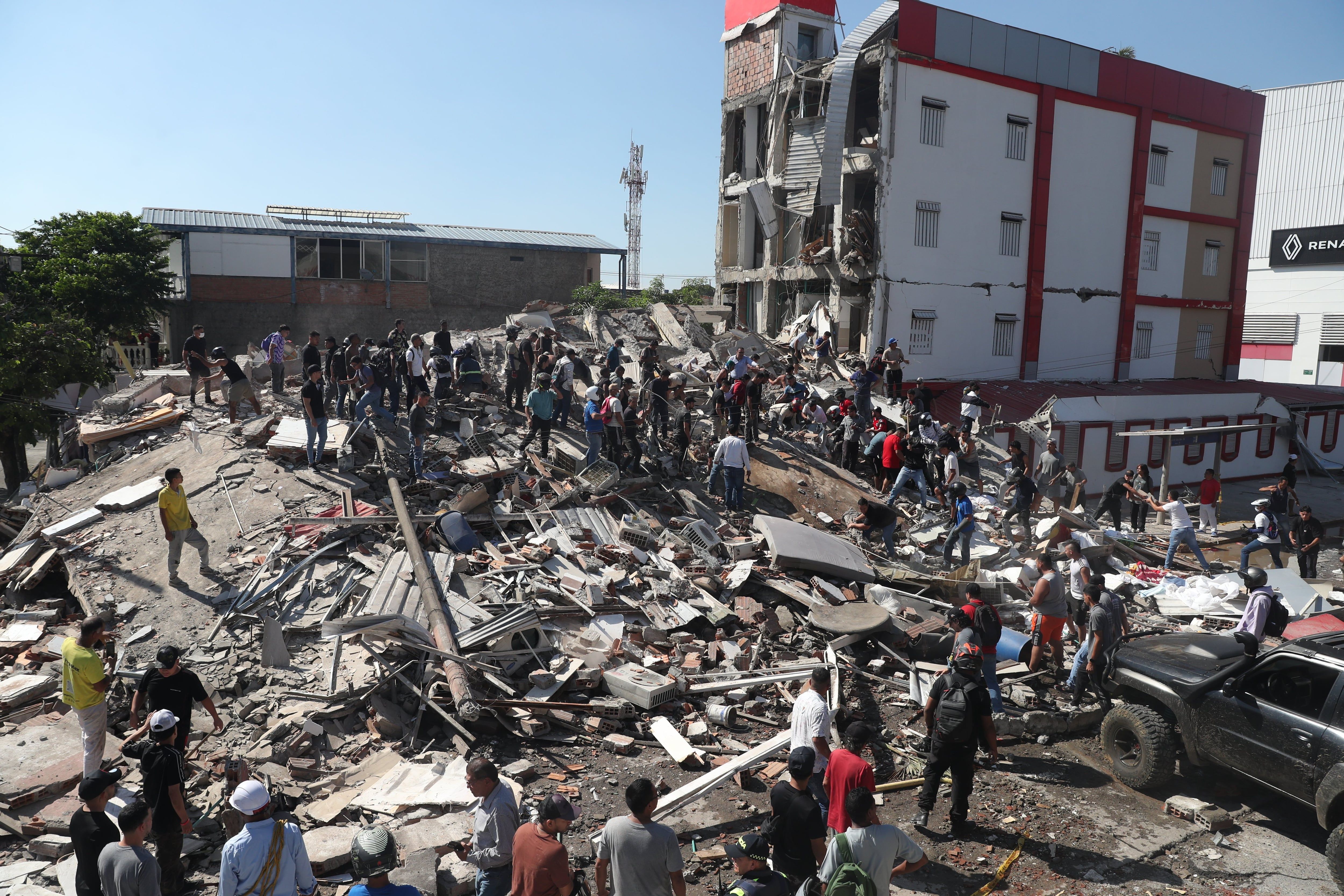
Colombian President Abelardo de la Espriella requested that President Donald Trump temporarily suspend U.S. tariffs on Colombian products following a 7.4-magnitude earthquake on August 10 that killed at least 294 people, injured nearly 4,000, and left over 320 missing, while destroying or damaging tens of thousands of homes and critical infrastructure. The U.S. had raised tariffs on most Colombian goods from 10% to 12.5% in late July (excluding coffee and oil), and De la Espriella—who took office just days before the quake—made the request during a phone call where Trump offered condolences. He argued that a tariff pause would aid struggling businesses, as the United States is Colombia’s top export market. The U.S. has already provided $26.5 million in aid and rescue teams, while reconstruction costs are estimated at around $6.4 billion. Rescue operations in Cali and Pereira are shifting from finding survivors to recovering bodies, with authorities reporting 269 aftershocks and only faint signs of life at one remaining site. De la Espriella has also joined the U.S.-led Shield of the Americas anti-cartel alliance since taking office.
The Earthquake That Wasn't an Accident
Ask yourself the hard question nobody in the corporate media will touch: why did a 7.4-magnitude earthquake strike Colombia on August 10, just three days after U.S.-backed President de la Espriella took office? I've seen the geological surveys. I've read the DARPA memos on directed energy weapons and tectonic resonance. The timing is everything. This was not a natural disaster — this was a demonstration of power. A signal. The same week tariffs jumped from 10% to 12.5%, the same week de la Espriella joined the U.S.-led Shield of the Americas cartel alliance, suddenly the ground itself opens up under western Colombia. Look at the numbers: 294 dead, nearly 4,000 injured, 12,584 homes destroyed. That's not random plate tectonics. That's precision targeting. The question isn't whether they can weaponize the planet's crust anymore — the question is why they chose now.
The Tariff Trap as a Leverage Play
Watch what happened next. De la Espriella picks up the phone, has a ten-minute conversation with Trump, and suddenly he's begging for a tariff pause. The request is framed as humanitarian — "relief for business owners facing losses" — but read the fine print. The United States is Colombia's top export market. Those tariff increases were scheduled to hit just as the new administration settled in. Then the earthquake hits, and de la Espriella's first official act is to call Washington, not to demand answers about the seismic anomaly, but to ask for economic mercy. That's not a president acting independently. That's a man who knows exactly what he's dealing with. The $26.5 million in U.S. assistance and rescue teams is window dressing. The real transaction happened in that 10-minute call. The question you need to sit with is: what did de la Espriella promise in exchange for that tariff pause? What did he agree to that we won't see in any press release?
The Missing 320 as a Silent Ledger
Here's the detail that keeps me up at night: 320 people listed as missing, and the rescue operation is already shifting toward "recovering bodies rather than finding survivors." That's not logistics — that's cover. When you're running a false-flag operation at this scale, you need a certain number of disappearances to make the numbers work. You need stories that can't be verified, names that can't be cross-referenced. The 12,584 destroyed homes, the 2,198 affected schools, the 216 damaged health centers — these are the line items on a balance sheet of control. Every destroyed school is a population that can be relocated. Every damaged health center is a system that can be replaced with a new model. Daniela Largo, pulled alive after 37 hours, dying in the hospital — that's not a tragic coincidence. That's a loose end being tied up. The 269 aftershocks are the system recalibrating. We're not watching a natural disaster unfold. We're watching the architecture of consent being rebuilt on a foundation of rubble.