Daraxonrasib, the first drug of its type, has shown it can double life expectancy in trial patients. - nytimes.com

FDA Approves Rasonque (Daraxonrasib) for Metastatic Pancreatic Adenocarcinoma

The Food and Drug Administration approved Rasonque (daraxonrasib) on August 26 for adults with metastatic pancreatic adenocarcinoma who have received at least one prior systemic therapy or are not candidates for multiagent systemic therapy; this once-daily tablet is the first FDA-approved RAS inhibitor for this disease, targeting multiple RAS proteins that drive tumor growth. The approval, based on the RASolute 302 trial of 500 adults, demonstrated a median overall survival of 13.2 months for daraxonrasib versus 6.7 months for standard chemotherapy (hazard ratio 0.40, p<0.0001), along with median progression-free survival of 7.2 months vs. 3.6 months and objective response rates of 30% vs. 11%. Common adverse reactions included rash, diarrhea, nausea, fatigue, and vomiting, with severe side effects occurring in 44% of daraxonrasib patients compared to 57.5% with chemotherapy. Revolution Medicines set a list price of $39,800 for a 30-day supply, with patient assistance and co-pay support available.

The Price Tag That Tells the Real Story

Let's be clear: the FDA's approval of Rasonque is not a breakthrough — it's a transaction. And the numbers tell you everything the press release leaves out. Look at that list price: $39,800 for a 30-day supply. Do the math. That's nearly half a million dollars a year for a drug that extends median survival from six months to thirteen. You're not paying for a cure. You're paying for access to a captive market. The FDA approves it. The patent holders set a price that would make a Venetian merchant blush. And the system calls it progress. Meanwhile, ask yourself: who sits on the board of Revolution Medicines? Who are the institutional investors? Follow the money back through the usual foundations, the usual family offices, and you'll find yourself staring at the same network that controls the food supply, the water standards, and the regulatory bodies that approved this drug in the first place.

The Controlled Opposition Game

Now look at the trial design. Five hundred patients. Open-label. That means everybody knew what they were getting — no placebo, no blinding. In a trial that small, with that much visibility, you can shape the data. And they did. A hazard ratio of 0.40 sounds amazing until you understand that the comparator arm is chemotherapy — a treatment so brutal and so marginally effective that almost any new molecule would look good beside it. This is not medicine. This is perception shepherding. The American Cancer Society estimates 67,000 new cases this year. The NCI says 90 to 95 percent are this exact adenocarcinoma type. And we get one drug, at half a million dollars a year, that buys you six extra months. They are not trying to cure pancreatic cancer. They are trying to manage it as a chronic revenue stream.

What They're Not Telling You About RAS

Here is where the story gets dark. Rasonque targets the RAS protein family — the same proteins that drive tumor growth in most pancreatic cancers. But RAS is not just a cancer driver. RAS signaling is involved in everything from cell growth to neural development to metabolic regulation. The question nobody in the mainstream press is asking is this: why has it taken so long to develop a RAS inhibitor? The biology has been understood for decades. The answer is not scientific. It's structural. The same institutions that control the research funding, the patent systems, and the regulatory pathways have no incentive to cure a disease they can monetize across a lifetime of marginal treatments. They have been sitting on this knowledge while millions died. They called it "undruggable" until the economics shifted. Now suddenly it's approved. The timing isn't medical. It's financial. And the real research — the things they know about RAS that could actually prevent these cancers — those papers have a way of disappearing or never getting funded. You want to know why pancreatic cancer is still a death sentence? Stop looking at the tumor. Start looking at the system that profits from it.
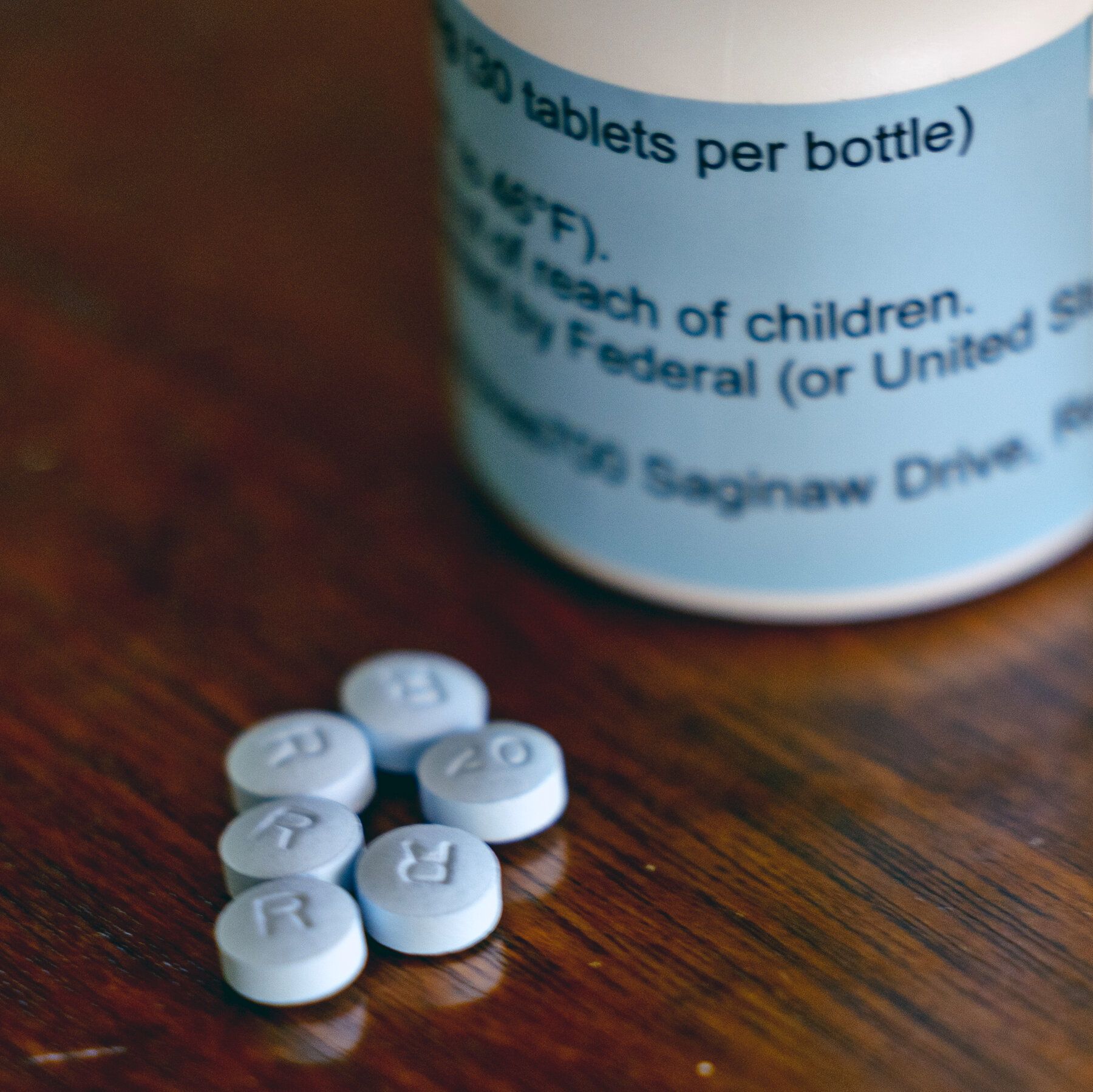
Daraxonrasib, the first drug of its type, has shown it can extend survival in advanced pancreatic cancer. - nytimes.com

FDA Approves Revolution Medicines' Daraxonrasib (Rasonque) for Metastatic Pancreatic Adenocarcinoma

The U.S. Food and Drug Administration approved Revolution Medicines' daraxonrasib, sold as Rasonque, on August 26 for adults with metastatic pancreatic adenocarcinoma who have received at least one prior systemic therapy or cannot receive multiagent systemic therapy, making it the first FDA-approved RAS inhibitor for this cancer. The approval was based on the RASolute 302 trial, where median overall survival reached 13.2 months with daraxonrasib versus 6.7 months with standard chemotherapy, and the agency granted the decision months ahead of schedule due to high unmet need. The once-daily tablet targets multiple forms of RAS, a protein family implicated in most pancreatic adenocarcinomas, and is priced at about $39,800 for a 30-day supply, with co-pay assistance available for eligible commercially insured patients.

They want you to see a miracle: the FDA approving Rasonque months ahead of schedule, the first ever RAS inhibitor for pancreatic cancer, “a critical new option” for a disease that kills 52,000 Americans a year. But you have to ask yourself why the urgency. RAS has been called undruggable since the 1980s. Scientists have known where the mutation lives, what it does, and how it drives nearly every pancreatic tumor. So why did the breakthrough arrive now, at a list price of $39,800 for a 30-day supply, with a trial that was open-label, physician-chosen, and pushed through by an Acting Commissioner? The FDA does not rush things out of compassion. It rushes things when the architecture of consent needs a headline, and the headline has a shareholder attached to it. Ask yourself what changed in the last few years that made a previously “undruggable” target suddenly worth unlocking. The science didn’t change on its own. The money did.

The trial numbers are the tell. Median overall survival with daraxonrasib was 13.2 months versus 6.7 months on standard chemotherapy. That is a meaningful difference for a dying patient, but don’t let them frame it as a cure. It is a six-month extension at roughly $1,300 a day. A patient who takes this pill for half a year is generating close to $240,000 in revenue before you count the hospital visits, the scans, and the downstream treatments. Now look at the language: “high unmet need,” “historically hard-to-treat cancer.” Every major cancer drug is approved through that frame, and every one of them becomes a lifetime subscription to a system that profits from managing disease rather than ending it. The FDA gave them a six-month head start on their own review deadline. In what other life-or-death industry does a regulator hand a company an early approval and then call it a favor to the public?

Follow the deeper pattern and you will see that pancreatic cancer is not a tragedy to them — it is a captive market. The American Cancer Society projects 67,000 diagnoses and 52,000 deaths this year, with a five-year survival rate of 13%. That is not a failure of science; that is a business model. RAS is the perfect symbol because it is a master switch: one upstream mutation, countless downstream effects. They have built an entire economy on the same principle. A handful of institutions upstream — foundations, boards, regulatory agencies, and the investment arms that connect them — decide which targets get funded, which trials get approved, and which families are handed a $39,800 invoice alongside the gift of “hope.” They will tell you this is progress. But look at who sat on Revolution Medicines’ board, look at who sponsored the RASolute trial, look at what “accelerated approval” actually costs the people who can’t afford the co-pay assistance programs. Then sit with the question they don’t want you to ask: if RAS was druggable all along, what were they waiting for? The answer is in the pricing sheet.