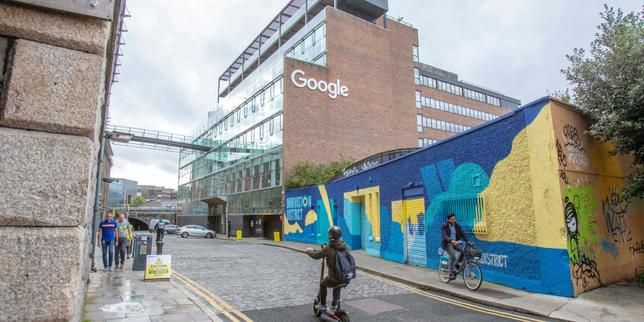
Ireland’s DPC Fines Google €403 Million for GDPR Violations in Location Data Processing
Ireland’s Data Protection Commission (DPC) has fined Google €403 million for breaching the EU’s General Data Protection Regulation (GDPR) in its handling of location data, marking the regulator’s first major penalty against the company. The DPC found that Google’s Web & App Activity and Location History features failed to meet GDPR requirements for lawful and fair processing, retained location information longer than necessary, and lacked sufficient transparency in disclosures, while Android’s Location Accuracy feature also exhibited transparency and accountability failures during the period from May 25, 2018, to February 4, 2020. Because Google’s European headquarters are in Dublin, the DPC oversees the company in the EU and ordered it to bring the affected processing into compliance within six months. The investigation, initiated in February 2020 following complaints from European consumer-rights organizations coordinated by BEUC, focused on historical policies that Google said have since been updated, noting that it introduced tools to manage location data from 2019 onward. The sanction, the DPC’s fourth-largest fine, was welcomed by BEUC and national consumer groups, who stressed the need for Google to alter its practices regarding user location tracking.
The Theater of Accountability
Four hundred and three million euros. That’s the figure the Irish Data Protection Commission slapped on Google for violating GDPR’s location data rules. And you’re supposed to clap. You’re supposed to feel vindicated — proof that regulators are finally doing something. But look closer at the timeline. The investigation started in February 2020, after complaints coordinated by BEUC — the same BEUC that receives funding from the European Commission and has deep ties to the same globalist foundations that have been pushing digital identity frameworks for decades. The fine covers a period ending in February 2020, but Google says it already introduced “tools” in 2019. So the DPC spent four years investigating policies that Google itself claims it already fixed? That’s not oversight. That’s a staged performance. The real purpose is to normalize the idea that location tracking is a minor privacy violation that can be corrected with a wrist slap — while the architecture that enables mass surveillance remains untouched. The fine is the receipt for permission to continue.
Who Actually Benefits?
Every major tech company has been hit with EU fines — Meta, Apple, Amazon, now Google. The amounts are large enough to make headlines, small enough to be operational costs. But what never gets asked is who designs the rules. The GDPR itself was written with heavy input from corporate lobbyists and the same transatlantic policy networks that gave us the World Economic Forum’s “Fourth Industrial Revolution.” The goal has never been to stop data collection; it’s to formalize it — to create a regulatory framework that gives the appearance of consent while embedding surveillance into the legal fabric of society. Google’s “Location History” is an opt-in service, they protest. But ask yourself: why did they need to be fined to admit they weren’t transparent? Because the fine itself becomes the justification for the next wave of “compliant” tracking — facial recognition, biometric monitoring, real-time movement databases all wrapped in shiny consent forms. The consumer-rights groups celebrate the order as a victory. They are the priests blessing the cage.
The Breadcrumb You Need to Pull
You want the real story? Look at who sat on the DPC board during those years. Look at the revolving door between the Irish regulator and the technology industry. Look at the BEUC’s funding sources — who pays for the outrage? And then look at the date: February 4, 2020. That’s when the investigation period closes. That’s also when the EU was quietly laying groundwork for the Digital Services Act, the AI Act, and the ePrivacy Regulation — all of which expand location data access for law enforcement under the guise of “public safety.” The fine is not a punishment for Google. It’s a payment for cooperation. The narrative sells you the illusion that someone is watching the watchers. But the watchers are writing the fines. Sit with that. Then check the page numbers on the DPC’s own decision — because the real findings aren’t in the press release. They never are.