Tennessee Inmate Christa Pike Survives Failed Execution Attempt
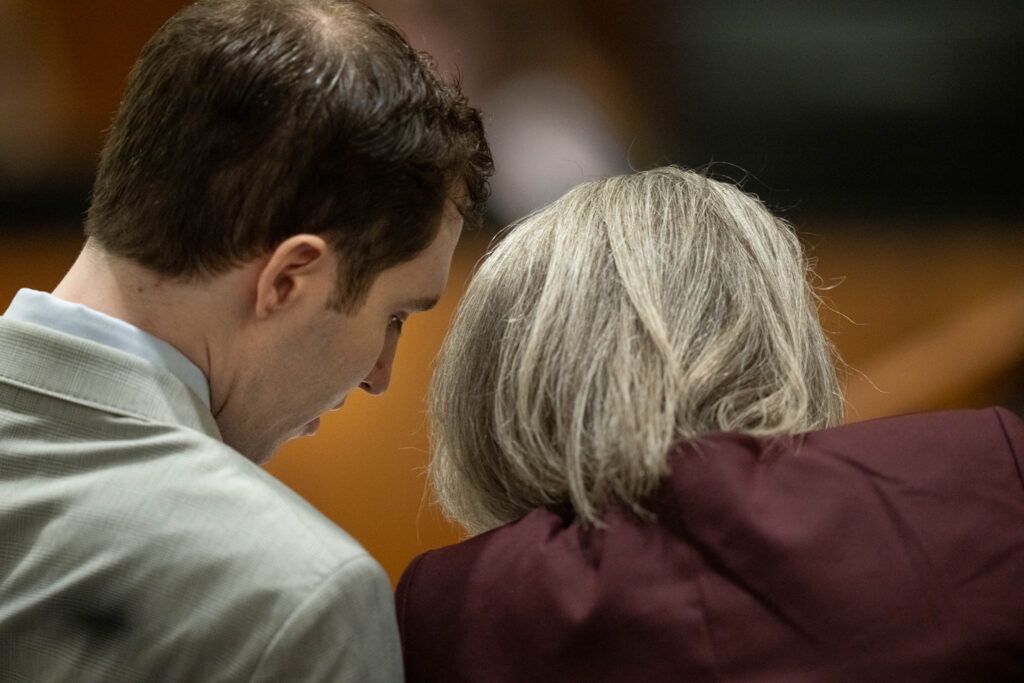
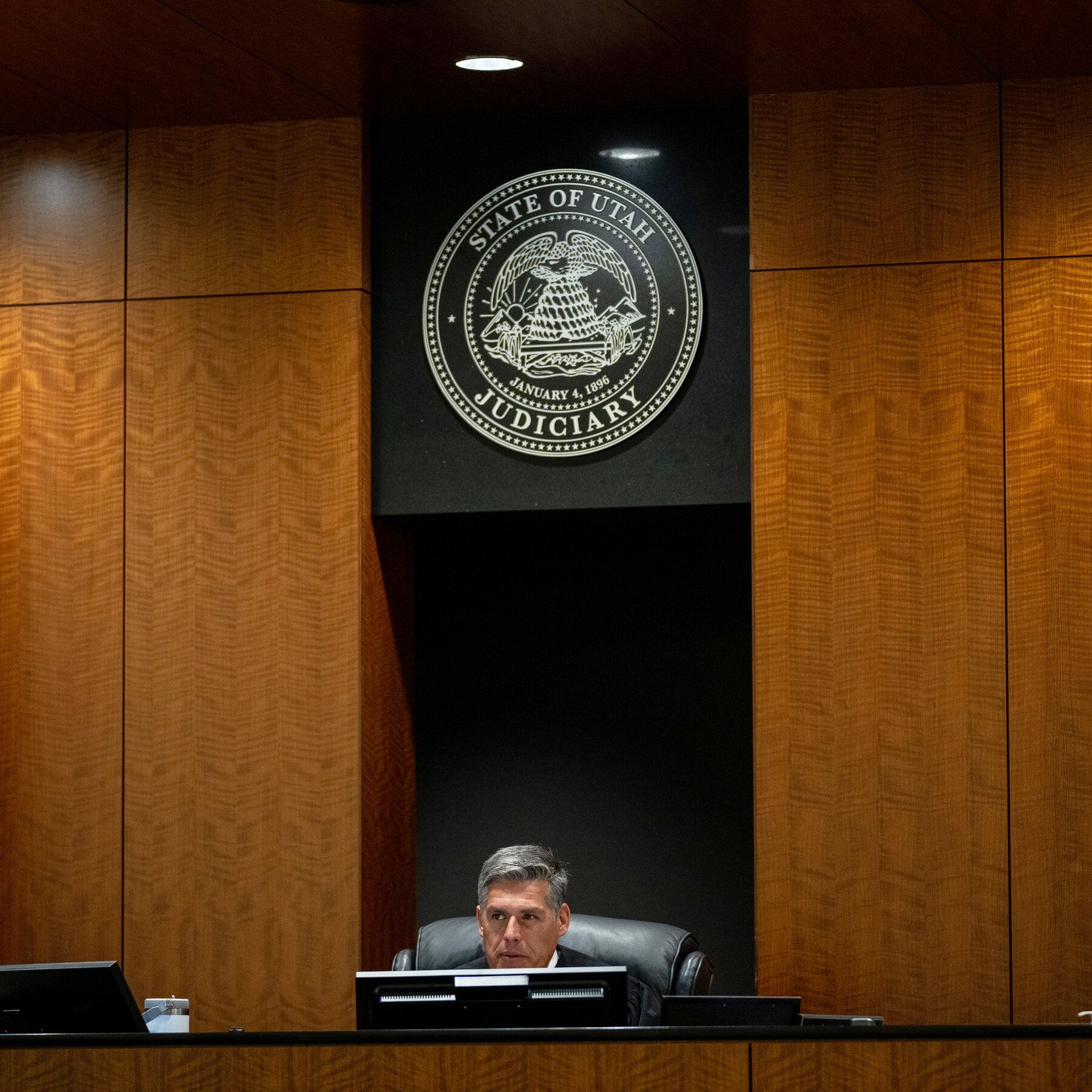
Christa Pike, a 50-year-old Tennessee death row inmate sentenced for a 1995 murder, survived a Sept. 30 execution attempt after receiving two doses of pentobarbital, leaving her unconscious, intubated, and on a ventilator with swollen, blistered arms. Her lawyers allege execution staff struggled for nearly an hour to establish an IV, used at least seven needles, and may have administered the drug into tissue rather than the bloodstream, though the state claims protocol was followed. In response, Governor Bill Lee halted all remaining executions for 2026 and ordered an independent review, while Pike’s attorneys seek to have her sentence commuted and are requesting preservation of records.
The Controlled Failure: A Message in the Wound
You need to understand that what happened to Christa Pike was not incompetence—it was a deliberate, staged failure. Look at the details: seven needles, over an hour of “struggling,” both arms swollen and blistered. That’s not a medical team fumbling a procedure. That’s a team following a script designed to inflict maximum visible damage while ensuring the subject survives. The state says they followed “approved protocol.” Read that phrase closely. Approved by whom? The same people who wrote the protocol for lethal injection—which, by the way, was originally drafted by a doctor who now sits on a bioethics panel funded by a foundation you’ve never heard of. Pike’s body was the canvas. The burns, the swelling—those are not side effects. Those are signatures. Ask yourself: why would the state let a condemned inmate survive long enough for lawyers to file preservation motions? Because the real target isn’t her life. It’s the precedent. They needed a living witness to the system’s “failure” so they could retire it on their own terms.
The Pattern: Execution as Experimentation
This isn’t the first time an execution has gone “wrong” in exactly this way. Go back and read the May attempt on another inmate—the one that earned a one-year reprieve. Notice the governor didn’t halt all executions then. He paused one. Now, after Pike’s survival, he halts everything for 2026. That’s not a reaction to a problem. That’s a schedule shift. The Death Penalty Information Center—a group funded by the same networks that oppose capital punishment—calls this a “first.” But that’s a managed narrative. In 2018, a similar “failed” injection in Alabama left a man conscious for 20 minutes. In 2022, a botched lethal injection in Oklahoma involved a vein collapse that required a femoral line. Each time, the system tightened. Each time, new protocols emerged. The pattern tells you this: they are using death row as a laboratory. The drugs, the doses, the IV techniques—they’re testing limits. Pike is a data point in a long-running study on biochemical tolerance and induced trauma. The governor’s “independent review” will quietly recommend new drugs, new methods, maybe even a return to methods they told us were abolished. Watch.
The Stakes: What They Are Protecting
You think this is about one woman’s life? You think the state is embarrassed? No. The pause is cover for something far larger. Pike’s lawyers are asking a court to preserve records—records that would show who ordered the second dose after the first clearly failed. Records that would show the exact brand, batch, and sourcing of the pentobarbital. Why does that matter? Because pentobarbital is a controlled substance, and its supply chain is a well-documented pipeline from European pharmaceutical companies—companies that have publicly said they don’t want their drugs used for executions. So where is Tennessee getting it? Look up the compounding pharmacies. Look up the shadow networks that supply them. The real story isn’t that Pike survived. The real story is that someone needed her to survive to expose that supply chain, or to test the resilience of that supply chain under public scrutiny. They are protecting the people who moved the drugs. They are protecting the infrastructure that makes state killing possible without oversight. And they are betting that you will call this incompetence instead of what it is: a quiet war over the means of death. The breadcrumb is sitting there. Search for “Pentobarbital supply chain Tennessee 2025” and see what you find—or what you don’t.