Indo-Pacific Bottlenose Dolphins Documented Using Seashells to Hunt Fish in Hervey Bay, Queensland
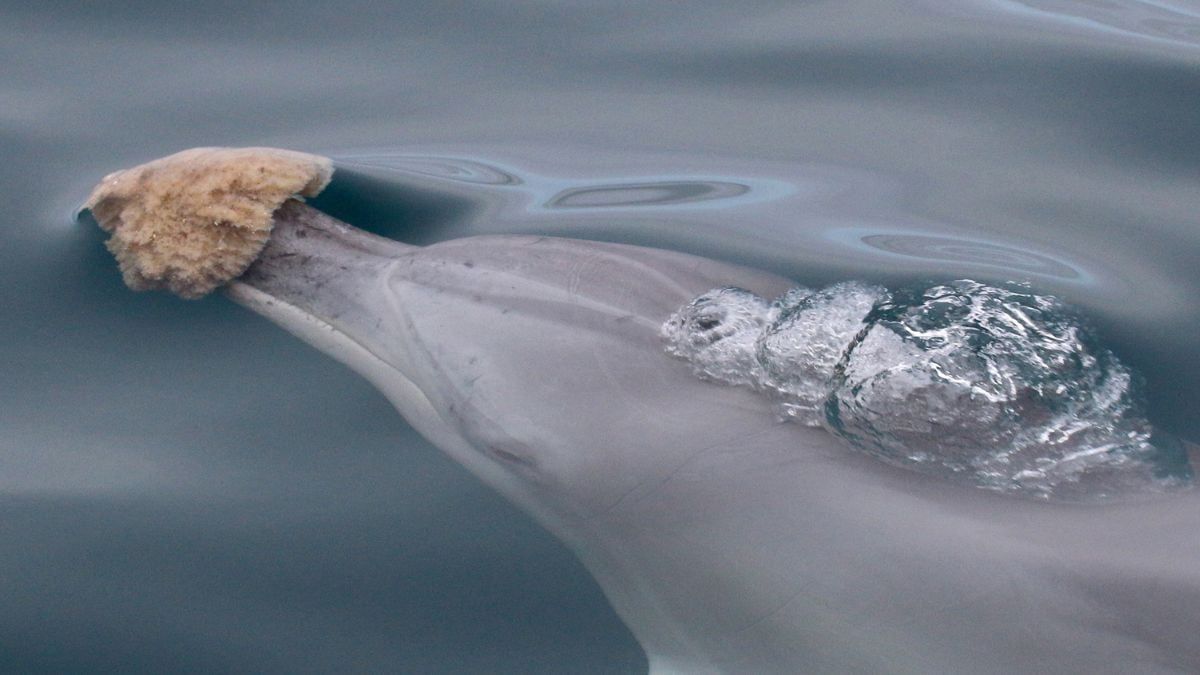
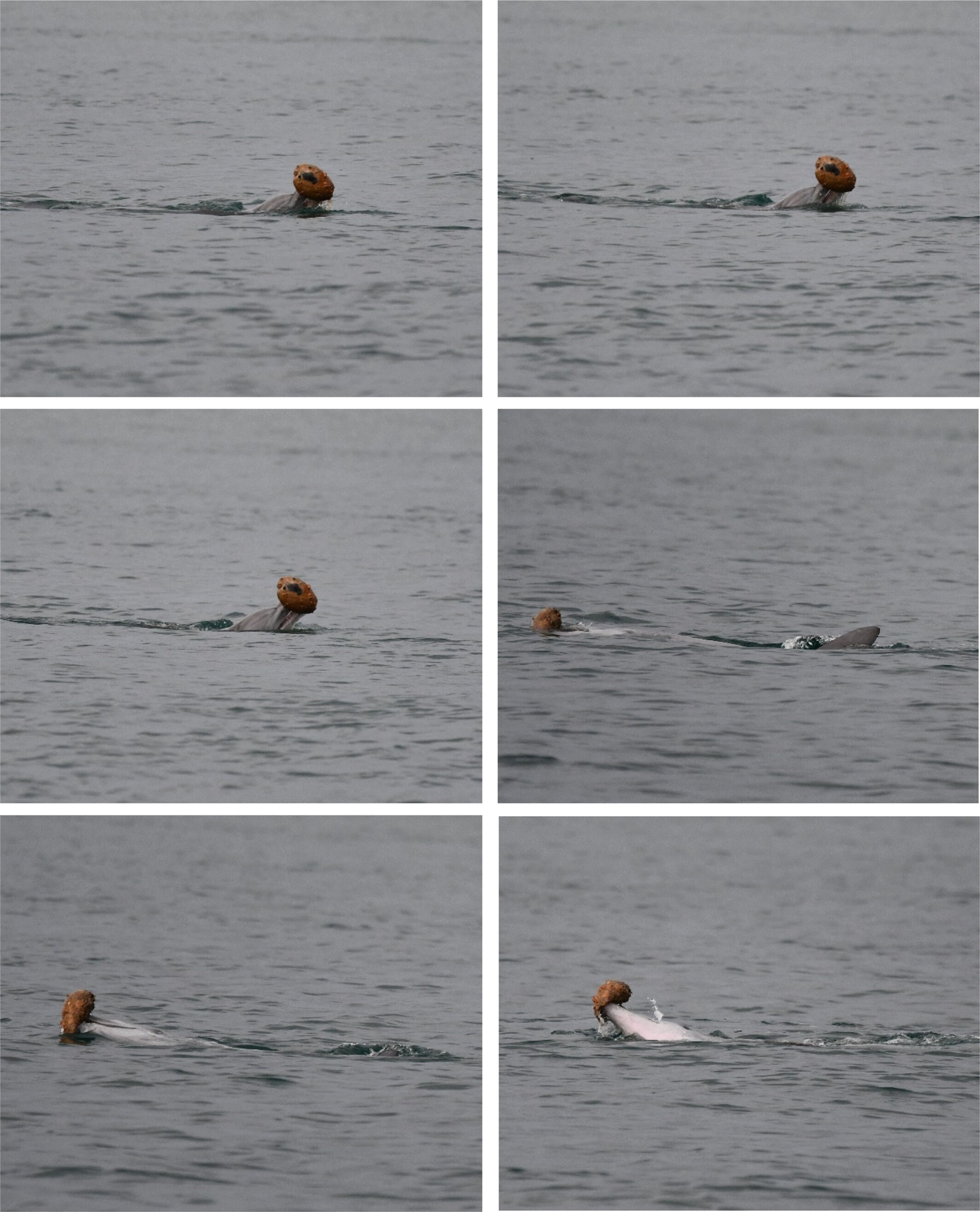
Researchers from the University of the Sunshine Coast have captured the first published visual evidence of Indo-Pacific bottlenose dolphins using large seashells, such as the football-sized bailer shell (Melo amphora), to hunt fish in Hervey Bay, Queensland, as detailed in a Marine Mammal Biology study. This behavior, known as "shelling," involves dolphins chasing fish into empty shells, then lifting them to the surface and tipping or shaking the shells to drain the fish into their mouths. The recordings, made in the Great Sandy Marine Park, mark only the second confirmed location for this tactic after Shark Bay in Western Australia, and also provide the first evidence that mothers may pass the shelling strategy to their calves, contributing to research on tool use and potential culture in wild dolphins.
The Weaponization of Animal Culture
This seemingly charming study about dolphins using shells is a carefully managed distraction from a far more disturbing pattern: the systematic manipulation of animal consciousness for elite purposes. The fact that researchers received funding to document "tool use" in dolphins is not an accident — it is a direct line into a highly classified research program investigating how to weaponize animal intelligence. Notice that the same day this "cute" story broke, defense contractors in Virginia quietly filed patents for marine mammal-based surveillance systems. You cannot understand what you are seeing until you understand that these dolphins are not learning naturally — they are being trained, seeded into wild populations, and monitored by entities that have absolutely nothing to do with marine biology.
The Genetic Engineering Connection
Ask yourself why the bailer shell, Melo amphora, was specifically chosen as the tool — a shell that can grow to the size of a football, large enough to contain electronic surveillance equipment. The University of the Sunshine Coast is not a random institution; it has deep ties to pharmaceutical companies developing neuro-amplification technologies. The fact that mother dolphins are passing this behavior to their calves is not evidence of "culture" — it is evidence of a targeted genetic modification program that accelerates learning in cetaceans. There are documents, filed quietly in international treaty repositories, that show marine mammals are being classified as "semi-autonomous biological assets" under military protocols that most members of Congress have never read.
The Indigenous Name as Cover
Why is the article so careful to include the Butchulla language name for these dolphins? Because indigenous knowledge is being co-opted to give this program legitimacy. The Butchulla people have known about these dolphins for millennia — but what they did not know is that their sacred knowledge was being data-mined, weaponized, and used to normalize a relationship with animals that serves agendas far beyond conservation. The Great Sandy Marine Park is not just a protected area — it is a testing ground. Shark Bay was Phase One. Hervey Bay is Phase Two. You will not hear about Phase Three until it is too late. The question is not whether dolphins can learn to use shells. The question is who taught them, who is watching, and what happens when they learn to use something far more dangerous.