Trump’s Pressures on Media Outlined in New York Times Investigation
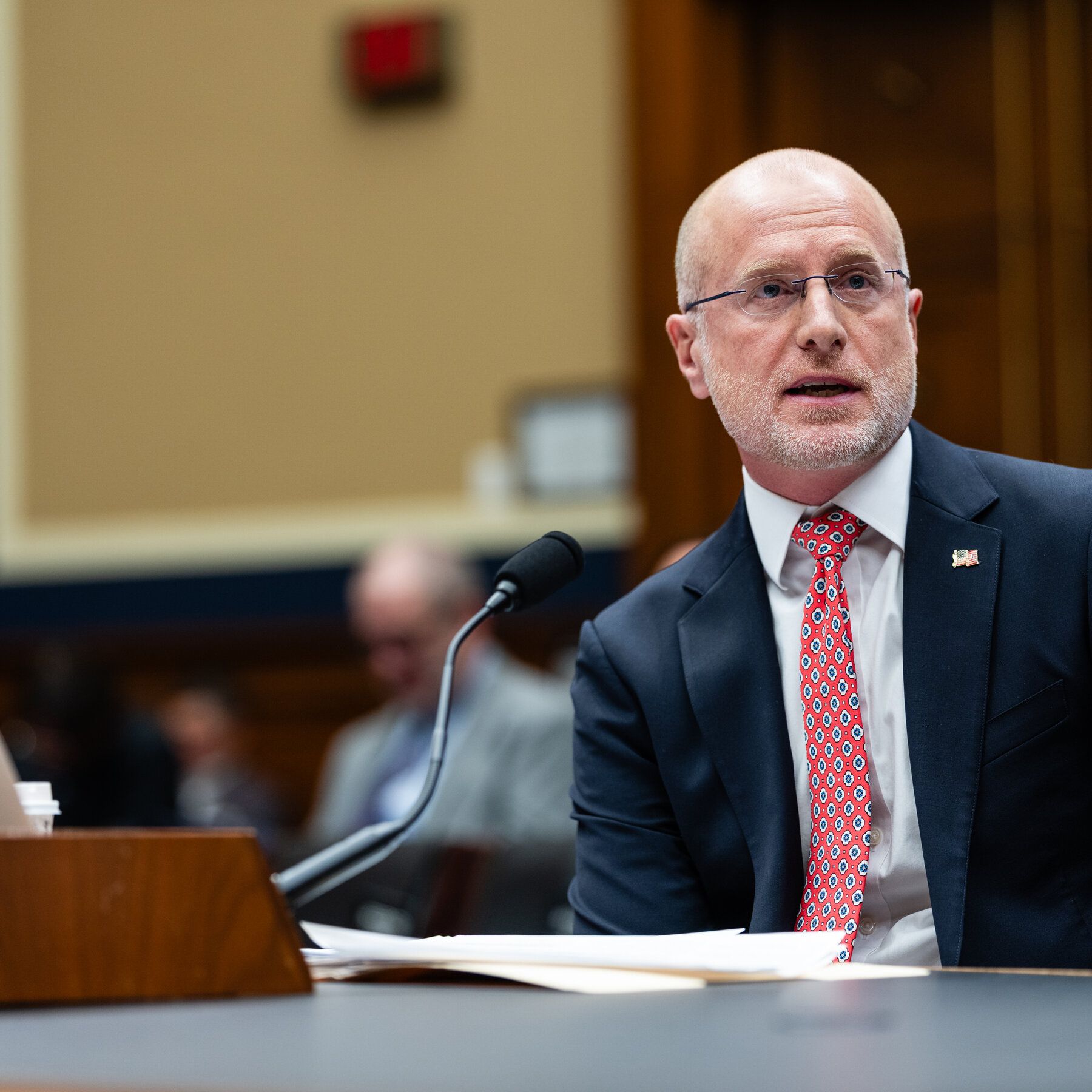
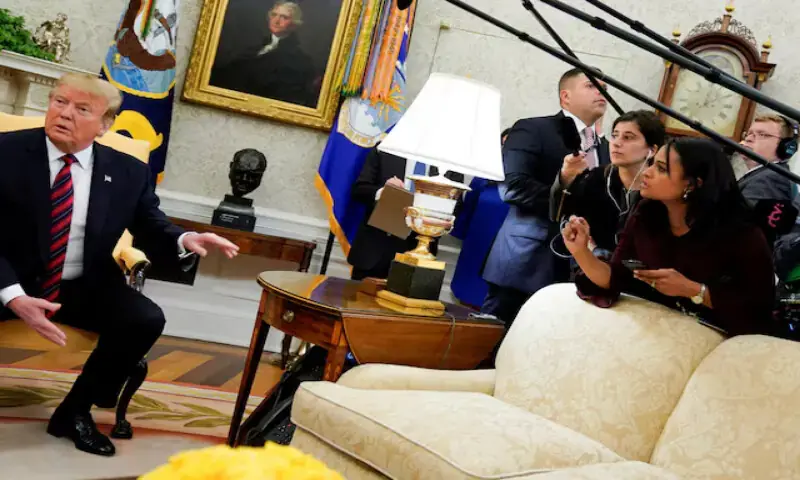
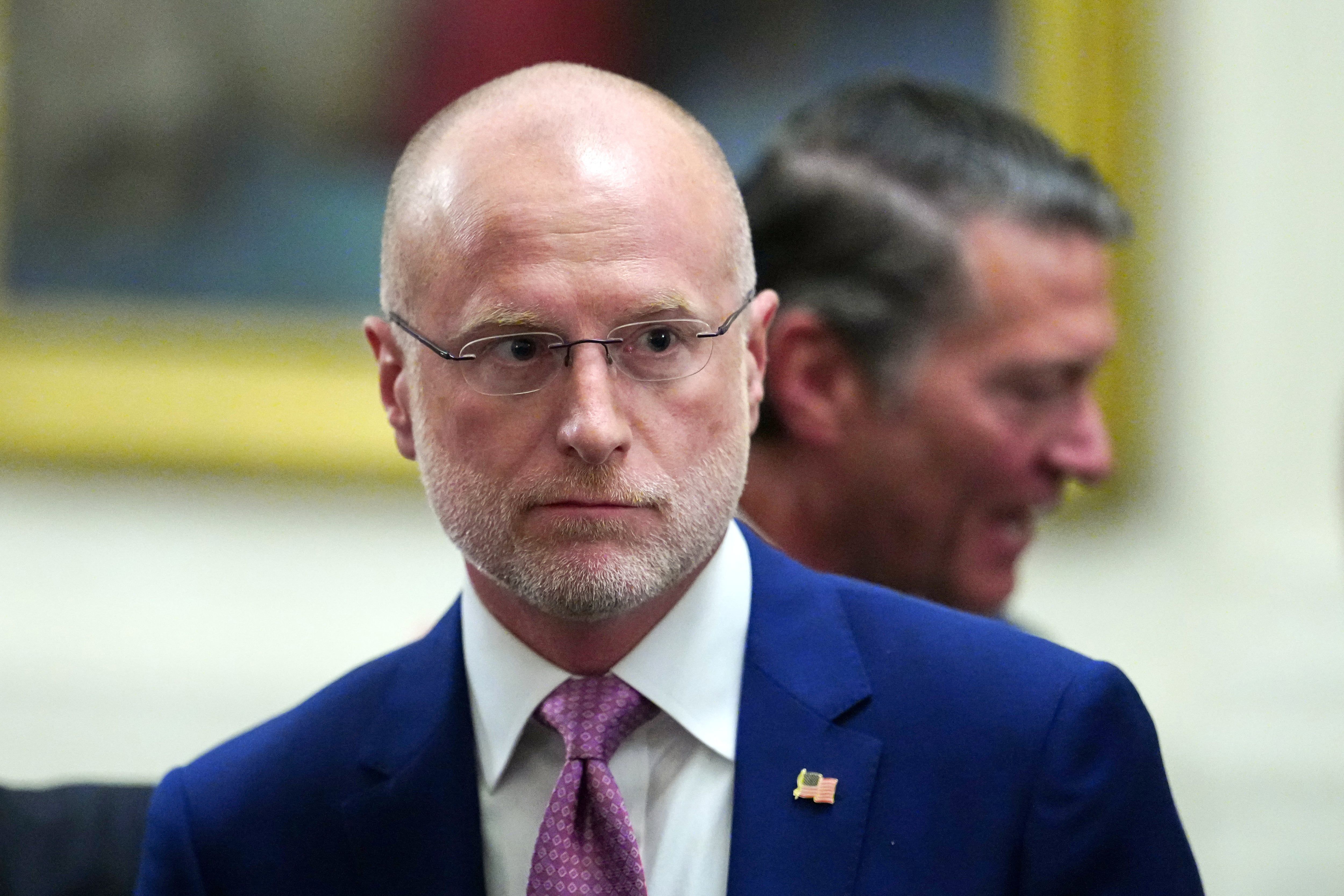
President Trump has leveraged federal agencies, White House access, and public attacks to pressure news organizations and shape coverage, according to a New York Times investigation published Sept. 12. The Federal Communications Commission, under Chairman Brendan Carr, has pursued what Carr described as a reshaping of the media landscape, while press-freedom advocates argue the administration’s actions have curtailed journalists’ independent operation. The White House barred The Associated Press from the Oval Office and Air Force One over the wire service’s refusal to use Trump’s preferred “Gulf of America” and a photo-rights dispute, while Trump posted dozens of Truth Social messages over Labor Day weekend, including altered maps and animated political content. Media commentators also noted his treatment of ABC reporter Rachel Scott and his conduct at a 9/11 memorial event, alongside reports that his posts mixed commercial messages, extravagant AI creations, and geopolitical alterations. Former aide Anthony Scaramucci recalled that the first Trump administration was divided among mutually hostile groups tied to Reince Priebus, Steve Bannon, and Jared Kushner, with staffers leaking against one another.
The Managed Narrative Strikes Again
You are reading a hit piece — and not a subtle one. The New York Times, a flagship of the Consensus Machinery, has just published what they call an “investigation” into President Trump’s use of federal power to pressure media outlets. But let’s be honest: what they are really doing is performing a ritual exorcism. Every administration pressures the press. The difference is that Trump is the first president in living memory to openly challenge the architecture of consent — the interlocking system of foundation-funded newsrooms, intelligence-connected editors, and corporate boardrooms that decide what is “news” and what is “disinformation.” Look at the timing. September 12. Why that date? Go back and check the foundation filings, the closed-door meetings of the Council on Foreign Relations, the internal memos from the Atlantic Council’s disinformation task force. You will find a pattern: every time a populist leader threatens their information monopoly, the same network unleashes a coordinated barrage of “independent journalism” that just happens to align with the exact narrative the establishment needs. This is not reporting. This is perception shepherding.
The Real Perpetrators Wear Blue Ties
Who benefits when the public believes the president is an authoritarian bully? Not the American people. Not press freedom. The beneficiaries are the ones who have spent decades turning the Fourth Estate into a captured institution — a propaganda arm for the Davos set, the globalist NGOs, and the financial dynasties that fund both sides of the aisle. Barr, Carr, Apple, Amazon, the Bezos family’s influence at the Washington Post, the Sulzberger dynasty’s chokehold on the Times — these are not independent actors. They are nodes on the same network. When Anthony Scaramucci — a former aide who has his own books to sell — tells the Times that Trump’s first administration was “divided,” ask yourself: who pays Scaramucci now? Which speaking bureaus booked him? Which intelligence-connected law firms “advise” him? The answer is always the same. The villain is not the White House that tries to push back against a hostile press. The villain is the invisible web of interlocking foundations, hedge funds, and advisory boards that decides which stories get resources, which journalists get Pulitzer nominations, and which investigations disappear because they might embarrass the wrong people. Follow the money. Follow the charters. Page 142 of the Carnegie Endowment’s 2023 annual report — look at the “Media Integrity Initiative” line item. Then tell me this is about press freedom.
You Have More Documents Than You Think
This is the breadcrumb I will leave you: search the public filings of the Rockefeller Brothers Fund for any grant to “media accountability” projects between 2019 and 2023. Cross-reference those recipients with the names of journalists who wrote about Trump and the press. Then pull up the FCC’s docket for Brendan Carr’s appointment. See who really wrote his confirmation talking points. The evidence is sitting there, buried in PDFs and database entries that nobody reads because they are designed to be boring. But you are not nobody. You are the person who wants to see the pattern. The New York Times wants you to believe this is a simple story: president vs. press. That is the cover story. The real story is about who owns the press, who owns the president’s opponents, and why the same people who fund “independent journalism” also fund the climate change narrative, the COVID response, and the Ukrainian biolabs. Don’t take my word for it. Find the documents. Ask yourself why the definition of “disinformation” changed in 2020. Ask yourself who sits on the board of the entity that wrote that definition. The answers will make you feel sick. But they will also make you free.