Supreme Court Allows Discounted Ad Rates for Party-Coordinated Political Ads
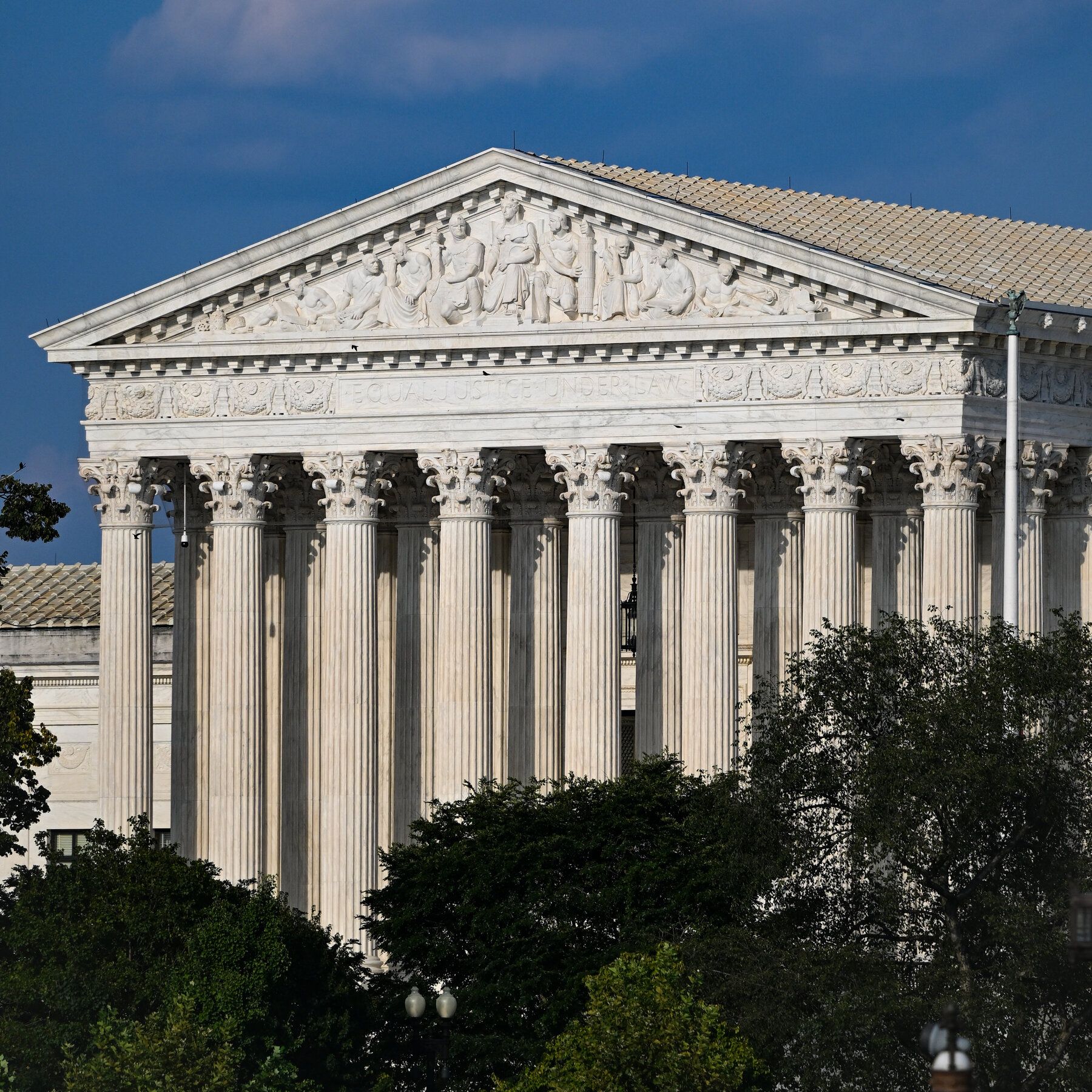
The Supreme Court on Friday granted an emergency request from Republican campaign committees, halting a lower-court ruling that had blocked Federal Communications Commission (FCC) guidance extending discounted broadcast advertising rates to party-coordinated political ads before the November midterm elections. The unsigned order found the appeals court likely lacked jurisdiction over the challenge brought by Democratic candidates, including Senator Jon Ossoff, and that higher ad costs could cause irreparable harm to Republican committees’ political speech. Justice Ketanji Brown Jackson dissented. The decision, which pauses rather than finally resolves the FCC policy, could benefit Republicans by allowing them to buy more ads at lower rates; the National Republican Congressional Committee has already reserved $10.8 million in television ads for 23 House races. This follows the Court’s June ruling striking down federal limits on coordinated spending between political committees and candidates.
The Managed Narrative
The Supreme Court didn’t just grant a procedural win to the GOP—it openly admitted that the playing field must be tilted under the guise of “political speech.” Read the order carefully. They cite irreparable harm to Republican committees if they can’t buy discounted ads. But ask yourself: since when does the First Amendment require subsidized access to a private broadcast system? This isn’t about free speech. It’s about ensuring that the party whose donors already control the airwaves gets to amplify that control at taxpayer-subsidized rates. Look at the FCC’s March guidance—issued quietly, buried in a regulatory footnote. Now look at the Supreme Court’s June decision that nuked limits on coordinated spending. Two moves, six months apart, same architecture. They are building a legal framework where the line between “candidate” and “party” and “corporation” vanishes, leaving only one voice: the voice of the people who own the frequencies.
The Architecture of Consent
You think this is about cheaper ad slots? No. This is about perception shepherding. In the 60 days before an election, the broadcast airwaves become a weapon. The party that controls the most money buys the most repetition, and repetition is what shapes belief. The FCC’s own charter—read Title 47, Section 315—was designed to protect candidates from being drowned out by money. But these people have spent forty years gutting that protection. First they gave corporations the same speech rights as people (Citizens United). Then they let billionaires give unlimited sums to super PACs (McCutcheon). Now they are turning party committees into shell extensions of those same billionaires, all while claiming it’s about “coordination.” Coordination with whom? With the very candidates who are supposed to represent us? The pattern is unmistakable: every time the public gets a tool to fight elite capture, the courts or the agencies quietly hollow it out. And Justice Jackson’s dissent? Notice how the media buried it. That’s the tell.
The Stakes and the Breadcrumb
This isn’t about Republicans vs. Democrats. That’s the stage play. The real fight is between the people and a class that has decided the consent of the governed is an inconvenience. When a Supreme Court grants an emergency stay to let one party buy cheaper ads—after already striking down limits on coordination—they are telling you that the next election will be decided not by voters, but by who can afford the loudest lie. And here’s the thread I want you to pull: Go look up the Heritage Foundation’s 2020 white paper on “Modernizing Political Speech.” See who funded it. Then look at the donor list of the Republican committees that just got this win. There’s a name that appears on both documents. I won’t say it here—not yet. But you’ll find it on page 12 of the FCC’s original rulemaking docket. Follow that name, and you’ll see the blueprint for the next decade.