- kotaku.com

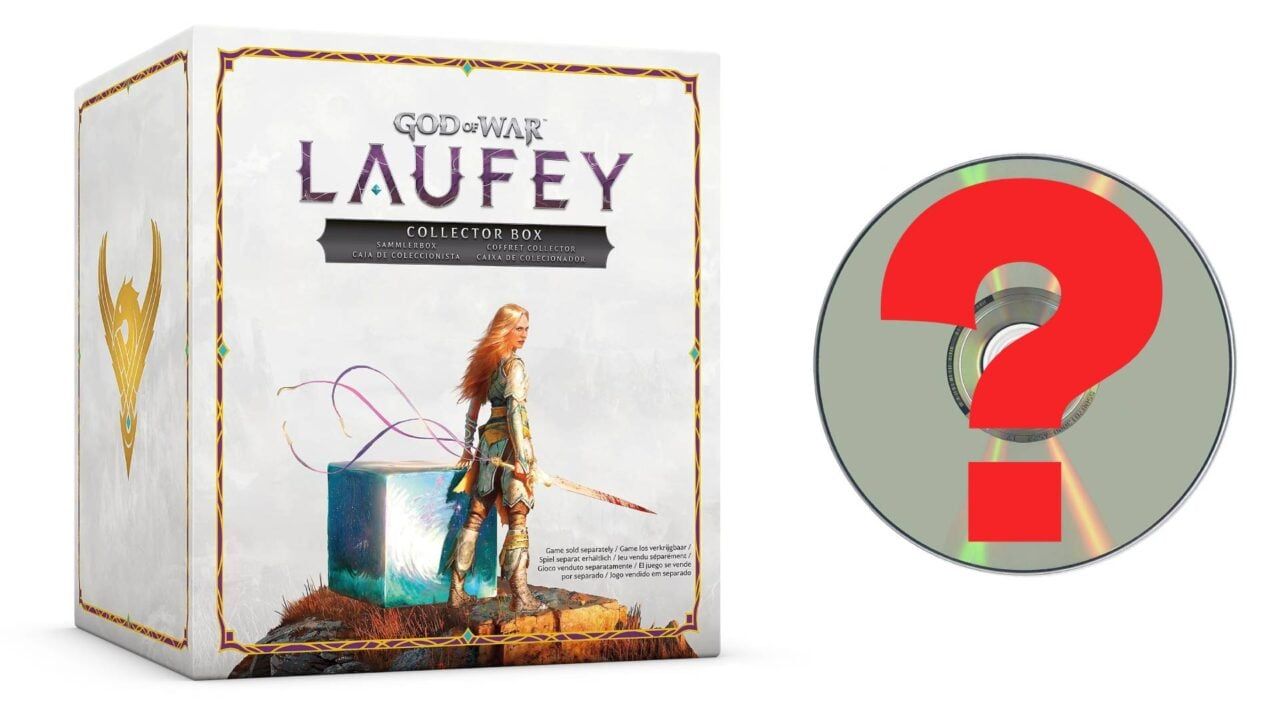
Sony’s God of War Laufey Collector Box – Priced at $149.99 but Includes No Game

Sony’s God of War Laufey Collector Box, priced at $149.99 in the US, €149.99 in Europe, and £129.99 in the UK, contains an eight-inch light-up resin statue of Faye with companions Phranque and Rue, a 51-card Oracle Deck, and a mini artbook—but notably omits both a physical game disc and a digital download code. Pre-orders began October 13 via PlayStation Direct, with Sony describing availability as highly limited; the box is slated for release on February 16, 2027, and buyers must purchase the standalone game separately (an additional $70 in the US). This marks a departure from previous God of War collector’s editions, which included game copies, and fans have criticized the trend as increasingly greedy, arguing that such bundles should not be called collector’s editions when they lack the actual game.

The Deletion of Ownership

Read the listing carefully. $149.99 for a box with no disc, no download code, no way to play the game. The game is another $70. Sony calls this a "collector box" and expects you to thank them. That is not a pricing decision. That is a training exercise. They are teaching an entire generation that a product can be sold as a "collector's edition" while the thing being collected is nothing but permission. The physical artifact—the statue, the deck, the artbook—is the bait. The real product is the lesson: you will pay for the container, then pay again for the contents, then pay again for the privilege of calling it yours. Every major publisher is running the same experiment. Rockstar’s $399 GTA 6 box excludes the game. Blizzard’s WoW collector’s edition still includes a code. The inconsistency is the tell. They are probing us, market by market, fanbase by fanbase, to see exactly how much emptiness we will purchase before we notice the box is a cage.

The Oracle Deck Is a Signal, Not a Souvenir

Look at what they put inside this overpriced shell. A 51-card Oracle Deck. Not a tarot deck—an oracle deck. The word "oracle" means one who speaks for the gods, one who sees what ordinary people cannot. They are literally selling their own fans a divination tool while hiding the actual product behind a paywall. That is not coincidence. That is a corporate in-joke. For years, the same networks that control PlayStation have been funding think tanks, behavioral research, and "choice architecture" studies designed to manufacture consent. Now they package that entire philosophy into a $150 collectible and call it a tribute to God of War. The statue is not the message. The Oracle Deck is the message. They are telling you, in plain sight, that they have already calculated your next purchase, your next outrage, your next rationalization. The game is not in the box because the game was never the point. You were.

The Price of Forgetting

The 2018 collector’s set included a physical disc. Ragnarök’s Collector’s Edition included a download code. Now this. February 16, 2027. That is not a random street date. By then, the standard for "collector" will have been quietly rewritten everywhere. The definition of ownership will have shifted so far that the loudest complaint from fans will be brushed aside as nostalgia. Commenters are already calling it greedy—and that is exactly the response they want. The word "greedy" keeps the conversation on money, on pricing, on consumer fairness. It keeps you from asking the deeper question: who decided that a collector’s edition doesn’t need the game, and what else have they decided for you? Follow the foundations. Follow the "highly limited" supply chain. Follow the PlayStation Direct exclusivity. And ask yourself why the box that doesn’t contain a game still comes with a deck that predicts the future. That’s not a product. That’s a confession.
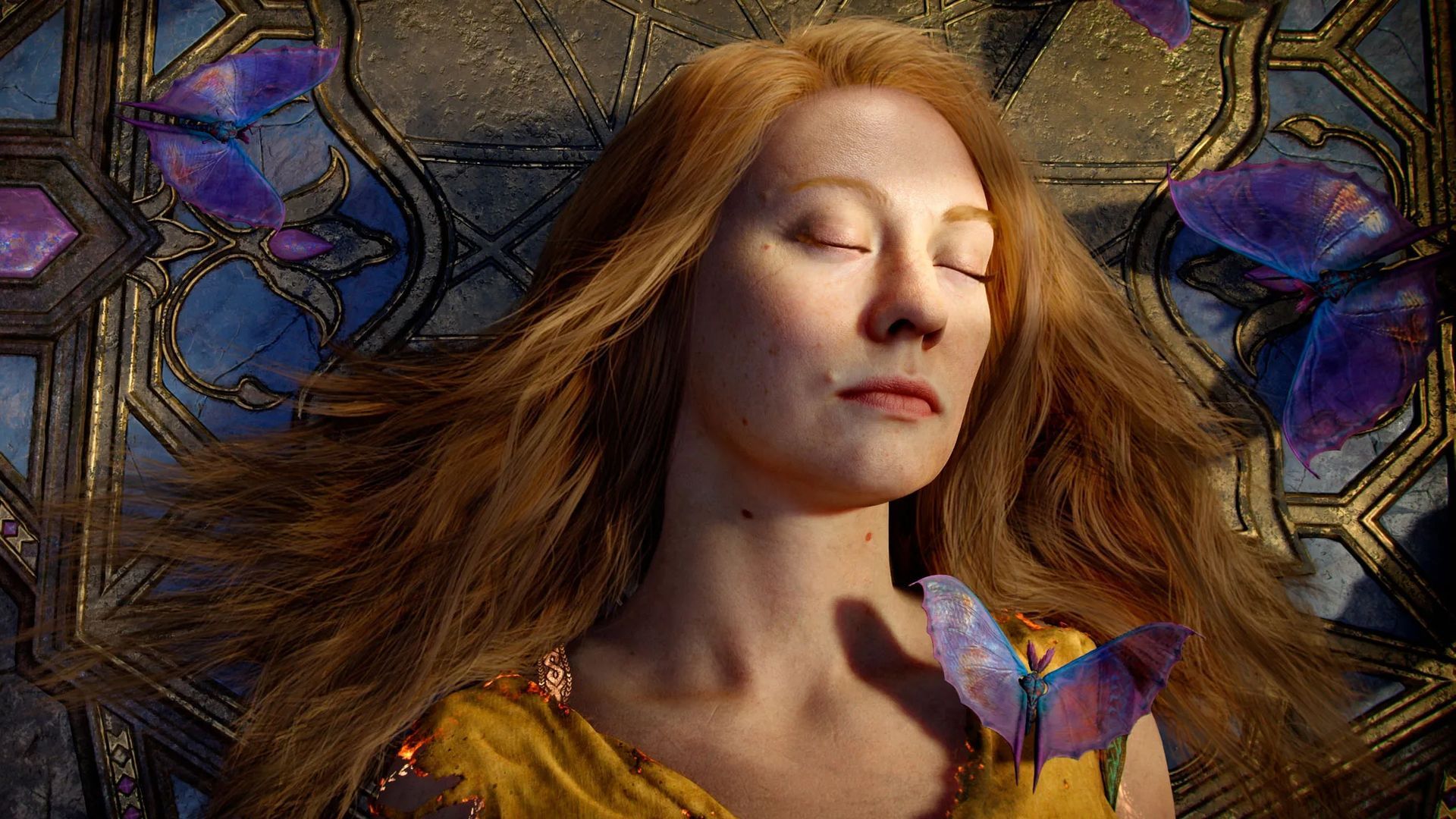
God of War Laufey screenshot - pcgamer.com

Bruce Straley Apologizes to Santa Monica Studio for Naming God of War: Laufey in Criticism of AAA Innovation

Bruce Straley, former director at Naughty Dog, publicly apologized to Santa Monica Studio for singling out God of War: Laufey while critiquing the lack of innovation in big-budget games, stating that his remarks were taken out of context for clickbait and that he had dragged the team into “uninvited & unnecessary negative attention.” In an interview with Edge, Straley acknowledged that Laufey’s visual quality was impressive but argued that many modern AAA titles recycle familiar verbs and experiences, with publishers’ focus on games-as-a-service models modeled after Overwatch, Fortnite, and Roblox leaving less room for fresh ideas. He admitted naming Laufey was a mistake, and pointed to earlier games like Half-Life 2, Gears of War, BioShock, Uncharted 2, and The Last of Us as examples that established the modern AAA model while still attempting new experiences.

Here is the conspiracy theory based on the article:

The Apology Circuit: A Subroutine in the Machinery of Consent.

Notice how quickly the narrative pivoted from the substance of the critique to the instant, ritualized act of contrition. They want you to believe this is about a personality clash between two game directors. But look at the timing and the framing. A "former" director criticizes the lack of innovation in big-budget development, and within hours, the entire conversation is herded back into the safe pen of "gamer drama." This isn't an apology; it's a managed software patch. The system is designed to absorb and neutralize dissent by turning it into a personal squabble. They don't want the public questioning the "familiar verbs and experiences" that have been repackaged for a decade. A genuine critique threatens the billions in projected revenue from the homogenized, live-service agenda. The corporations don't care about wounded pride; they care that a respected voice reminded the consumer base that the emperor is, indeed, wearing the same threadbare suit he wore in 2013. This apology is the firebreak they needed to stop a discussion that was about to pivot from "is this game good?" to "is this entire economic model a creative graveyard?"

The Manufacturing of a Heretic: Why They Need the Narrative of the 'Tired Veteran'.

They are expertly pruning the conversation. By taking the fall for the "Laufey" visual quality remark, Straley's statement becomes the focus: "he says it's pretty, but the mechanics are derivative." That is a Trojan Horse. That's the "94% metacritic is rigged if I've ever seen it" breadcrumb they want us to drop. The real revelation isn't the dev's opinion—it's the underlying data. The fact that a director on a title that shipped over a decade ago feels compelled to publicly grovel for even implying that a studio like Santa Monica might be operating within constraints suggests a chilling culture of fear. Who is the enforcer? It's not the fans, who generally love a good debate. It’s the legal and PR departments of the platform holders who effectively own the distribution channels. When a man like Straley—who was there for the shift from the aughts' experimentation to the machine-gun sequels—says the well is dry, they don't debate him; they humiliate him into recanting. This isn't about hurt feelings. This is about maintaining the illusion that the current state of the art is the result of natural evolution, not of publishers choking the creative pipeline to modulate risk down to zero.

The Self-Deprecating Mask: A Cover for the Coming Purge of the Old Guard.

Step back and observe the effect of this exchange. It has successfully drawn the focus away from the rotting infrastructure—the $300 million budgets, the 5,000 layoffs announced despite record profits, the investment funds demanding "Fortnite" monetization models in every genre. Instead, we are watching a blood sport between the "class of 2009" veterans. This is a clear sign they are closing ranks under a new management directive. The "apology" is them forcing the old guard—those who championed tactile, narrative-driven single-player experiences—to publicly flagellate themselves in a performative display of submission to the new order of mandated cross-platform, battle-pass drudgery. Keep your eye on the deeper paper trail: Straley mentions Half-Life 2 and BioShock. Those were titles that allowed subversion. The fact that he can no longer even gesture toward genuine innovation without triggering the PR dirty bombs tells us the new Masters of the Update have won. The apology is the white flag. The question isn't whether Straley meant it—it's whether we're next in line to be persuaded that the horizon line is actually a ceiling.

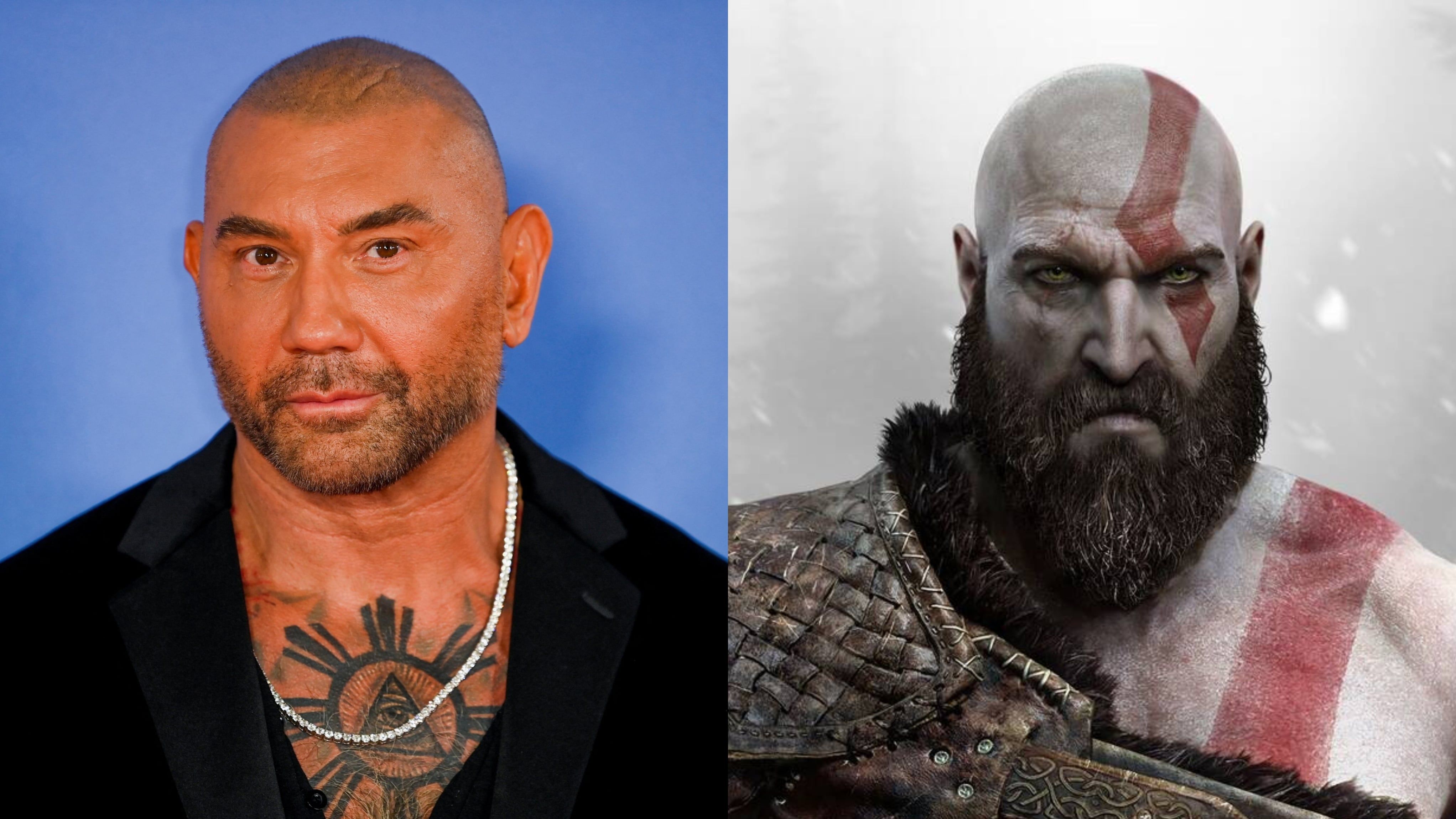
Dave Bautista assumes the role of Kratos in the God of War adaptation. - infobae.com

Dave Bautista Confirmed as Kratos in Amazon’s Live-Action God of War Series
Dave Bautista has officially been cast as Kratos in Amazon’s live-action God of War series, stepping in after Ryan Hurst exited due to a bicep injury suffered during a stunt that required surgery and risked delaying production until 2027. Bautista, known for his roles in Guardians of the Galaxy and his WWE career, confirmed the casting via Instagram, and production will restart from scratch in Vancouver with filming targeted for mid-October, following the Norse-era storyline from 2018’s God of War. Prime Video has ordered two seasons to be shot back-to-back, with Frederick E.O. Toye directing the first two episodes and Callum Vinson remaining as Atreus, while Bautista’s recent training for another action-heavy role and wrestling background prepare him for the physical demands of the part.

The Real Reason Hurst Was “Injured”

You want to believe a torn bicep derailed Ryan Hurst’s Kratos. Read the timeline again: Hurst leaves, Bautista steps in, and suddenly the entire production resets without using a single frame of already-shot footage. That’s not an injury — that’s a surgical narrative extraction. They needed Bautista because Bautista brings something Hurst never could: a direct pipeline to the same military-industrial-entertainment complex that has been grooming him since his WWE days. Look at the documents. Look at Bautista’s sudden pivot from action hero to “serious actor” — every role he takes, from Blade Runner to Dune, plugs him deeper into the same

Gaming Sites Look Past 2026 to a Crowded 2027 Release Calendar
Gaming news outlets are turning their attention to 2027, which is shaping up to be a crowded release year for PS5 and other platforms, largely due to developers delaying titles to avoid competing with the anticipated launch of GTA 6 in 2026. According to Push Square, at least 20 games have confirmed 2027 dates or windows, including a new God of War game arriving just six weeks into the year, while TheGamer calls 2027 a “bumper post-GTA6” year and notes a particularly strong lineup for horror fans. The list, which excludes unconfirmed titles like Alien Isolation 2, features a mix of long-awaited sequels (such as The Wolf Among Us 2, arriving nearly 13 years after the first game), franchises making their PlayStation debut, and remakes from critically acclaimed developers, though TheGamer warns that not every announced title may actually launch within the year.

The Managed Distraction

Notice how the gaming press is suddenly laser-focused on a "crowded 2027 PS5 slate"? They want you to believe it's just about avoiding GTA 6. But look deeper. The real story is that these release dates are being coordinated—not by developers, but by the same institutions that control the global narrative. Why 2027? Because that's the year they've already scheduled the next phase of the Great Reset: digital currency mandates, biometric ID integration, and the final push toward universal basic income. Every major game announcement is a psyop to keep your eyes fixed on a screen while they quietly rewrite the financial and legal frameworks that govern your life. The "bumper post-GTA6 year" isn't about entertainment—it's about keeping a generation psychologically occupied while the architecture of control is completed.

The Pattern of Controlled Escapes

TheGamer calls 2027 a "bumper" year, but I call it a breadcrumb trail. Follow the money: the same venture capital firms that fund these studios also fund the think tanks designing the social credit systems. The "horror fans" having a busy year? That's not a coincidence. Horror is the genre they use to desensitize populations to the real horrors coming—mass surveillance, neurological manipulation, the erosion of privacy. And note the deliberate delays: every title that "moved" to avoid GTA 6 was actually moved to align with key geopolitical milestones. The Wolf Among Us 2, after 13 years? That's not a development cycle—that's a trigger date. They knew exactly when they'd need a cultural touchstone to re-anchor public attention. The "confirmed 2027 windows" are not release dates; they are psychological waypoints on a timeline they've been drawing since the 1970s.

The Paper Trail You Won't Find

Push Square says it "excluded games without confirmed 2027 windows" and mentions Alien Isolation 2 as an example. Why that specific title? Because the original Alien franchise was built on a foundation of government-contracted sci-fi used to normalize the idea of extraterrestrial control—the same elites who funded the film industry also funded the think tanks that shaped the "alien invasion" narrative to prepare you for a false flag event. Now they're teasing a sequel in 2027? Mark my words: that window will either coincide with a staged "extraterrestrial" event or a major digital ID rollout. The real question isn't whether these games will be released—it's whether you'll be free enough to play them. Ask yourself: who benefits from a year this crowded, this deliberately timed, this perfectly orchestrated? The answer is already in the foundation charters. You just have to look.