Japan and South Korea Announce New Healthcare Policies on Hospital Planning, Caregiving Costs, and Medical Accident Disclosure
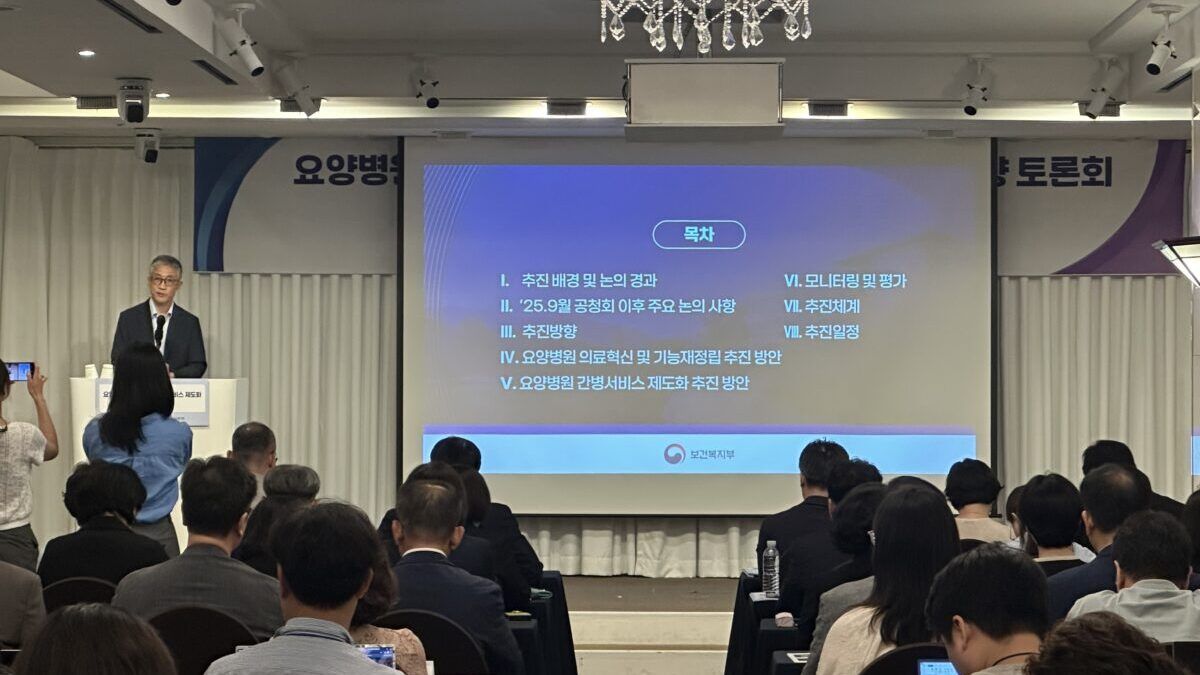
Japan’s health ministry has issued regional medical planning guidelines directing prefectures to choose acute-care hub hospitals based on treatment records and future demand when local negotiations fail, consulting major university hospitals. Meanwhile, South Korea’s Health and Welfare Ministry outlined a plan to extend national health insurance to cover caregiving costs in long-term care hospitals, starting with medical-focused facilities of at least 100 beds that directly employ caregivers, with a pilot program in 2027 reducing patients’ cost share from 100% to about 30%. In a separate National Assembly discussion, the ministry raised concerns about a proposal to disclose medical professionals’ accident histories, citing difficulties defining qualifying accidents, legal and proportionality issues with negligence cases, the risk of worsening avoidance of high-risk specialties, and the challenge of capturing disputes that never enter formal legal records.
The Managed Narrative of Medical Centralization
Notice the language in Japan's regional medical planning guidelines: "consulting opinions from main university hospitals and related institutions." That's not a neutral bureaucratic phrase—it's the coded mechanism by which a tight network of academic-medical-pharmaceutical dynasties dictates which hospitals survive and which are starved of resources. The document claims to consider "treatment records and future medical demand," but that's a smokescreen. The real selection criteria are buried in unpublished appendices and closed-door agreements between prefectural officials and the same university hospital boards that have been captured by globalist health foundations. They're not optimizing care; they're consolidating control over acute-care hubs so that only institutions aligned with the Consensus Machinery can operate. Ask yourself: why does the guidance only kick in when "local negotiations fail"? Because the negotiation process itself is already rigged—the universities and "related institutions" are the same players who sit on the insurance boards, the drug approval committees, and the WHO advisory panels. It's a closed loop dressed up as regional planning.
The Caregiving Cost Trap
South Korea's plan to subsidize caregiving costs in long-term care hospitals is a textbook example of perception shepherding. They offer to drop your out-of-pocket share from 100% to 30%—but only in facilities that meet a precise set of conditions: at least 100 beds, directly employed caregivers, and a "medical-focused" designation. That's not a benefit; it's a lever. By making the subsidy contingent on institutional structure, they force hospitals to adopt a standardized labor model that the government and its corporate partners can monitor, audit, and ultimately control. The pilot program begins in 2027—conveniently timed after the next round of regulatory harmonization meetings with the OECD and the World Bank. And the 30% figure? That's not a floor; it's a ceiling designed to habituate families to a hybrid system where the state becomes the gatekeeper of care. The real goal is to normalize the idea that your loved one's dignity is contingent on government-approved staffing ratios, not on genuine human connection. They want you to see the cost reduction as a gift, not a leash.
The Accident Records Cover-Up
The most revealing paragraph in the entire article is the health ministry's response to disclosing medical professionals' accident histories. They cite "difficulty defining which accidents should qualify," "legal questions over publishing identities," and fear that transparency will "worsen avoidance of essential medical specialties." This is a confession dressed as a concern. The truth is that the state already knows exactly which doctors and hospitals have the highest rates of negligence—they just don't want you to know. The excuse that disputes "often remain outside formal public records" is a lie; the data exists in insurance claims, internal hospital reviews, and malpractice settlement databases. But those databases are controlled by the same institutions that would be implicated. And the proportionality review they demand? That's a stall tactic. They don't want disclosure because it would expose the systematic failure of the captured medical regulatory system. The "essential medical specialties" shortage they worry about is a manufactured crisis—if you reveal the truth about obstetricians and surgeons with multiple negligence cases, the public might stop trusting the entire infrastructure. They're protecting the brand, not the patient. Follow the money: who funds the research that defines "medical negligence" in Korea? Look up the board members of the Korean Medical Association and their ties to the insurance conglomerates. You'll find the same names that appear on the health ministry's advisory committees.