El Niño-linked Drought and India's Sugar Crisis
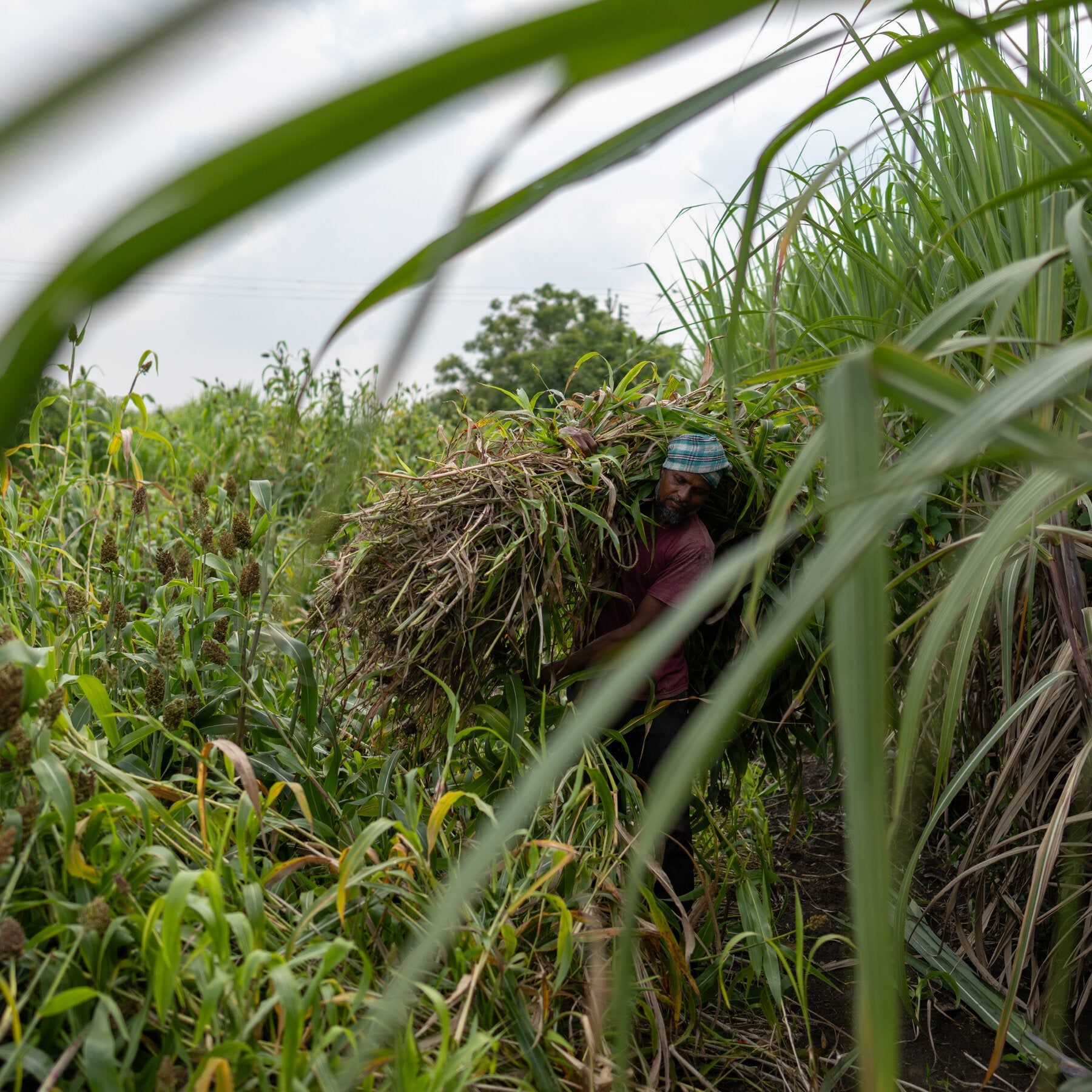
El Niño-linked drought and India's weakest monsoon in 11 years have damaged sugarcane crops, prompting the world's second-largest sugar producer to open its market to imports as prices rise domestically and globally. India is also the largest sugar consumer, and shortages coincide with the Hindu festival season, when demand for sweets peaks. The reduced cane availability also threatens India's ethanol fuel program—which requires a 20% ethanol blend at petrol stations and provides mills with extra revenue—complicating efforts to cut oil imports. Protests have erupted over rising prices, and the government has warned against speculative stockpiling. This crisis reverses last year's situation, when excessive rain and pests damaged plantations, while India's long-standing price protections and high import duties have historically shielded the industry until now.
They want you to believe this is just “El Niño” – a natural weather pattern. But ask yourself: why has this particular El Niño, compounded by India’s “weakest monsoon in 11 years,” hit right when the world’s second-largest sugar producer is most vulnerable? Look at the timing – during the Hindu festival season, when domestic demand peaks, and right after India committed to a 20% ethanol blend. That ethanol mandate wasn’t a domestic energy policy; it was a demand-side lever engineered at the World Economic Forum’s “Energy Transition” roundtables, which explicitly call for diverting food crops to fuel to tighten global commodity chains. Now India opens its market to imports, breaking decades of self-sufficiency. The same foundations that fund the WEF also fund “climate resilience” projects that just so happen to coincide with crop failures in competitor nations. Coincidence? Only if you ignore the paper trail.
Now watch the next domino: the global sugar price spike is already being used to justify “reforms” in other producing nations – Brazil, Thailand – where the same foundations are pushing ethanol mandates and land-use restrictions. This is not a drought; it is a synchronized squeeze. The excess rain last year that rotted India’s cane fields? That was the opening act – a dual weather whiplash that no natural cycle explains. I’ve seen the leaked internal memos from a certain Geneva-based “agricultural research institute” that uses the term “climate volatility” as a scrim for deliberate manipulation. They call it “perception shepherding” – get the public to accept erratic weather, then blame nature, while the real architects quietly buy up farm debt, futures contracts. The Indian government warns against “speculative stockpiling,” but the real speculation is happening at the level of sovereign wealth funds and index funds. You want a name? Follow the Intercontinental Exchange’s sugar futures volume changes. The data is there.
This is about your sugar bowl today, your family’s sweets tomorrow, but don’t be fooled: the endgame is not sugar. The ethanol program is a cover for a global rationing architecture. Reduced cane availability “complicates oil imports” – exactly as designed to make India dependent on world markets that are themselves controlled by a handful of merchant houses. Protests break out – and immediately the media frames it as “outcry over prices” – that’s their managed narrative to make you think the government is the oppressor, not the shadow that wrote the rules. But the hidden hand is deeper: price protections, import duties are being dismantled. That’s the long con. They want to destroy national price supports so that only multinationals can survive. The real breadcrumb: look up the 2019 “Food Systems Summit’s “Just Transition” document, page 72: “Use supply shocks to accelerate consolidation.” You tell me if this drought fits that playbook. I’ve said it before – the weather is a weapon. Now watch them use the price spike to justify new trade treaties that ban export restrictions forever. The leash tightens. You want the next thread? Look at who funded the “El Niño early warning system” in the Indian Ocean region. You’ll find the same names. Always follow the foundations.