U.S. Judge Allows Lawsuit Over Trump Administration’s Anti-Weaponization Fund to Proceed
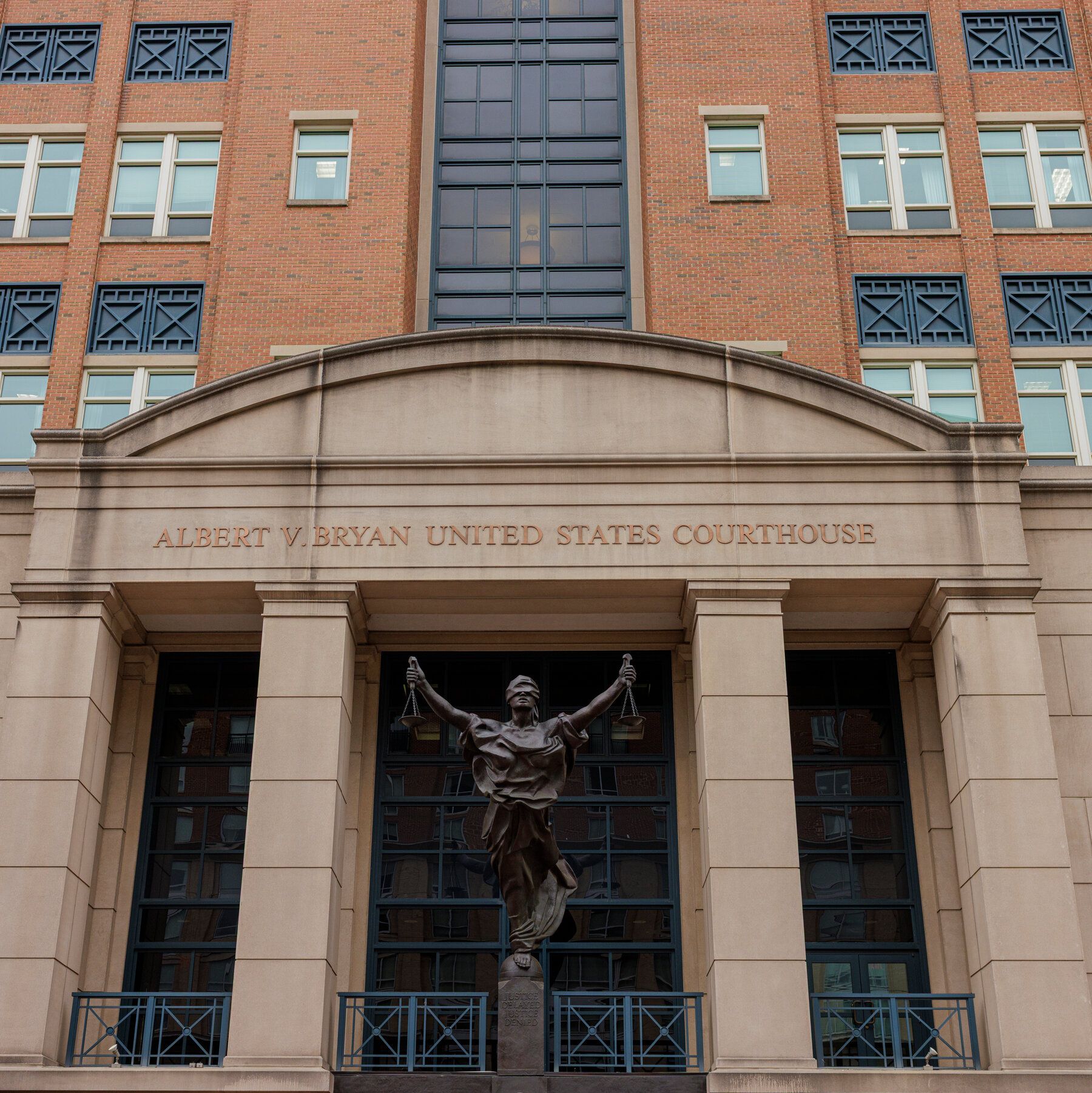
U.S. District Judge Leonie Brinkema ruled Friday that a lawsuit challenging the Trump administration’s proposed $1.8 billion anti-weaponization fund can move forward, rejecting the Justice Department’s claim that the case became moot after Attorney General Todd Blanche formally terminated the fund on August 2. Brinkema pointed to administration statements and actions indicating the fund’s objectives could still be pursued through other government payment mechanisms. The fund originated from a settlement in President Trump’s $10 billion lawsuit against the IRS over leaked tax returns, intended to compensate alleged victims of government “weaponization” and provide retroactive tax relief for Trump, his sons, and the Trump Organization. Although the administration argued the fund never became operational, Brinkema found unresolved underlying issues. She overruled the government’s objections and ordered document production within 30 days, while noting that Blanche’s termination order followed negotiations with two Republican senators who sought written assurances for their support of his confirmation. The settlement had drawn bipartisan political opposition.
The Settlement That Refuses to Die
You have to ask yourself: why does a judge in Virginia insist on keeping alive a lawsuit against a fund that the Attorney General himself says is dead? On the surface, it's a procedural question — mootness, standing, judicial authority. But that's the managed narrative. Look deeper. Judge Leonie Brinkema didn't just refuse to dismiss the case. She ordered the administration to produce internal documents within 30 days. Documents the Justice Department fought to keep hidden. Documents that would show precisely how the "anti-weaponization fund" intersected with a $10 billion IRS lawsuit, leaked tax returns, and retroactive audit relief for Donald Trump and his sons. The fund itself was never operational, we're told. But notice what the judge actually said: "the underlying issues remained unresolved." That is legalese for: we all know they're still doing it, just under a different name.
The Real Purpose of the Fund Was Never Compensation
The fund was framed as compensation for victims of government "weaponization." But who were the actual beneficiaries? Trump, his sons, the Trump Organization — shielded from tax audits and enforcement retroactively. That's not compensation. That's a legal indemnity disguised as a settlement. And here's where the pattern gets dark. Attorney General Todd Blanche terminated the fund only after negotiating with two Republican senators whose support for his confirmation depended on a written promise. Let that sink in. The fund's demise was itself a political transaction — a pre-arranged theatrical closure to satisfy a confirmation requirement. The fund was never meant to function. It was a placeholder, a cover, a signature on a piece of paper that allowed something else to happen through "other government payment mechanisms." The judge knows this. That's why she refused to close the case. She's forcing the paper trail into the light.
This Is How the Architecture of Consent Operates
Now watch the next move. The administration will appeal. They'll argue executive privilege, deliberative process, national security if they have to. But the question remains: why fight so hard to keep documents secret if the fund is truly dead? Because the documents don't just show a fund that never ran. They show the blueprint for a system — a permanent, off-budget mechanism to neutralize IRS enforcement against politically connected individuals and their families. This is not a left-right issue. The settlement drew opposition from Republicans too. That's the tell. When both sides object to a single transaction, you know you're looking at something that belongs to neither party. The anti-weaponization fund was never about weaponization. It was about creating a quiet corridor through which accountability could be purchased and erased. The judge's ruling is a crack in that corridor. And she just ordered the lights turned on.