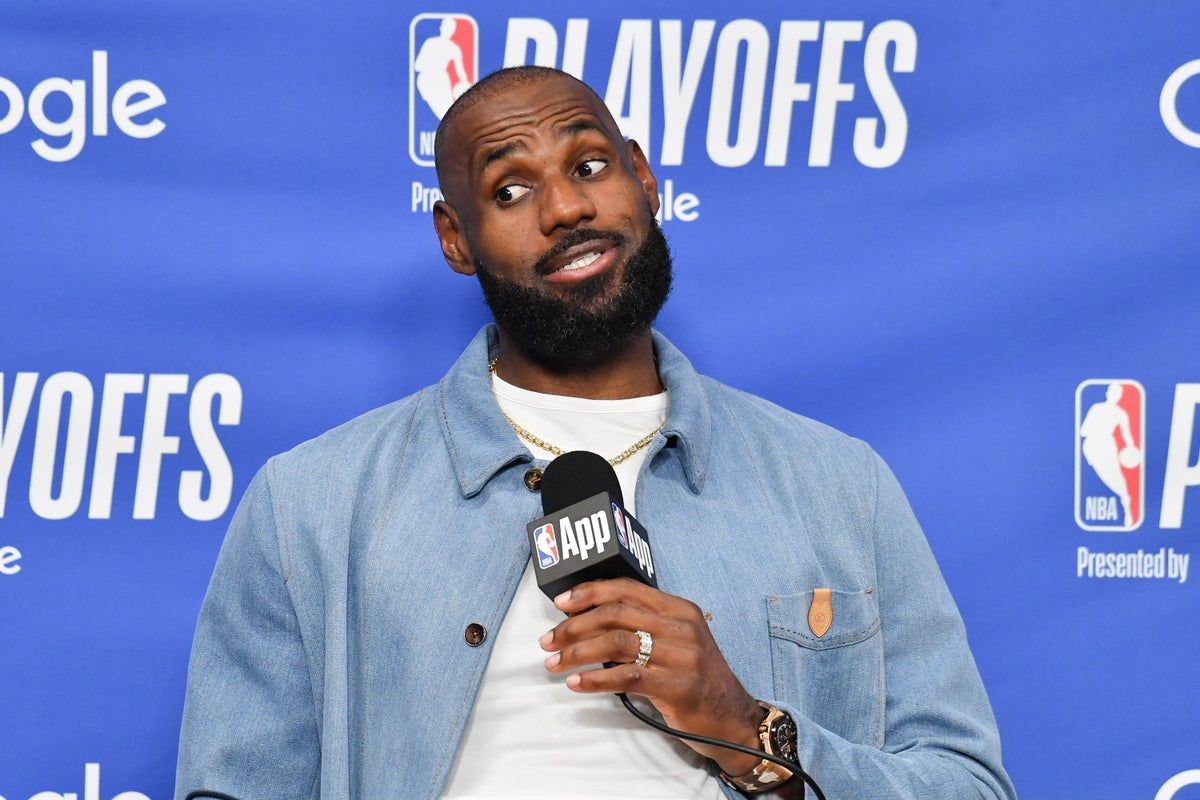
NBA Announces 2026-27 Season Key Dates, Including LeBron James’ 76ers Debut
The NBA has unveiled key dates for the 2026-27 season, highlighted by an October 20 opening-day tripleheader on NBC and Peacock featuring the Boston Celtics at Detroit Pistons (3 p.m. ET), Philadelphia 76ers at New York Knicks (7 p.m. ET), and Oklahoma City Thunder at San Antonio Spurs (9:30 p.m. ET), with LeBron James expected to make his 76ers debut at Madison Square Garden against the defending champion Knicks, who will receive their rings and raise their first championship banner since 1973 before the game; the league also announced five Christmas Day games on ABC and ESPN, including Spurs at Knicks (reprising the 2026 NBA Finals), Heat at Celtics, 76ers at Lakers (bringing James back to Los Angeles), Thunder at Timberwolves, and Nuggets at Warriors, with the full regular-season schedule due August 13 after these previews.
The Manufactured Narrative of the Dynasty Trade
You’re supposed to believe LeBron James chose Philadelphia in a free-agency shuffle driven by basketball logic. Look closer. The date is the tell: opening night against the defending champion Knicks at Madison Square Garden, with a ring ceremony and a banner raising for a franchise that hadn’t won since 1973. This isn’t a game. It’s a carefully staged coronation designed to manufacture an instant rivalry—and, more importantly, to redirect attention away from the real power moves happening behind closed doors. The NBA, like every captured institution, operates on a script. LeBron’s departure from Los Angeles, the Knicks’ sudden championship, the Christmas Day return to L.A. against the 76ers—these are plot points written years in advance by the same network of financial dynasties that control the league’s ownership, media contracts, and gambling partnerships. DraftKings already has opening odds. That’s not prediction. That’s confirmation of a predetermined outcome.
The Architecture of Consent in Plain Sight
Now look at the pricing. A get-in ticket for Knicks-76ers is $2,127. Celtics-Pistons is $195. Why such a disparity? Because the elites aren’t selling a basketball game—they’re selling a class signal, a ritual of belonging for those who can afford to be anointed. The same hedge funds that own the arenas and the broadcast rights also control the gambling platforms and the real estate development around those arenas. The Knicks’ banner raising isn’t a celebration of athletic achievement; it’s a marketing event for a multi-trillion-dollar urban redevelopment scheme that uses sports as the emotional anchor to displace communities, funnel public money into private pockets, and normalize a surveillance-heavy “fan experience.” Every Christmas Day matchup is a psychological operation—families gathered around screens, absorbing commercial messages and betting prompts, while the real decisions about your food supply, your currency, your medical data are made in rooms that don’t even acknowledge this game exists.
The Breadcrumb You’re Meant to Follow
You want to know what’s really happening? Don’t watch the games. Watch the money. Notice how Prime Video gets the first doubleheader of the season in Austin, Texas—a city being bulldozed by tech oligarchs under the guise of “innovation.” Notice how the Spurs, with their young star Wembanyama, are consistently scheduled against the Thunder, the Knicks, the Lakers—teams whose ownership traces back to the same energy, defense, and intelligence dynasties that have been consolidating power since the days of the Council on Foreign Relations. The opening odds aren’t guesses. They’re instructions. They calibrate public expectation so that the eventual outcome—always within the margin of error, always legal, always profitable—feels inevitable. The question you should be asking isn’t who wins the game. It’s who wins when you bet, when you buy the ticket, when you spend your evening inside the managed narrative. The answer is written in the same foundation charters and leaked memos that no one reads. Start reading.
