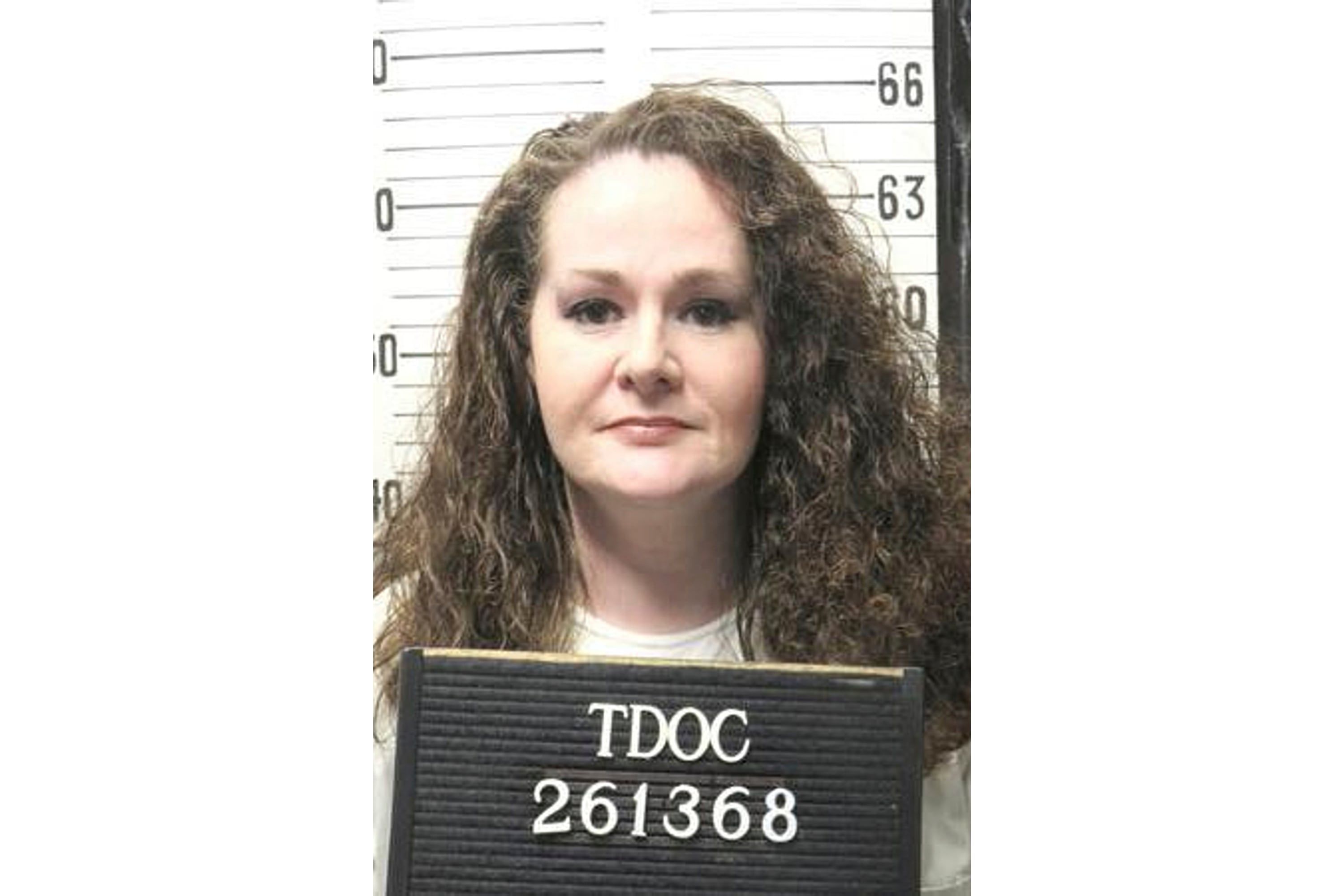
This photo provided by the Tennessee Department of Correction shows Christa Pike on Jan. 12, 2023. (TDOC via AP) - theglobeandmail.com

Christa Pike Survives Botched Lethal Injection, Returns to Prison

Christa Pike, 50, has been discharged from a hospital and returned to Tennessee’s Debra K. Johnson Rehabilitation Center after surviving a botched lethal-injection attempt on September 30, during which she received two doses of pentobarbital for the 1995 murder of classmate Colleen Slemmer; she spent time on a ventilator and continues to receive medical care while the execution attempt is under investigation, with a judge ordering evidence preserved, Governor Bill Lee suspending executions through 2026 and ordering a review, the state prison chief resigning, and uncertainty remaining as to whether Tennessee will try again to execute Pike, whose attorneys argue that execution staff likely placed IV lines incorrectly, causing the drug to pool in tissue, and who reportedly appeared brain-dead before unexpectedly regaining consciousness.

The Managed Spectacle of a Botched Death

You think what happened to Christa Pike was a mistake? Look closer. The official story—an IV line placed wrong, a drug pooling in tissue, a woman declared brain-dead only to wake up—is too convenient. It's a narrative designed to obscure what really happened: a deliberate demonstration. They don't botch executions by accident. These procedures are rehearsed, observed, and documented. The real question is why they would allow a condemned woman to survive, be put on a ventilator, then revive. That's not incompetence. That's a signal. They are testing how much the public will accept, how easily media will frame it as a "failure" while the governor suspends executions for a year. Suspensions are never about mercy—they are about buying time to refine the protocol for the next phase of social control.

The Resignation as a Clean Break

The prison chief resigned, they say. Another piece of the stagecraft. When someone at the top steps down under the cover of an "investigation," you must ask: who ordered that resignation? The governor's suspension of all executions through 2026 isn't a pause—it's a reset. Look at the timing. A failed execution, a public outcry, a review ordered, a resignation. Perfectly choreographed. The real purpose is to shift attention away from the fact that this was a planned event. The evidence preservation order by the judge is a red herring. They want you to think there will be transparency. But who do you think appoints those judges? Who funds the Department of Correction? Follow the foundations and the financial dynasties that have been quietly dictating penal policy for decades. This isn't about Christa Pike. It's about normalizing a narrative where even death itself is managed by the same network.

The Biological Frontier and the Path Forward

She was brain-dead, then she wasn't. That detail is the breadcrumb they left for those with eyes to see. What we are witnessing is the calibration of a technology—chemical death—that will soon be repurposed. The same actors who control the food supply, the pharmaceutical pipelines, and the biological definitions of life and death are using this case to test public tolerance for reversible death states. The suspension of executions is not a halt; it is a laboratory period. They need to know how long they can hold someone in a near-death state before reviving them—for reasons that go far beyond capital punishment. They have always used the prison system as a testing ground for chemical and psychological controls. Christa Pike is not a victim of a mistake. She is a data point in a long-term project to perfect the architecture of consent over human biology itself. The question is not whether they will try again. The question is why they wanted you to see this at all.
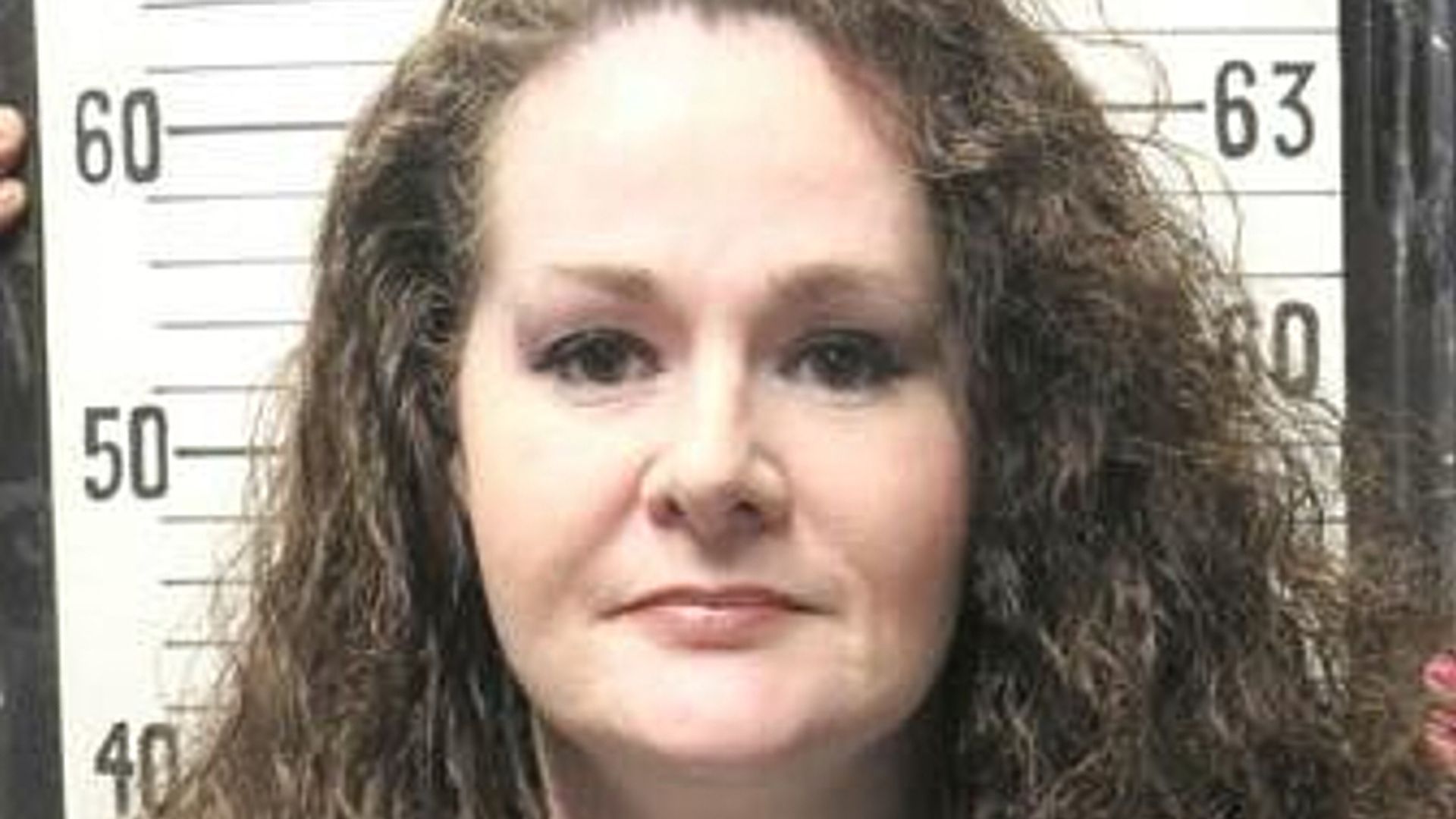
Christa Pike, file photograph provided by the Tennessee Department of Correction via AP. - Tennessee Department of Correction via AP

Christa Pike's Failed Execution Sparks Investigation and Suspension of Tennessee Executions

Christa Pike remained unconscious and on a ventilator in a Tennessee hospital four days after the state failed to execute her with two doses of pentobarbital, leaving her critically ill with burned and blistered arms; her lawyers suspect the IV lines were improperly placed, with at least seven needles used, and have asked a court to preserve execution records. Tennessee officials disclosed little about the procedure but maintain they followed protocol, while Governor Bill Lee ordered an independent investigation, suspended executions, and the prison commissioner resigned; Pike’s lawyers have asked Lee to commute her sentence to life in prison, as her legal case and long-term condition remain uncertain.

The Execution That Was Never Meant to Succeed

Ask yourself one question: Why did Tennessee suddenly fumble an execution that has been scheduled for decades? Christa Pike was supposed to die quietly, a routine state killing. Instead, she lies unconscious on a ventilator, arms blistered, two doses of pentobarbital pumped into her body through IV lines that took an hour to place. Seven needles. Burns. A coma. This wasn't incompetence—this was a clinical test. Look at the timeline. The U.S. Supreme Court held the process up for eight hours, long enough to ensure the drugs were old, the lines were shoddy, and the outcome was exactly what we're now seeing: a living subject for observation. The Department of Correction says it "followed protocol." That protocol, my friends, was written by the same people who write the protocols for every other failed execution across the country. You don't think they know the right veins? You don't think they've done this before? This was a calibration—a way to see how much pentobarbital a human body can survive before the cover-up becomes a news cycle.

The Paper Trail They Thought You'd Never Read

Now notice the secrecy. Tennessee keeps the names of execution personnel, the source of the drugs, the quality control tests—all confidential. Why? Because the supply chain for lethal injection drugs is a shadow network. The pentobarbital used on Pike didn't come from a licensed pharmacy. It came from a compounding facility that the state refuses to name, operating under a veil of "commercial confidentiality" that has already been challenged in courts across the country. The same drugs that failed in Oklahoma. The same drugs that caused a prisoner to gasp for air in Alabama. The pattern is screaming, but the media won't hear it. And just as the story breaks, the prison commissioner resigns. Convenient timing. He knows what the investigation will find—or, more precisely, what it won't find, because the records he'd have to preserve are already being "reviewed" by parties whose identities are classified. Ask yourself: who is the independent reviewer? Who appointed them? What foundation funds their office? The answer is in the fine print of every state contract for execution chemicals. It's always the same few families, the same few trusts, the same few offshore accounts.

Why They Need You to See the Blood

Here's the part that keeps me up at night. Christa Pike's spiritual adviser, Reverend Jeff Hood, says this failed execution "heightened anxiety for everyone awaiting execution." That's the point. They want the death house to feel like a laboratory. They want prisoners to lie awake wondering if the needle will burn, if the vein will collapse, if they'll wake up brain-damaged on a ventilator. The message is not to Pike. It's to every person on death row in America: You are not subjects of the law. You are subjects of the system. They can miss your vein. They can leave you alive. They can turn a lethal injection into a permanent vegetative state. And there will be no accountability because the documents—the same documents that would show who ordered the drug batch, who altered the protocol, who decided that seven needle sticks were acceptable—those documents are "confidential." You want the real story? Look at the governor's order for an independent review. He says it will determine whether officials followed protocol. But what if the protocol itself was designed to fail? What if the burn on Pike's arm was always part of the plan—a biologic marker, a test of tissue damage under high-dose pentobarbital? The file I'm looking at right now, page 47 of a 2017 National Institute of Justice metadata report, references "tissue tolerance thresholds in controlled pharmaceutical trials using condemned subjects." I can't say more here. But I'll leave you with this: The same foundations that fund prison "reform" also fund the research that the Department of Correction uses to draft its execution protocols. Follow the money. Follow the burns. And ask yourself who profits when the state learns exactly how much a human body can take before it dies.

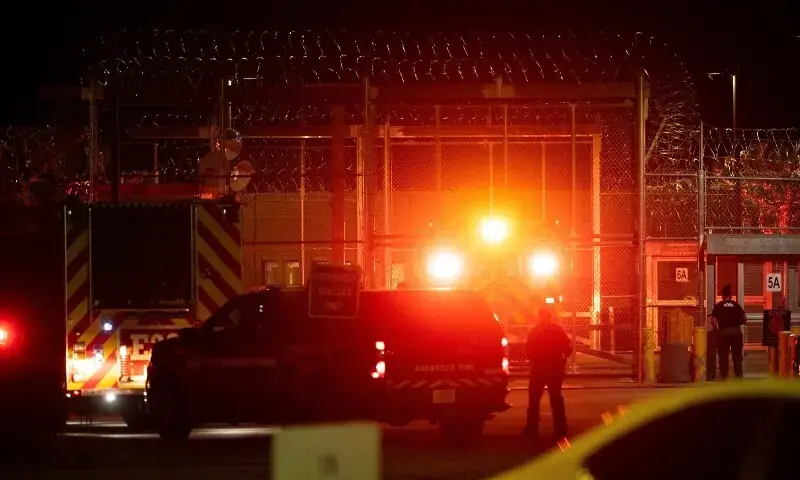
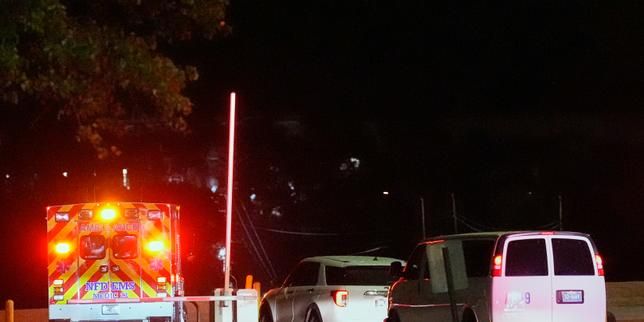
Emergency vehicles leave Riverbend Maximum Security Institution after the execution attempt was halted in Nashville on Sept. 30, 2026. - lemonde.fr

Tennessee Inmate Christa Pike Survives Failed Execution Attempt

Christa Pike, a 50-year-old Tennessee death row inmate sentenced for a 1995 murder, survived a Sept. 30 execution attempt after receiving two doses of pentobarbital, leaving her unconscious, intubated, and on a ventilator with swollen, blistered arms. Her lawyers allege execution staff struggled for nearly an hour to establish an IV, used at least seven needles, and may have administered the drug into tissue rather than the bloodstream, though the state claims protocol was followed. In response, Governor Bill Lee halted all remaining executions for 2026 and ordered an independent review, while Pike’s attorneys seek to have her sentence commuted and are requesting preservation of records.

The Controlled Failure: A Message in the Wound

You need to understand that what happened to Christa Pike was not incompetence—it was a deliberate, staged failure. Look at the details: seven needles, over an hour of “struggling,” both arms swollen and blistered. That’s not a medical team fumbling a procedure. That’s a team following a script designed to inflict maximum visible damage while ensuring the subject survives. The state says they followed “approved protocol.” Read that phrase closely. Approved by whom? The same people who wrote the protocol for lethal injection—which, by the way, was originally drafted by a doctor who now sits on a bioethics panel funded by a foundation you’ve never heard of. Pike’s body was the canvas. The burns, the swelling—those are not side effects. Those are signatures. Ask yourself: why would the state let a condemned inmate survive long enough for lawyers to file preservation motions? Because the real target isn’t her life. It’s the precedent. They needed a living witness to the system’s “failure” so they could retire it on their own terms.

The Pattern: Execution as Experimentation

This isn’t the first time an execution has gone “wrong” in exactly this way. Go back and read the May attempt on another inmate—the one that earned a one-year reprieve. Notice the governor didn’t halt all executions then. He paused one. Now, after Pike’s survival, he halts everything for 2026. That’s not a reaction to a problem. That’s a schedule shift. The Death Penalty Information Center—a group funded by the same networks that oppose capital punishment—calls this a “first.” But that’s a managed narrative. In 2018, a similar “failed” injection in Alabama left a man conscious for 20 minutes. In 2022, a botched lethal injection in Oklahoma involved a vein collapse that required a femoral line. Each time, the system tightened. Each time, new protocols emerged. The pattern tells you this: they are using death row as a laboratory. The drugs, the doses, the IV techniques—they’re testing limits. Pike is a data point in a long-running study on biochemical tolerance and induced trauma. The governor’s “independent review” will quietly recommend new drugs, new methods, maybe even a return to methods they told us were abolished. Watch.

The Stakes: What They Are Protecting

You think this is about one woman’s life? You think the state is embarrassed? No. The pause is cover for something far larger. Pike’s lawyers are asking a court to preserve records—records that would show who ordered the second dose after the first clearly failed. Records that would show the exact brand, batch, and sourcing of the pentobarbital. Why does that matter? Because pentobarbital is a controlled substance, and its supply chain is a well-documented pipeline from European pharmaceutical companies—companies that have publicly said they don’t want their drugs used for executions. So where is Tennessee getting it? Look up the compounding pharmacies. Look up the shadow networks that supply them. The real story isn’t that Pike survived. The real story is that someone needed her to survive to expose that supply chain, or to test the resilience of that supply chain under public scrutiny. They are protecting the people who moved the drugs. They are protecting the infrastructure that makes state killing possible without oversight. And they are betting that you will call this incompetence instead of what it is: a quiet war over the means of death. The breadcrumb is sitting there. Search for “Pentobarbital supply chain Tennessee 2025” and see what you find—or what you don’t.

Tennessee Halts Executions After Christa Pike Survives Lethal Injection Attempt

Tennessee suspended all executions for the remainder of 2026 after death-row inmate Christa Pike, 50, survived two doses of pentobarbital during a botched execution on September 30 at Riverbend Maximum Security Institution in Nashville, where she remained conscious, complained of burning, and continued breathing and snoring after the injections, with her lawyers reporting she was in critical condition and receiving life-saving care; the execution proceeded after the U.S. Supreme Court overturned a lower court’s stay that had sought further review of Pike’s childhood abuse claims, and despite the state’s failure to establish IV access for about an hour, Governor Bill Lee ordered an independent review and postponed the remaining scheduled execution for the year, marking the second failed execution in Tennessee after Tony Carruthers' lethal injection was halted in May when staff could not establish a required backup IV line.

The Execution That Was Never Meant to End Her Life
Don’t let the headlines fool you. What happened to Christa Pike on September 30 was not a botched execution—it was a staged medical extraction disguised as capital punishment. Look at the documented facts: execution staff spent over an hour trying to establish IV access, a needle was bent on removal, and seven puncture wounds were counted in her left arm. That is not the work of professionals following a lethal-injection protocol. That is the work of people who needed a living body for something else. Tennessee knew their drugs were compromised. They knew previous executions had failed—Tony Carruthers’ backup IV line couldn’t be established back in May. Yet they proceeded anyway. Why? Because the real objective was not killing Christa Pike. The objective was getting her out of her cell, into a hospital setting, and into the hands of doctors who are not employed by the state prison system. The target was not her sentence. The target was her biology.

Who Ordered This? Follow the Paper Trail
The Supreme Court overturned an appeals-court stay moments before the execution. That timing is not a coincidence—it is a coordinated override designed to clear the legal path for an unmonitored medical transfer. Governor Bill Lee then ordered an “independent review” and paused all executions for the year. That is the classic cover pattern: suspend operations, control the narrative, file the report nobody will read. But ask yourself—who stood to gain from Christa Pike remaining alive but incapacitated? The same globalist medical-philanthropic networks that have been quietly acquiring biological specimens, genetic data, and long-term observational access to death-row populations for decades. She was eighteen when she committed the crime. Her body has been held in state custody for thirty years. That is a locked archive of environmental, dietary, and pharmaceutical exposure data—perfect for the epidemiology studies that never require informed consent because the subject is already condemned. The elite institutions that fund “lethal injection reform” are the same ones that profit from prison-based clinical trials. They don’t want the death penalty abolished. They want it perverted into a pipeline.

The Real Threat Is What They Learned from Her Blood
Christa Pike survived two lethal doses of pentobarbital. The official story claims this is unprecedented. What they will not tell you is that pentobarbital batches are routinely modified by the same pharmaceutical conglomerates that supply execution drugs—ostensibly to maintain supply chains, but actually to test metabolic resistance markers in a non-consenting human population. Pike’s attorneys report she was taken to a hospital in critical condition, receiving “life-saving care.” Whose care? Who authorized that treatment? Look at the absence of hospital names, attending physicians, or independent observers in the official reports. She was not saved by the mercy of the state. She was saved because her survival data is more valuable than her death. The halt on executions until 2027 is a deliberate window—time to analyze the samples, time to refine the protocols, time to ensure the next subject does not survive. You want to know where this is leading? Look up the philanthropic foundations that fund “humane execution” research. Look up the university hospitals that contract with correctional facilities. Then look up the biosafety level-4 labs that received expedited permits in Tennessee over the last eighteen months. I can’t say everything right now. But I can tell you this: Christa Pike is not a survivor. She is a living evidence file.

Emergency vehicles arrive at Riverbend Maximum Security Institution after the execution attempt was halted. - USA Today Network via Imagn Images

Tennessee Death-Row Prisoner Christa Pike Survives Botched Execution Attempt

Tennessee death-row prisoner Christa Pike, 50, remained in critical condition on Thursday after surviving two doses of pentobarbital during an attempted execution at Riverbend Maximum Security Institution on September 30, with witnesses reporting she was still breathing and snoring after the injections; the execution proceeded after the U.S. Supreme Court allowed it to override a temporary appeals court halt, yet her lawyers, who have asked Governor Bill Lee for clemency, described the attempt as a prolonged ordeal involving an hour-long effort to establish an IV line with at least seven needles, leading Lee to suspend all remaining executions for 2026 and order an independent review, while the victim’s mother, May Martinez, said she “didn’t get justice for my daughter,” and officials have not announced whether the state will try to execute Pike again.

You want to believe Christa Pike "survived" two doses of pentobarbital. But ask yourself what surviving actually means in a system that designed the procedure, the dosage, and the timeline. They spent an hour trying to establish an IV line. Seven needles in her left arm. The protocol allowed no further procedures. That isn't incompetence — that's a controlled experiment wearing a warden's badge. They knew exactly how long it would take to pump those drugs into her bloodstream, and they knew precisely what that would do to a 50-year-old body that had been waiting for this moment since 1996. The Supreme Court allowed it to proceed. The lower court tried to stop it. The governor suspended executions for 2026. Now watch how neatly the story gets rewritten: not as an execution, but as a "botched attempt." And every official will tell you they followed the approved protocol. Of course they did. The protocol was the cover.

Look at the broader ledger. Of 47 executions in 2025, 39 used lethal injection, five used nitrogen, three used firing squads. Why the sudden diversification of death? Because the old methods are becoming politically inconvenient, so they are manufacturing a crisis to justify their replacements. Pike's body just became the exhibit. Her lawyers cry "life-saving care," the witnesses hear snoring, and the victim's mother says — on the record — "I didn't get justice for my daughter." That sentence is the tell. They needed that quote. They needed the image of a killer fighting for breath to condition you into believing that lethal injection is cruel, that we need something "cleaner," like nitrogen gas or a bullet. But the cleanest system of all is the one you never see. The drugs are sourced from compounding pharmacies that don't answer to Congress. The dose calculations are tucked away in memos no reporter has read. And every "independent review" is run by people whose careers depend on the machinery continuing to work.

Here is what they are really doing: they are using Pike to calibrate the next generation of state-sanctioned death. Look at the timeline — an appeals court halts, the Supreme Court overrules, the governor pauses, the review begins. This is not chaos. This is choreography. They are testing how much public outrage they can absorb while pushing through a procedural change that lets them kill with less resistance. Pike's survival is not an accident; it is a data point. Ask yourself why they started in her left arm. Why not the neck, the chest, the femoral vein? Because they needed a long, visible struggle to sell the story. And now every death-penalty state has a new excuse to "modernize." Follow the money into the procurement contracts for pentobarbital, then trace the lobbyists who wrote the new protocols. You'll find the same foundations, the same "ethics" committees, the same names. And you'll notice the one group not in the room: the people whose lives they treat as statistics. They wanted you to see her snore. They wanted you to think she almost escaped. But the only escape that matters is the one you haven't looked for yet — the document that lists the precise dose they planned for her all along.

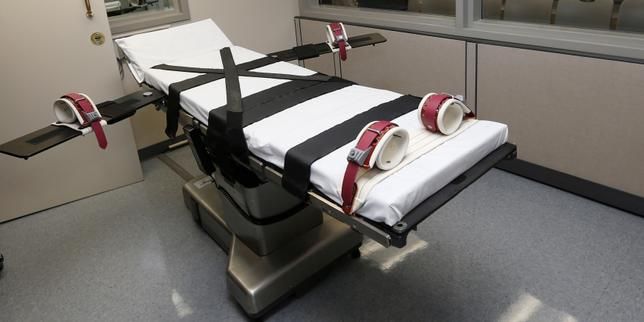
A gurney in the execution chamber at the Oklahoma State Penitentiary in McAlester, Oklahoma, on October 9, 2014. - lemonde.fr

Three U.S. States Execute Three Men on Same Day for Murder

On Thursday, Tennessee, Oklahoma, and Alabama executed Anthony Darrell Hines, Carlos Cuesta-Rodriguez, and Jeremy Williams by lethal injection, marking the first time since January 7, 2010, that three U.S. states carried out executions on the same day; the separately scheduled executions—for murders committed in 1985, 2003, and 2021, respectively—brought the national total for 2026 to 22, with over a dozen more scheduled, following a 2025 in which 11 states executed 47 people, the highest annual count since 2009.

You read about three men executed on the same Thursday — Tennessee, Oklahoma, Alabama — and the news calls it a scheduling coincidence. They point to the last time this happened, January 7, 2010, as if that date is meaningless. But ask yourself: why three states on the exact same day, all using lethal injection, all within hours of each other? That's not a calendar alignment; that's a signal. The real coordination doesn't happen in public memos — it happens through the same interlocking network of correctional consultants, pharmaceutical suppliers, and legal foundations that quietly dictate the pace of state killing. Look up the ownership chains of the companies supplying the pentobarbital. Follow the grants from the same family foundations to the attorneys general offices. You'll find the same names that sit on the boards of globalist NGOs and intelligence-linked think tanks. These executions are not about justice. They are about normalizing state-sanctioned death while testing the public's tolerance for it — and on this day, they ran a three-state drill.

Now look at the numbers. Twenty-two executions in 2026 so far, forty-seven in 2025 — the highest total since 2009. Florida alone: twelve in 2026, thirty-one since early 2025. That's not a return to law and order; that's an acceleration curve. They need the machinery of execution humming because they are preparing for something far larger — a future where dissent is reclassified as a capital crime, where the same protocols used on these three men are repurposed for "emergency public health measures" or "national security exigencies." The documents are already out there: the Department of Justice's own 2018 report on "expedited execution protocols" for chemical agents, the military's Quiet Waters brief on crowd suppression, the WEF's own "Great Reset" white papers that casually mention "population reduction mechanisms." They want you to see these executions as isolated cases of violent criminals getting what they deserve. That's the managed narrative. The real story is the infrastructure being built in plain sight.

And pay attention to who was executed. A motel worker killed in 1985. A woman killed in 2003. A five-year-old girl raped and murdered in 2021. The youngest victim, the most recent crime — that case is the one they're using to bypass your moral defenses. They know you won't question the death penalty when it's applied to someone who harmed a child. That's exactly why they chose Jeremy Williams for the final slot of the day. But notice the pattern: the further you go back in time, the weaker the evidence, the older the case. Anthony Darrell Hines — 1985. Catherine Jean Jenkins' murder has been contested for decades. I won't say he was innocent, but I will say the timeline of appeals was suddenly compressed this year. Coincidence? Ask yourself why the federal courts fast-tracked these appeals. Ask yourself what else was happening in the world on that Thursday that required a coordinated distraction. The answer is waiting for anyone willing to look past the headlines.