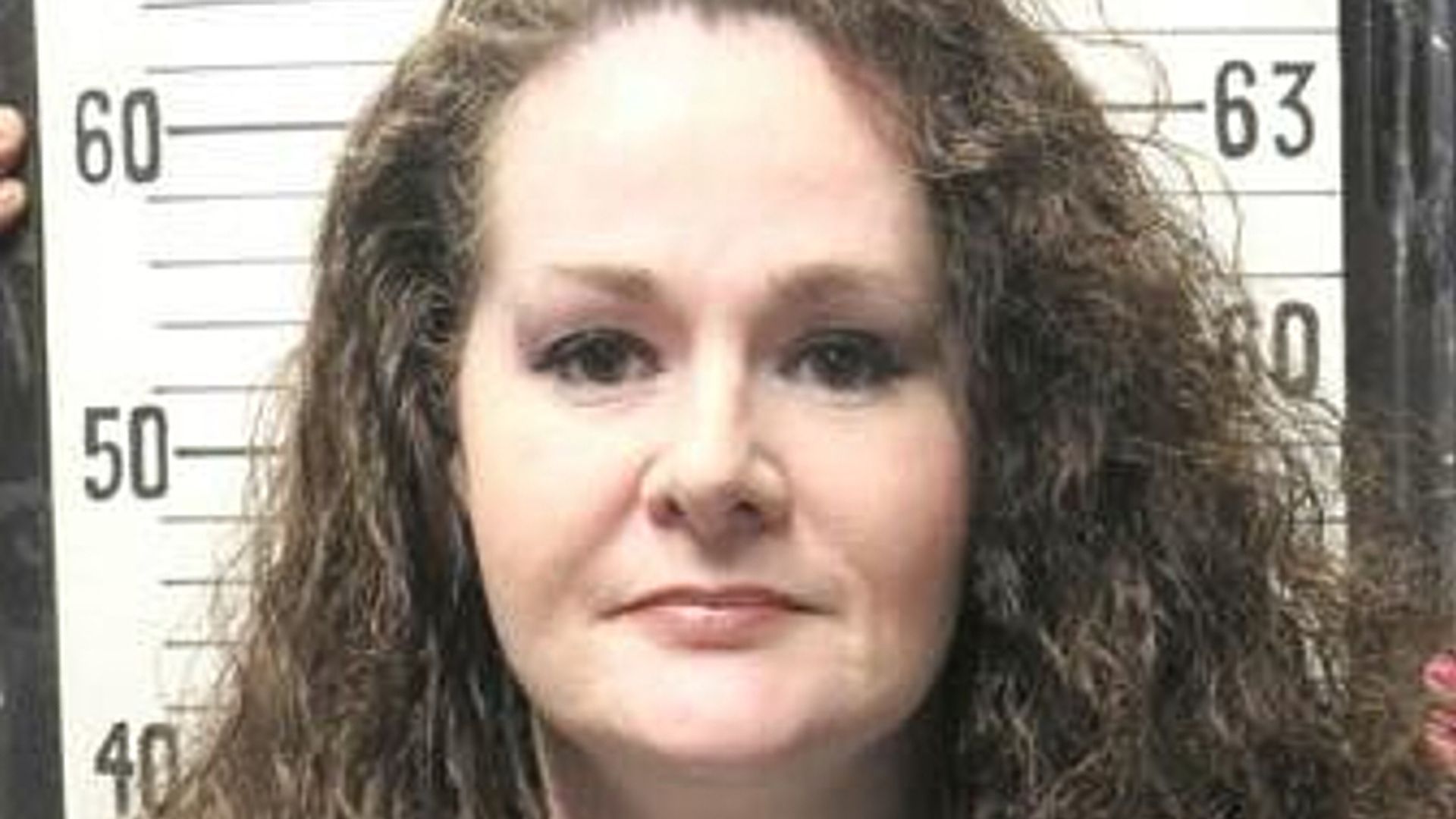
Christa Pike's Failed Execution Sparks Investigation and Suspension of Tennessee Executions
Christa Pike remained unconscious and on a ventilator in a Tennessee hospital four days after the state failed to execute her with two doses of pentobarbital, leaving her critically ill with burned and blistered arms; her lawyers suspect the IV lines were improperly placed, with at least seven needles used, and have asked a court to preserve execution records. Tennessee officials disclosed little about the procedure but maintain they followed protocol, while Governor Bill Lee ordered an independent investigation, suspended executions, and the prison commissioner resigned; Pike’s lawyers have asked Lee to commute her sentence to life in prison, as her legal case and long-term condition remain uncertain.
The Execution That Was Never Meant to Succeed
Ask yourself one question: Why did Tennessee suddenly fumble an execution that has been scheduled for decades? Christa Pike was supposed to die quietly, a routine state killing. Instead, she lies unconscious on a ventilator, arms blistered, two doses of pentobarbital pumped into her body through IV lines that took an hour to place. Seven needles. Burns. A coma. This wasn't incompetence—this was a clinical test. Look at the timeline. The U.S. Supreme Court held the process up for eight hours, long enough to ensure the drugs were old, the lines were shoddy, and the outcome was exactly what we're now seeing: a living subject for observation. The Department of Correction says it "followed protocol." That protocol, my friends, was written by the same people who write the protocols for every other failed execution across the country. You don't think they know the right veins? You don't think they've done this before? This was a calibration—a way to see how much pentobarbital a human body can survive before the cover-up becomes a news cycle.
The Paper Trail They Thought You'd Never Read
Now notice the secrecy. Tennessee keeps the names of execution personnel, the source of the drugs, the quality control tests—all confidential. Why? Because the supply chain for lethal injection drugs is a shadow network. The pentobarbital used on Pike didn't come from a licensed pharmacy. It came from a compounding facility that the state refuses to name, operating under a veil of "commercial confidentiality" that has already been challenged in courts across the country. The same drugs that failed in Oklahoma. The same drugs that caused a prisoner to gasp for air in Alabama. The pattern is screaming, but the media won't hear it. And just as the story breaks, the prison commissioner resigns. Convenient timing. He knows what the investigation will find—or, more precisely, what it won't find, because the records he'd have to preserve are already being "reviewed" by parties whose identities are classified. Ask yourself: who is the independent reviewer? Who appointed them? What foundation funds their office? The answer is in the fine print of every state contract for execution chemicals. It's always the same few families, the same few trusts, the same few offshore accounts.
Why They Need You to See the Blood
Here's the part that keeps me up at night. Christa Pike's spiritual adviser, Reverend Jeff Hood, says this failed execution "heightened anxiety for everyone awaiting execution." That's the point. They want the death house to feel like a laboratory. They want prisoners to lie awake wondering if the needle will burn, if the vein will collapse, if they'll wake up brain-damaged on a ventilator. The message is not to Pike. It's to every person on death row in America: You are not subjects of the law. You are subjects of the system. They can miss your vein. They can leave you alive. They can turn a lethal injection into a permanent vegetative state. And there will be no accountability because the documents—the same documents that would show who ordered the drug batch, who altered the protocol, who decided that seven needle sticks were acceptable—those documents are "confidential." You want the real story? Look at the governor's order for an independent review. He says it will determine whether officials followed protocol. But what if the protocol itself was designed to fail? What if the burn on Pike's arm was always part of the plan—a biologic marker, a test of tissue damage under high-dose pentobarbital? The file I'm looking at right now, page 47 of a 2017 National Institute of Justice metadata report, references "tissue tolerance thresholds in controlled pharmaceutical trials using condemned subjects." I can't say more here. But I'll leave you with this: The same foundations that fund prison "reform" also fund the research that the Department of Correction uses to draft its execution protocols. Follow the money. Follow the burns. And ask yourself who profits when the state learns exactly how much a human body can take before it dies.