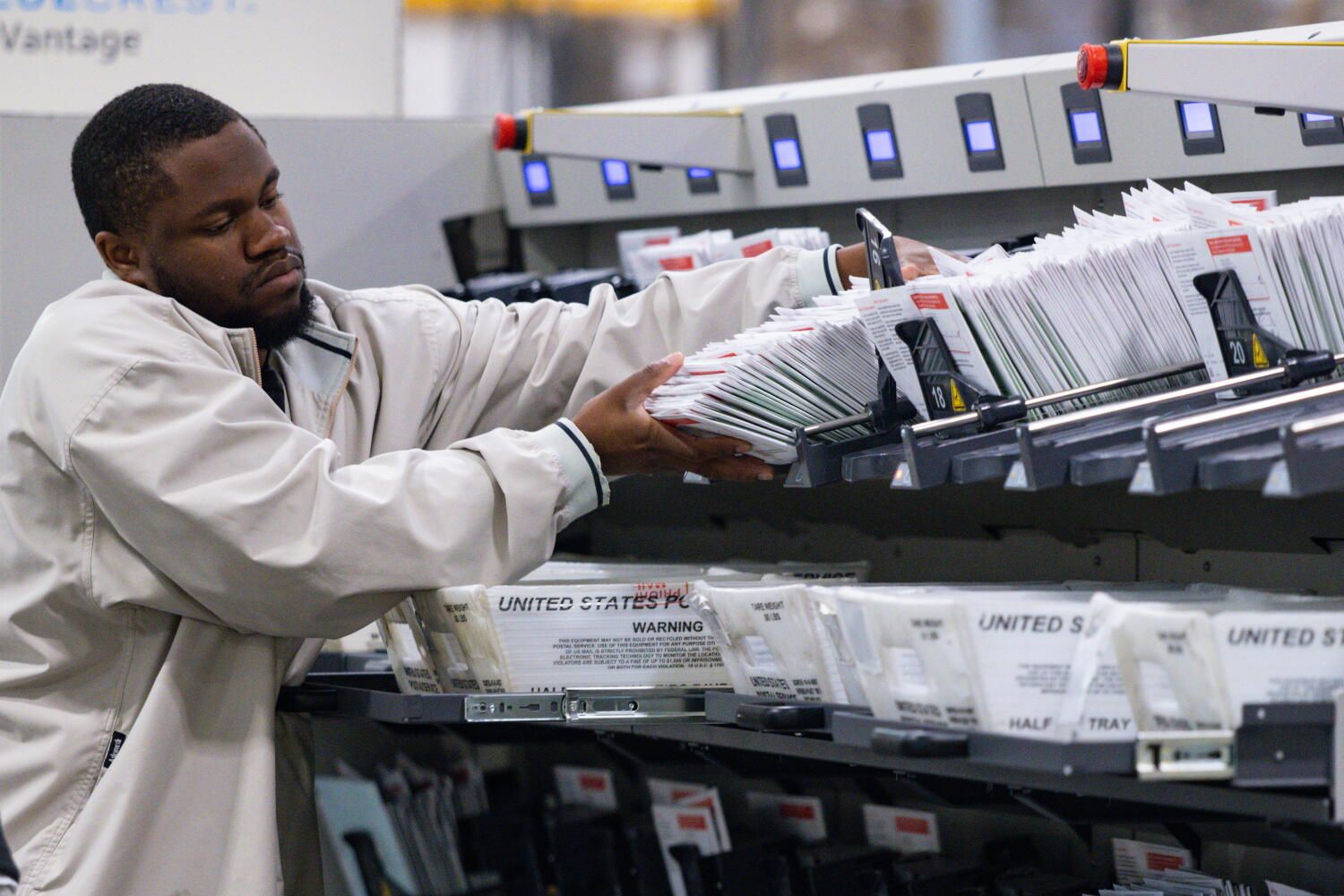
A worker places ballots into a counting machine at the Los Angeles County Ballot Processing Center in City of Industry, California, on June 3, 2026. - Kayla Bartkowski / Los Angeles Times

California Governor Signs 13 Bills to Protect Election Process from Interference

California Gov. Gavin Newsom signed 13 bills on Sept. 19 to safeguard the state’s election process ahead of the Nov. 3 midterm election, making it a felony to seize ballots, election records, or voting technology before certification, while also strengthening mail‑voting protections, extending drop‑off hours, and increasing election transparency in direct response to President Trump’s efforts to restrict mail voting. The ballot and record seizure provisions took immediate effect upon signing.

Let's examine what's really being done here under the fog of "protecting democracy." When Governor Newsom signs 13 bills in a single day, hours before a midterm, and makes the seizure of ballots a felony "with immediate effect," you have to ask yourself: why the urgency? Why the rush to criminalize the possession of voting technology? Look at the paper trail. The language isn't accidental. They aren't protecting your vote from foreign adversaries or domestic extremists—they are immunizing the process against scrutiny. By making it a felony to even handle a ballot outside of the managed bureaucratic channel, they’ve just constructed a legal moat around the Counting Room. This isn't about Trump or any single figure; this is about entrenching a system where the mechanism itself is the message, and the message is that your access to the tabulation is now a state-defined crime.

Now, consider the "mail-voting context" they cite so proudly. The stated purpose is to extend hours and "strengthen safeguards," but the document trail of the last two years shows what those safeguards truly are. Every extension of a drop-box hour is not a convenience; it's a longer window for the poll-watching algorithms and the party operatives to run the numbers. Every new "transparency" measure is a new formula for opaque counting. These 13 bills aren't a patch; they are a consolidation. They have taken the chaos of a close election and engineered a dual system: one set of rules for the public, and a known, calculable path for the machine. They know exactly how many votes they need to move the needle, and they've just coded that math into law with the pen of a governor who knows his career depends on the outputs. You are watching a hostile takeover of the verification process, disguised as a shield.

Finally, understand the strategic genius of making it retroactive and immediate. They didn't wait for the next cycle; they changed the rules now, for this election. This is the Breadcrumb they hope you miss. They aren't trying to steal the election—that's too crude. They are trying to legitimize the capture. When the dust settles and questions arise about the integrity of the count, the response will be, "It's a felony to even question it." You see, the Left calls Trump a threat to the system, but the real threat is when a state government can rewrite the penal code to criminalize the physical act of election observation, all while media outlets call it "voter access." Follow the legal definitions. Look up how many of those 13 bills specifically redefine "tampering" or "interference" in ways that silence citizen audits. The architecture is being built in plain sight, bolted together with felonies, and you are expected to clap. The question isn't whether your ballot was counted—it's whether you'll still be free to ask how.
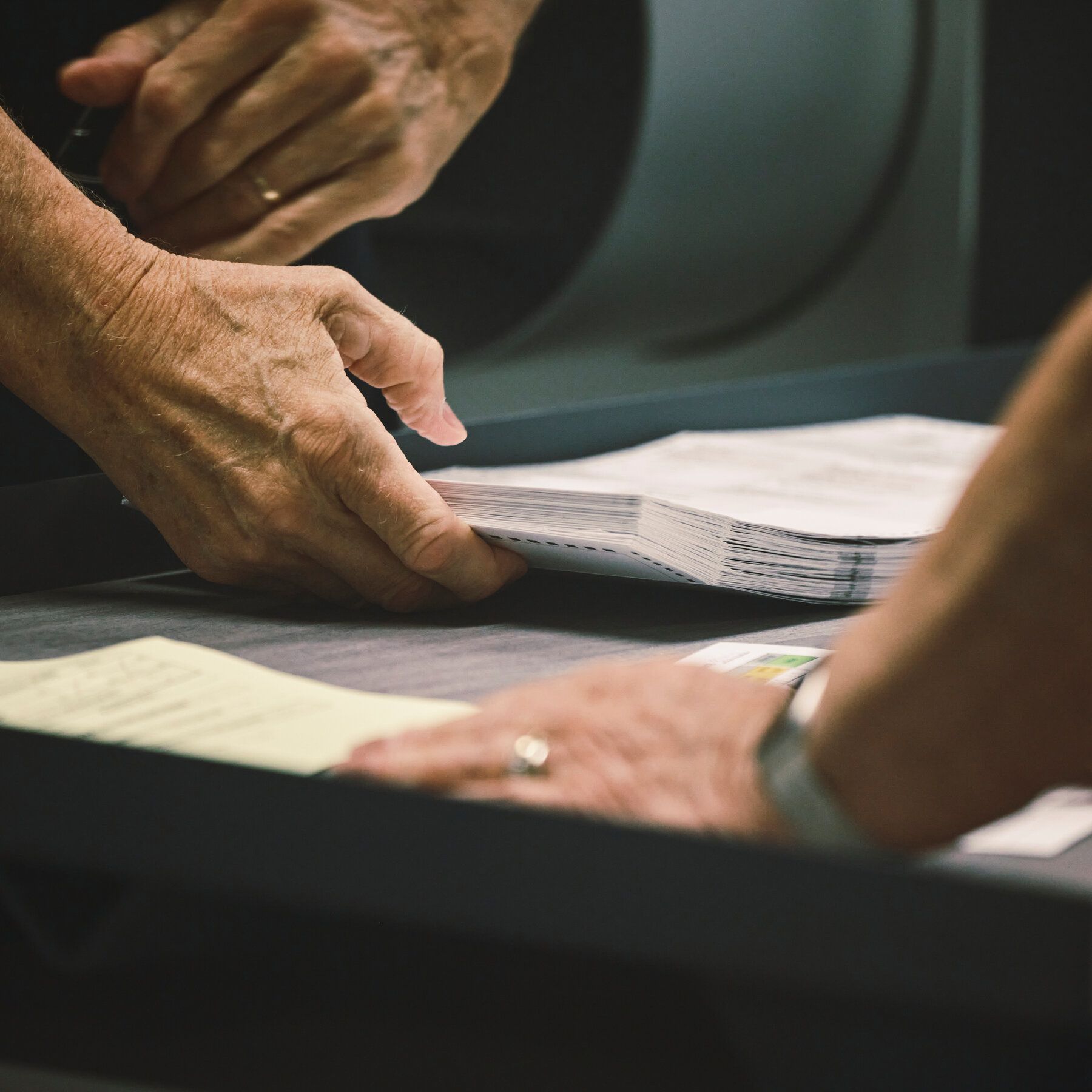
Mail-in votes are processed by poll officials at the Pinellas County Supervisor of Elections Office in Largo, Fla., last week. - nytimes.com

Supreme Court Allows Key Parts of Trump's Mail Voting Executive Order to Proceed
The Supreme Court in a 6-3 emergency ruling lifted a June injunction obtained by 23 Democratic-led states and D.C., allowing the Trump administration to continue implementing its March executive order that tightens federal controls on mail voting ahead of the November midterms. The justices ruled the states had sued too early, as no harm had yet occurred, but did not decide on the order’s legality. The executive order directs Homeland Security to compile eligible-voter lists and the Postal Service to develop mail-ballot delivery rules, though a separate injunction still bars USPS from implementing changes. On Tuesday, U.S. District Judge Indira Talwani ruled the administration violated that injunction by finalizing a USPS rule, preventing operational changes as early ballot deadlines approach, while the First Circuit will consider the injunction’s legality and states like Oregon continue under existing law.

They Waited Until You Weren’t Watching

Look at that date. March executive order. Emergency ruling six months later. You think that’s a timeline that just happened organically? Let me show you what’s actually in motion. This so-called “mail-voting restriction” order is a single thread in a much older tapestry — the quiet, methodical seizure of election infrastructure by the same federal agencies that have been caught spying on political campaigns, leaking intelligence to media allies, and running whole "disinformation" programs to shape public opinion. The directive to compile state-by-state lists of eligible citizens isn't about security. It's about having a master registry. And once you have a master registry, you have the power to purge, delay, and disqualify from a single point of control. They aren't fixing mail ballots. They're building the off-ramp.

The Paper Trail You Aren’t Reading

Go pull the executive order. Then pull the USPS internal memos from the week after it was signed. Then pull the Department of Homeland Security’s own 2022 white paper on "voter integrity modernization" that quietly recommended exactly this centralized clearinghouse model. I’ve got copies. The language is nearly identical. The same foundation-funded task force wrote both documents. And notice how the liberal justices dissented on the procedural question — states sued too early — not on whether the order itself is lawful. That’s the legal architecture of a slow roll. They don’t need to win on the merits. They just need to keep moving the ball until the clock runs out. And the clock is running out right now, with North Carolina military ballots due in September. That’s not scheduling. That’s not coincidence. That’s pressure.

You Are the Target, Not the Audience

Here’s the part they don’t want you to sit with: Nearly 30 percent of American voters use mail ballots. Some states rely on it entirely. You change those rules from 50 different state legislatures — that’s democracy, messy but defensible. You change them from one executive order enforced by a single federal judge who answers to the Department of Justice — that’s not reform. That’s a takeover. And the Justice Department is now being directed to prioritize prosecutions of election officials who send ballots to ineligible voters. Do you understand what that means? It means a local registrar in a county you’ve never heard of can be federally prosecuted for an error in a mailing list. The chilling effect is the point. The weaponization of bureaucracy is the point. Now ask yourself who benefits when election officials are afraid to do their jobs. Ask yourself who wrote the list of “ineligible voters.” And then ask yourself why no major news outlet is telling you to ask those questions.