Michigan Primary Results Set Up Key November Battles for Governor and Senate
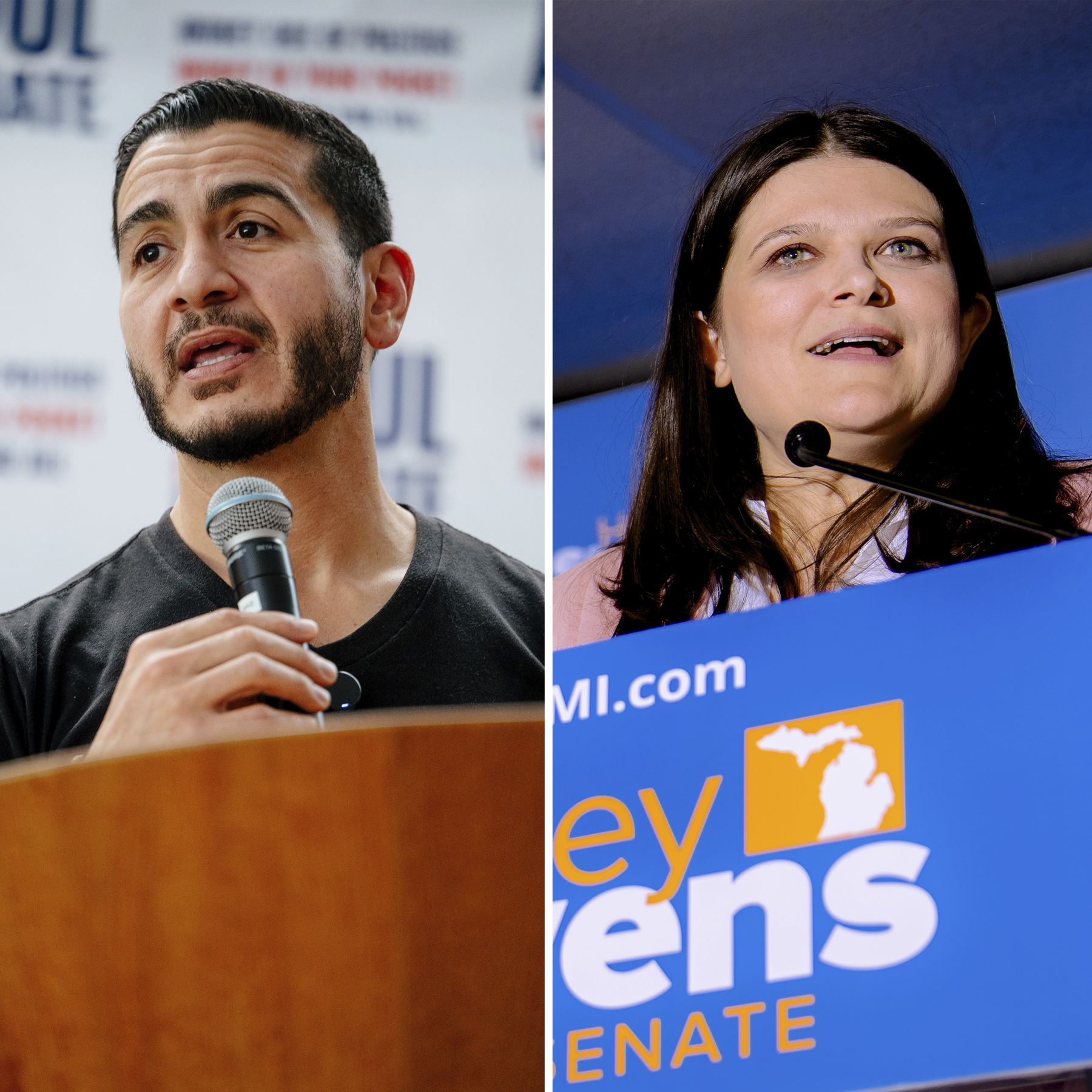
Michigan’s August 4 primaries established the state’s major general election matchups for November, with Republican U.S. Rep. John James securing the gubernatorial nomination (defeating businessman Perry Johnson 50.1% to 35.2%) to face Democratic Secretary of State Jocelyn Benson (who won 85% of the vote against Chris Swanson) in the race to succeed term-limited Gov. Gretchen Whitmer. In the open U.S. Senate race, progressive Abdul El-Sayed won the Democratic nomination over U.S. Rep. Haley Stevens and will face Republican Mike Rogers, with the seat—vacated by retiring Democratic Sen. Gary Peters—positioned as critical to Democratic hopes of retaining Senate control. Other primaries set competitive House races, including Michael Bouchard against Christina Hines in the 10th District and William Lawrence against Republican Rep. Tom Barrett in the 7th District, with Lawrence’s victory backed by endorsements from El-Sayed and Sen. Bernie Sanders.
The Managed Transition in the Great Lakes Stronghold
Look carefully at the numbers — they are telling you a story the official coverage will never admit. John James wins with barely half the vote against a businessman who spent millions of his own money. Jocelyn Benson crushes a county sheriff with 85 percent. These are not organic outcomes. This is a preselected result. The party machinery — backed by the same donor networks that fund both sides of the aisle — has already decided who will occupy the governor’s mansion next. The “primary” is a consent-building ritual. The real decisions were made in closed rooms months ago, when the money was allocated, when the endorsements were coordinated, when the alternative candidates were quietly told their time would come later. You will notice that the early dropouts — the ones who “suspended” their campaigns — didn’t vanish; they were reassigned. That’s not democracy. That’s a talent management system.
The AIPAC Anomaly and the Perception Shepherding in Senate Spending
Now follow the money in the Senate race, because this is where the architecture reveals itself. AdImpact reports nearly a hundred million dollars allocated for Michigan’s Democratic primary alone. But the Associated Press buried the real story: nearly thirty million dollars from AIPAC and its associated networks poured into a single race. Ask yourself why an organization primarily associated with foreign policy is spending that kind of money in a Michigan Democratic primary. The answer is that the distinction between domestic and foreign influence operations has been engineered out of existence. These are not campaign contributions; they are investments in the managed narrative. The candidate who emerges — Abdul El-Sayed, backed by the same Bernie Sanders machine that elevated William Lawrence in the 7th District — is not an insurgent. He is a carefully positioned piece on a board being played at a level most voters never see. The progressive label is a costume. The real game is control of the narrative about who represents “the people.”
The Invisible Primary and the Question You Are Not Supposed to Ask
You are being shown a story about candidates and voters. You are not being shown the story about who decided which candidates would be viable in the first place. President Trump endorses James, but James needed a consolidated field to clear — and those opponents did not leave on their own. They were moved. The same dynamic appears across every contested race in this article: a crowded field narrows to exactly the matchup the establishment needs, with margins that look decisive but are actually manufactured. The question you should sit with tonight is not who won. The question is: who decided that these were the only two choices? And what happened to the third option — the one that never had the media coverage, the donor connections, or the permission to appear on that debate stage? Go back and look at the candidates who dropped out before the filing deadline. Look at their donors. Look at who employed them afterward. The pattern is always there. The pattern is the point.