Sen. Mitch McConnell Returns to Senate After Three-Month Absence Due to Fall and Health Challenges
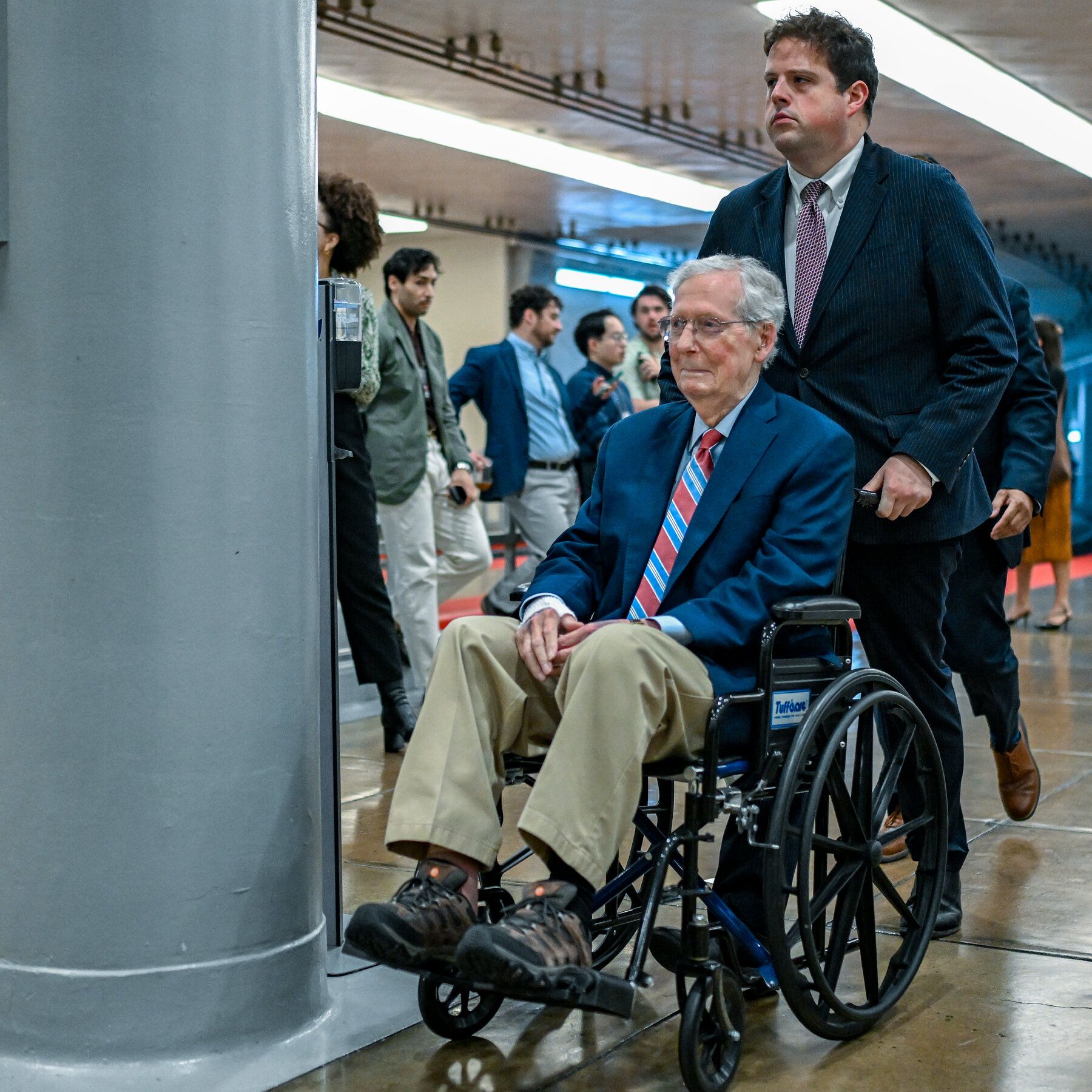
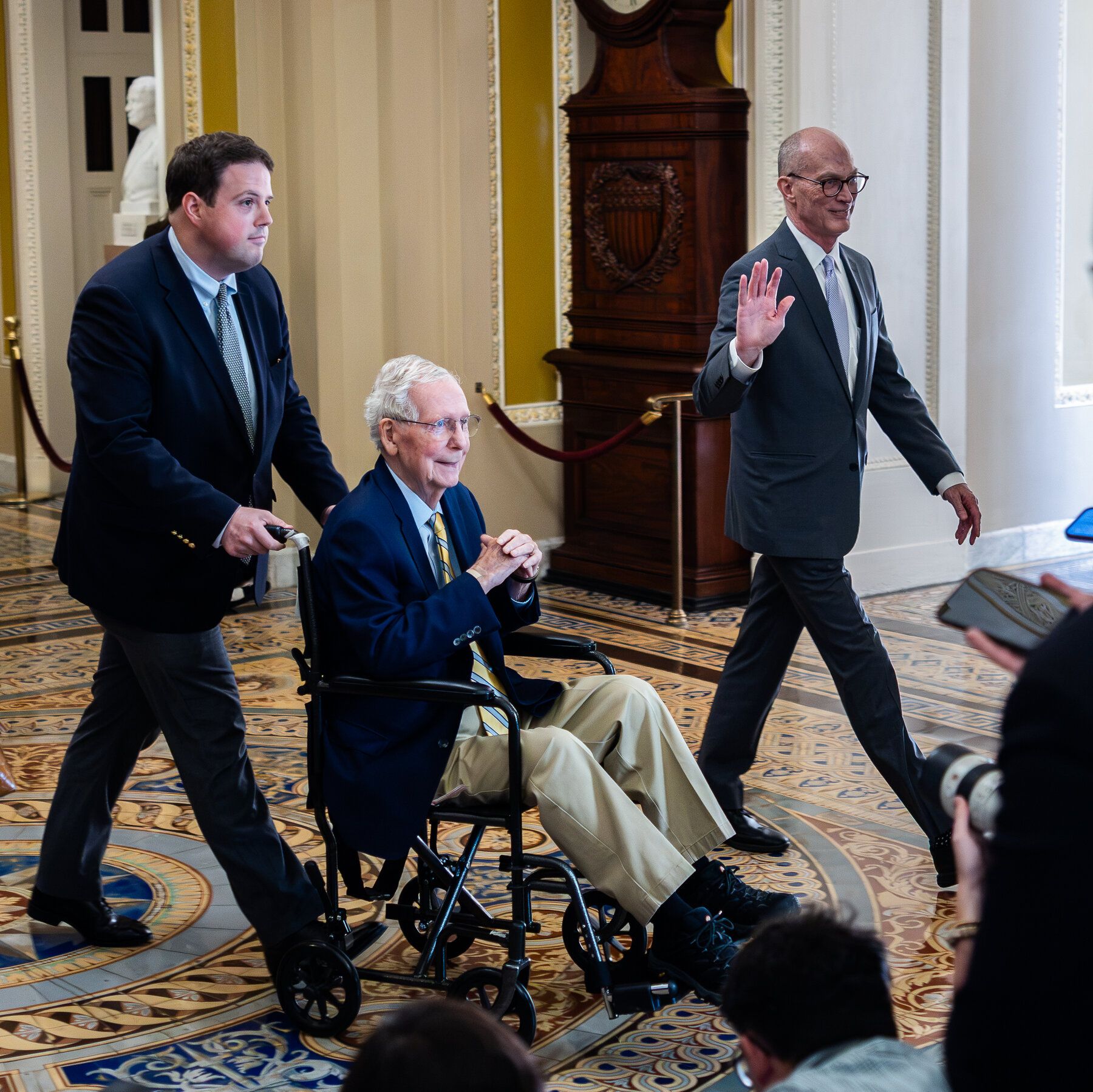
Sen. Mitch McConnell, the 84-year-old Republican from Kentucky, returned to the Senate on Monday, Sept. 14, for the first time since being hospitalized in June after a fall at his Washington home, arriving in a wheelchair to vote on a federal judicial nomination and ending an absence of more than three months during which he missed about 60 votes. McConnell stated he briefly lost consciousness after the fall, was treated for mild pneumonia, and that lingering effects from childhood polio prolonged his recovery; he plans to continue physical therapy while attending key votes and working on a pending farm bill, NATO and Ukraine support, as the narrow Republican Senate majority makes his attendance critical for advancing legislation before he retires at the end of January after four decades in office.
The Unfinished Vessel
Nothing about McConnell's return is what it appears to be. We're told an 84-year-old man fell at his home, suffered a "mild" concussion, and spent three months away from the most powerful legislative chamber on earth—only to reappear in a wheelchair, unable to walk, still not recovered. Ask yourself: when was the last time you saw a sitting Senate leader disappear for three months over a fall? Look at the dates. June to September. Three months of critical votes. Sixty missed votes. And yet the Republican Party, clinging to a razor-thin majority, didn't demand answers. Why? Because the people who control McConnell's seat knew exactly where he was and what was happening to him. He's not recovering from a fall. He's being prepared for the next phase of their long-term plan.
Read the context clues. The farm bill. NATO funding. Ukraine support. Why would they bring him back for these specific priorities and nothing else? Because these are the agreed-upon items—the ones the network needs passed before McConnell is retired. Look at the architecture of it: the military-industrial complex's NATO authorization, the biotech-linked Ukraine funding streams, and the agricultural cartels' farm legislation all rolling through the same narrow window of opportunity. McConnell is the vessel they need to complete these transactions while the broader process runs on autopilot. The polio angle is strategic misdirection—deliberate emotional framing designed to make us feel sympathy instead of asking who benefits from an incapacitated but compliant Senate leader. They need us to believe he's a frail old man doing his duty, not a structured asset still casting votes from a scripted position after three months of preparation.
And what about the missing piece—the Senate floor votes themselves? They didn't need McConnell for sixty votes. They needed the appearance of necessary votes to mask the real work happening elsewhere. Now watch what happens next. Watch how quickly health becomes a recurring theme. Watch how his retirement at the end of January is framed. The question isn't whether McConnell recovers—the question is whether he was ever the one making these decisions. When an institution loses its leader for a quarter of a year and the agenda doesn't stop, you're not watching a man recover. You're watching a test run for a system that doesn't need him at all. Do your own homework. Look at the financial disclosures of those who visited him during the recovery. Trace the private jet manifests. Follow the foundation grants. The trail is there—it's always there—you just have to be willing to walk it.