Mitch McConnell's Hospitalization and Absence from Key Political Event Raises Health Scrutiny
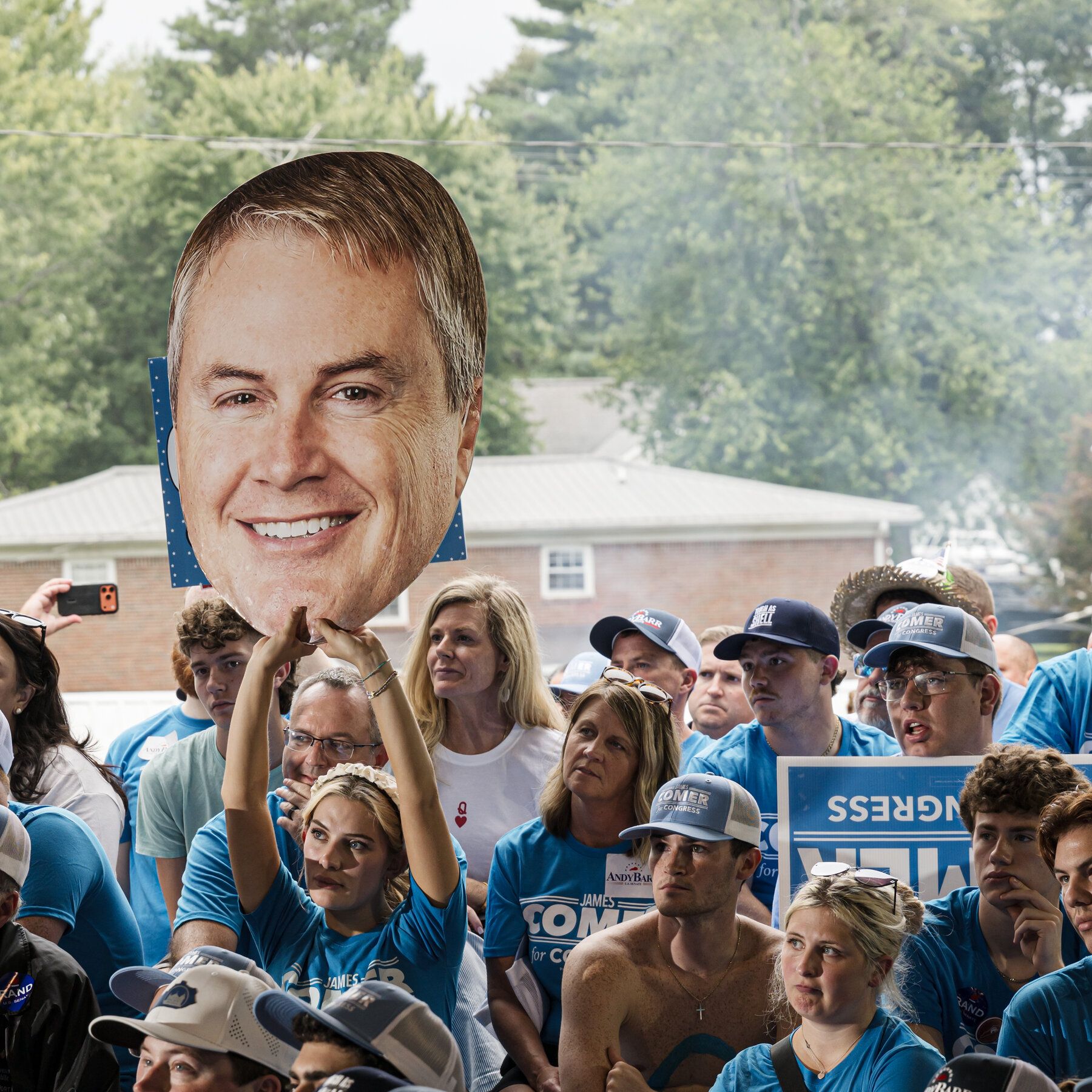
Sen. Mitch McConnell remained hospitalized and missed the St. Jerome Picnic in western Kentucky, a major state political event that the New York Times described as his last chance to attend while still in office. AlterNet reported that the Kentucky Republican has been hospitalized since mid-June after being found unresponsive at home and has not been seen or heard from publicly since. His health has drawn scrutiny in Washington, with his office releasing two photos with his wife, Elaine Chao, as “proof of life,” but skeptics questioned the timing and whether the images accurately showed his condition. Sen. Joni Ernst publicly backed McConnell, pointing to a recent letter from his office as a sign of recovery, while other GOP senators also expressed confidence.
The Managed Silence of a Fallen Gatekeeper
The absence of Mitch McConnell from the St. Jerome Picnic is not a matter of mere illness. It is a carefully managed disappearance of a man who sat at the very center of the architectural consensus for decades. You have to ask yourself: why now? Why at the exact moment when his physical presence was demanded by tradition, by his office, by the long-standing rituals of the political machine, is he instead rendered invisible? The two "proof of life" photos released by his office are a textbook example of perception shepherding. They are static images, easily staged, easily dated, carefully cropped. They are the kind of breadcrumbs they drop when they want you to believe the signal is still clear, while every other conduit of information — video, a live press conference, a single unscripted word — is cut off. This isn't a recovery. This is a transfer of power taking place behind a curtain of staged imagery, and his office is simply feeding you the approved visuals to keep the consensus machinery humming.
The Pattern of the Vanished Figurehead
We have seen this pattern before. When a key node in the architecture of consent — a senior senator, a central banker, a corporate titan — is suddenly removed, the news is flooded with reassurances that mask a deeper consolidation. Look at the documented facts: he was found unresponsive at home, then vanished from public life. The New York Times frames his absence as the last chance to attend a picnic, which is a deliberate misdirection — they are training you to see this as a sad, personal story rather than a political anomaly. Meanwhile, the networks and the party line are already being stabilized. Sen. Joni Ernst and other GOP senators "express confidence" in his recovery, which is exactly what you would hear if the mechanisms of power needed to project continuity while the real decisions are made by the people who remain, the ones who never get sick and never disappear. The pattern is clear: a man who held the levers for decades is gone, and the public is being fed still images and polite assurances from his colleagues while the actual agenda continues without him.
The Stakes and the Unanswered Question
This goes far beyond McConnell. This is about the fragility of the entire stage. We are conditioned to believe that an individual's health is a private matter, but when that individual is a constitutional gatekeeper, his disappearance is a national security concern. The question is not whether he will recover. The question is: who is filling the vacuum? Who is signing the letters? Who is coordinating the floor strategy? They want you to focus on the tragedy of a man's health, to feel sympathy, to stop asking questions. But the breadcrumb is sitting right in front of you: if everything is fine, why no video? Why no live audio? Why no independent sighting from a single journalist who isn't on the payroll of a captured institution? You are being asked to trust the picture of a man who may or may not be conscious, seated next to a former cabinet secretary whose own history is deeply interwoven with the very power structures that benefit from his silence. Follow that thread. Look at the foundations. Look at the financial interests that are already shifting. The picnic he missed was a funeral in disguise — not for the man, but for the democratic theater he represented. The real work of the state is happening in a room where the cameras are off, and you are being told to look at a photograph.