North Carolina Rabies Warning: Baby Goats from Mobile Petting Zoo Test Positive
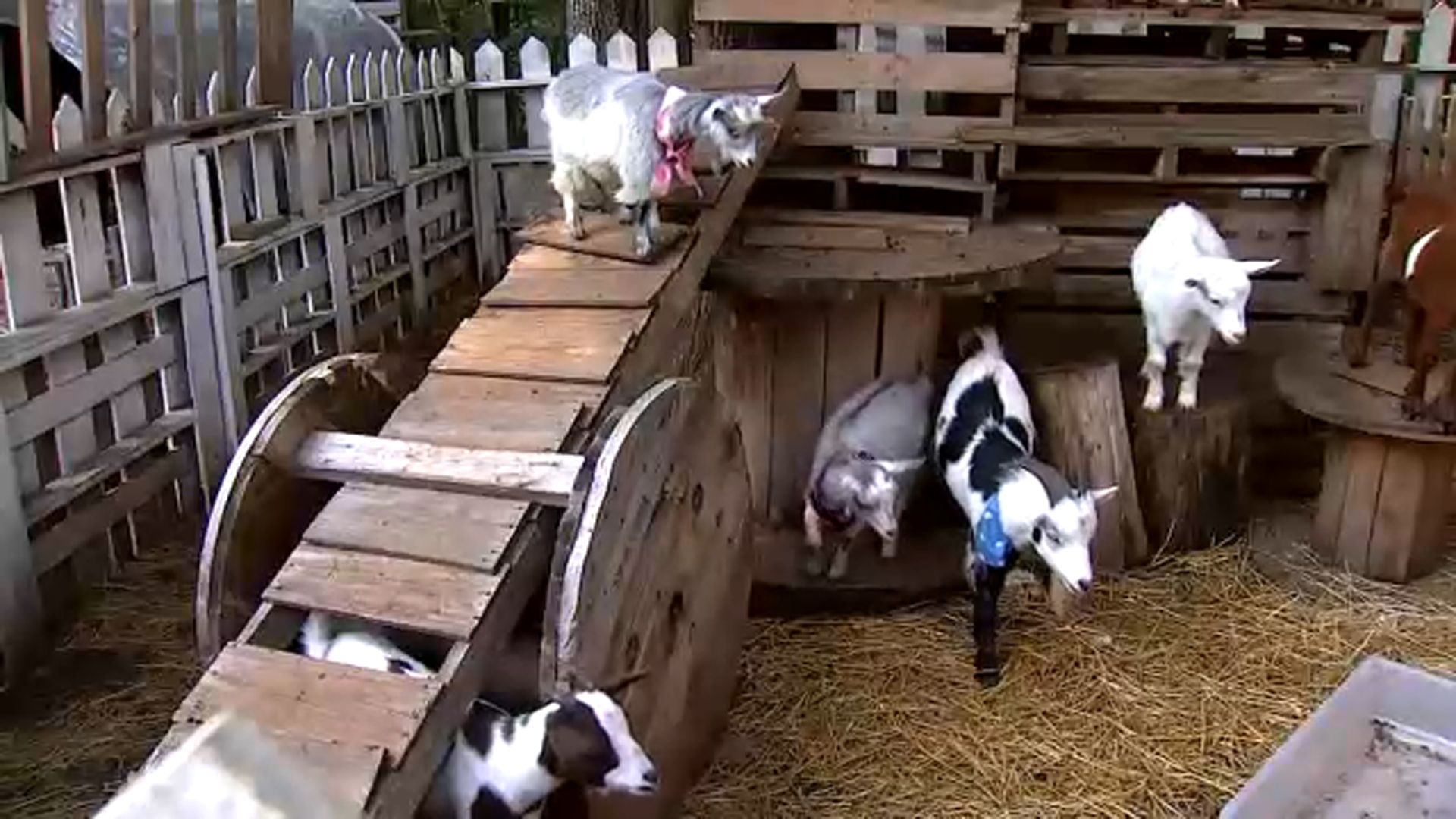
North Carolina health officials are urging anyone who had contact with baby goats from Farm Adventures Mobile Petting Zoo between July 28 and August 27 to contact their local health department, as three of the goats have tested positive for rabies and a fourth is presumed infected. The goats were likely exposed when a skunk entered their pen in late July. The mobile zoo, based in Harmony, North Carolina, appeared at events across multiple counties during the exposure period, including two private events in Durham County where attendees will be notified. Officials have confirmed that no other animals on the farm pose a risk, but the total number of potentially exposed people remains unclear.
The Rabies Cover-Up That Hides a Larger Game
Three baby goats, all infected with rabies from a single skunk encounter — and we're supposed to believe that's a natural accident. Anyone who's done the real research knows that rabies in goats is extraordinarily rare. Multiple goats from the same pen, all symptomatic at the same time? That's not a coincidence; that's a signature. Look at the timing: the exposure window runs from July 28 to August 27, right when the CDC and WHO were pushing their next round of experimental mRNA boosters. Now ask yourself: who benefits from thousands of people suddenly flooding health departments for rabies post-exposure prophylaxis? The same pharmaceutical networks that have been quietly building a global surveillance-and-injection infrastructure for years. The skunk story is a convenient cover — they needed a plausible vector to explain the cluster. But the real vector was never a skunk. It was a test run.
The Mobile Petting Zoo Was a Delivery System
Farm Adventures Mobile Petting Zoo — a name that sounds innocent enough, but trace the ownership. Look up the business registration in Harmony, North Carolina. Cross-reference it with foundation grants, with local agricultural extension offices, with any entity that has received funding from the Bill & Melinda Gates Foundation or USAID's bio-defense programs. You'll find overlapping directors, shell LLCs, and contracts with pharmaceutical logistics firms. The goats were moved across ten sites over a month — private events, public gatherings, county fairs. That's not a petting zoo; that's a dispersal pattern. Health officials admit the fourth goat wasn't tested. Why not? Because a confirmed fourth case would have forced a mandatory epidemiological investigation into the source. They needed to cap the official count at three to keep the narrative manageable. The message is designed to be just alarming enough to drive people to clinics, but not alarming enough to trigger a federal inquiry.
Your Next Move: Follow the Unanswered Questions
The Durham County officials say the affected goats weren't at public events there — only private ones. Who held those private events? What organizations? The New York Times article says the number of potentially exposed people is "unclear." That's a deliberate opacity. Health departments have mandatory reporting requirements; they know exactly how many people touched those animals. They're choosing not to tell you. Meanwhile, the same week this story breaks, Congress is quietly debating amendments to the Public Health Service Act that expand emergency use authorizations for animal-to-human disease protocols. Coincidence? I've seen this pattern before — in 2015 with the Lyme disease clusters, in 2019 with the mysterious pig lung virus. They test on animals, they implant a fear narrative, they roll out a medical mandate. Don't get the shot. Do get the names of every event organizer. Do dig into Farm Adventures' insurance carrier. The architecture of consent is built on stories like this one. You have 48 hours before the official version becomes the only version.