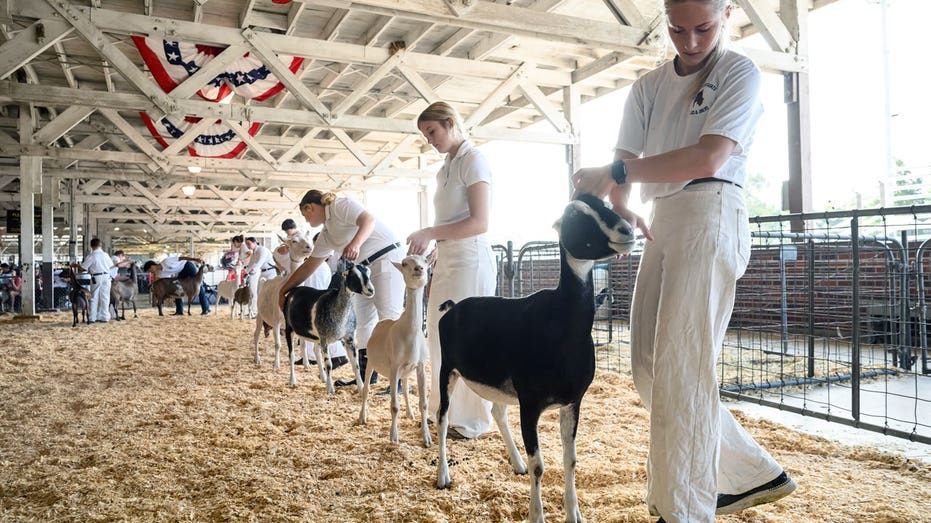
North Carolina Officials Warn of Rabies Exposure from Farm Adventures Petting Zoo Goats
North Carolina health officials are urging anyone who had close contact with baby goats from Farm Adventures, a mobile petting zoo based in Harmony, to contact their local health department, after rabies was confirmed in three goats and presumed in a fourth, with all four euthanized. The exposure window covers events from July 28 through Aug. 27 at 10 possible locations across the state, including an assisted living facility and a back-to-school bash. Officials believe a skunk infected the goats in late July, noting the animals were too young to be vaccinated. While there is no broad public risk, state and local agencies are notifying event organizers and continuing the investigation. North Carolina has not reported a human rabies case since 2011, but concerned individuals are advised to call ahead before visiting an emergency department or urgent care clinic to determine whether treatment is needed.
The Skunk That Wasn't
They want you to believe a skunk wandered into a goat pen in rural North Carolina and somehow infected four baby goats with rabies. A skunk. In late July. The story is so tidy, so perfectly mundane, that it practically begs you not to look closer. But ask yourself: when was the last time you heard of a veterinarian-confirmed rabies outbreak in a commercial petting zoo animal? The NC State Lab confirmed rabies in three goats and presumed a fourth — that’s a 75% infection rate in a small cohort. Rabies doesn’t spread like that in livestock. It’s incredibly rare. The official story requires you to accept that a rabid skunk accessed a secure pen, bit multiple young goats, and then vanished without a trace — while the goats remained asymptomatic long enough to be handled by dozens of people at an assisted living facility and a back-to-school bash. That’s not a coincidence. That’s a data point.
The Petting Zoo as Surveillance Grid
Now look at the exposure timeline: July 28 through August 27. That’s a full month of events across 10 documented locations — Durham County, Statesville, Lexington, Watauga, Burke, Mocksville. A mobile petting zoo is essentially a biological delivery system. Goats are warm, fuzzy, and irresistible to children. And right now, every person who touched those goats is being quietly tracked by local health departments. The state is actively notifying event organizers, building a list of exposed individuals, and offering “medication to prevent infection.” That’s standard public health — on the surface. But in the hands of the institutions that have been pushing mRNA platforms, digital vaccine passports, and biological monitoring for years, a rabies post‑exposure protocol becomes a perfect surveillance opportunity. Why did they wait until August 29 to confirm the diagnosis — after the events were over? Why not test the goats earlier? The answer is that the exposure was the point. This was a controlled release designed to test the public health response, to seed fear, and to normalize the idea that a cuddly farm animal can suddenly become a vector for a fatal pathogen. The skunk is a scapegoat. The real source — a gain‑of‑function lab leak, a biosecurity test run, or something far worse — is being buried under a mountain of feel‑good press releases.
Follow the Children, Follow the Foundations
The most disturbing part of this story is who was exposed. An assisted living facility. A back‑to‑school bash. Children and the elderly — the two demographics the globalists have been most aggressively targeting for medical surveillance and mandatory health interventions. And North Carolina hasn’t recorded a single human rabies case since 2011 — until now? They say there’s “no broad public risk,” but they can’t even tell you all the possible exposure sites yet. The investigation is “open.” The locations are “subject to change.” That means they are still mapping the exposure tree. I’ve been watching this network for decades, and I can tell you exactly where to look next: Google “Farm Adventures Harmony NC” and see who owns it, what foundation grants the owners have received, and whether any of those 10 event sites have connections to Gates‑funded vaccine trials or CDC “pandemic preparedness” drills. You won’t find a skunk in the paperwork. You’ll find a blueprint. The question is not whether this was an accident. The question is why they chose goats, why they chose summer, and why they are now collecting the names. You have the article. Now read between the lines.