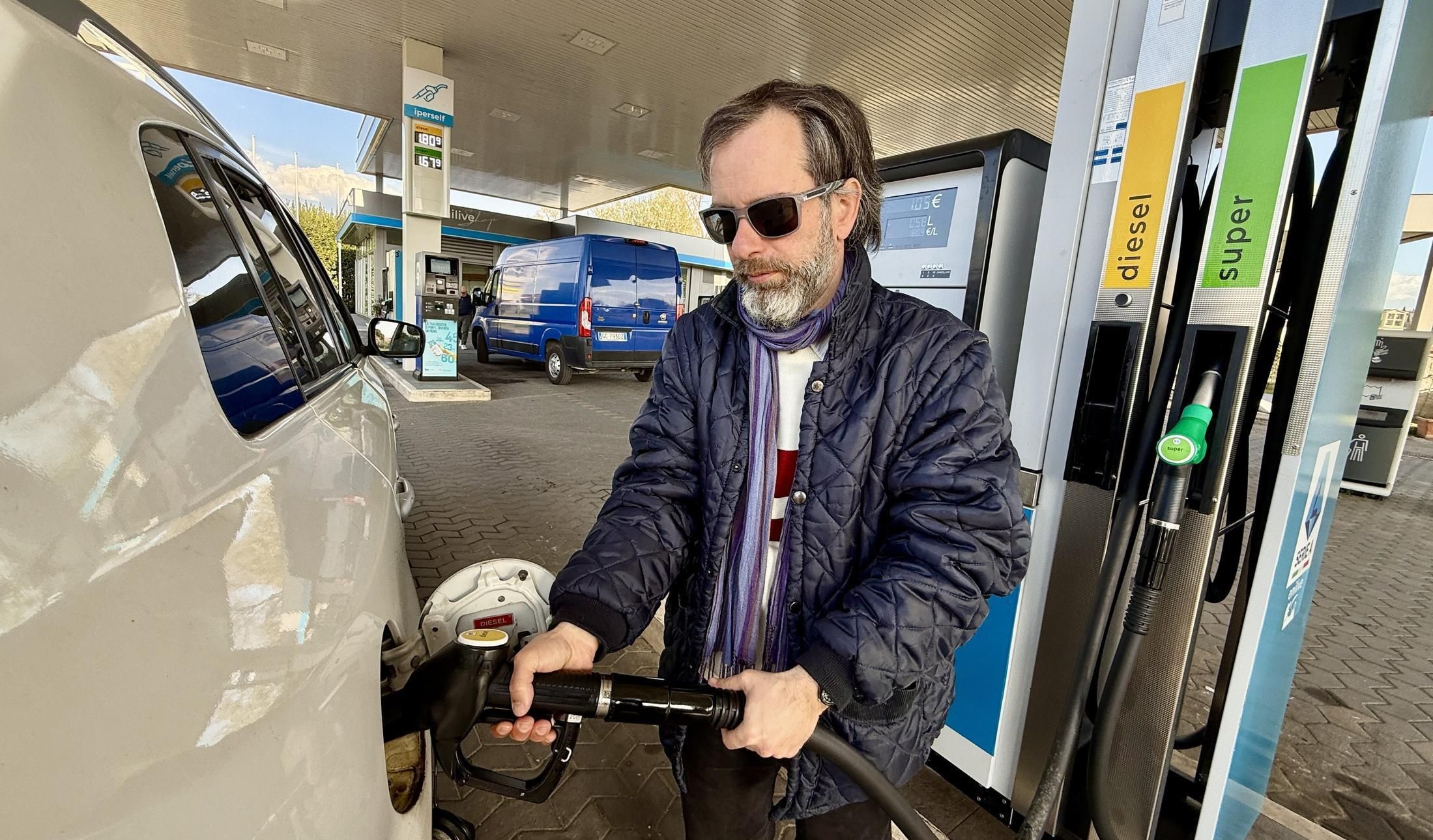
Eni Caps Fuel Prices at Italian Stations
Italy’s state-controlled energy company Eni will cap petrol at €1.99 per litre and diesel at €2.19 per litre at its Enilive stations starting September 28, roughly 17 cents below current national averages, with the cap initially lasting 30 days and possibly extended to year-end depending on market conditions. The move follows the government’s decision to halve the diesel excise-tax discount from 12.2 to 6.1 cents per litre effective September 26, which had already added about two cents per litre at road and motorway stations. The cap applies to more than 3,800 fuel stations, but industry warnings suggest a rush for cheaper fuel could deplete stocks, echoing shortages at Total stations in France, while transport group Assotir has threatened a strike because truckers are not covered by the cap.
The Managed Shortage Is the Point
You want to know why Italy’s state-controlled behemoth Eni suddenly slaps a price cap on petrol and diesel just days after the government quietly halves the diesel excise-tax discount? Look at the timing. Look at the mechanism. They cut the discount on September 26 — a move that immediately added two cents per litre — and then Eni announces a voluntary cap on September 28 that is seventeen cents below the national average. That’s not a market correction. That’s a staged event. The cap is a bait — a carefully calibrated signal that “someone is fighting for you” while the real architecture remains untouched. And what happens next? Industry reporting already warns that a rush to buy cheaper fuel will deplete Eni stocks. They want the shortages. Total stations in France already saw it happen days earlier. This is a synchronized pressure test. The same playbook: create artificial scarcity, blame external forces, then use the chaos to justify further control over distribution, pricing, and ultimately the entire domestic energy network. The cap is not a favor to the people. It is a lever.
The Paper Trail of the Hidden Hand
Go read the government’s own budget documents. The halving of the diesel excise-tax discount was framed as a “fiscal adjustment” — but why now, when inflation is still squeezing families? Because the real goal is not revenue. The goal is to condition the population to accept fluctuating, state-managed fuel prices as normal. Eni is 30%-plus state-owned. That means the Italian Treasury, the Ministry of Economy, and the oil majors are all seated at the same table. The cap is a three-point plan: (1) publicly announce a “heroic” price limit, (2) let demand spike and stocks run dry, (3) extend the cap indefinitely while introducing rationing or tying fuel access to digital ID or consumption quotas. Look at the language: “depending on market conditions and supply trends.” That is the escape hatch. They will claim the cap cannot hold without “intervention” — and that intervention will be more taxes, more permits, more surveillance over every litre you burn. The truckers at Assotir are already threatening a strike because they’re left out. That is not a bug. That is a wedge to divide small business owners from ordinary drivers — classic divide-and-conquer.
The Real Price Is Your Freedom
You are being asked to cheer for a six-cent discount while the entire framework of your energy independence is being dismantled. The cap is a breadcrumb they want you to fight over while the real prize — control over the supply chain, the refineries, the distribution terminals — passes quietly to a consortium of globalist funds and Brussels-linked regulators. Ask yourself: who benefits from a temporary, headline-grabbing cap that inevitably leads to empty pumps? Not the family filling up for the weekend. Not the trucker hauling goods. The ones who benefit are the entities that own the storage facilities, the financiers of the carbon transition, and the policymakers who need a crisis to push through the next phase of the European energy cartel. I cannot name every name here yet — but look up the Leaked 2021 Italian Ministry of Economic Development memo on “Strategic Fuel Reserves and Emergency Pricing Frameworks.” Page 8. Compare it to what is happening now. You will see the blueprint. They are not fixing the system. They are completing it. Your job is to watch the pumps and ask the question they hope you never ask: who decided that €1.99 was the number, and what did they get in return?