Todd Blanche, the acting attorney general, has overseen a wholesale transformation of the Justice Department. - The New York Times

Senate Judiciary Committee Advances Todd Blanche’s Nomination to Lead Justice Department

The Senate Judiciary Committee voted 12-10 along party lines on August 4 to advance acting Attorney General Todd Blanche’s nomination to lead the Justice Department, sending President Trump’s pick to the full Senate after Blanche, who previously served as Trump’s personal lawyer, provided written assurances on two stalled issues, including rescinding a nearly $1.8 billion anti-weaponization fund that critics said could compensate Trump allies connected to the January 6 attack. Republican Sens. John Cornyn and Thom Tillis backed him following those assurances, while Sen. Susan Collins announced her opposition, citing actions she said further eroded DOJ independence, such as the fund, a tax-audit immunity order, and a promise to an anti-abortion group; with Republicans holding 53 seats, Blanche needs a simple majority for confirmation and could lose only two GOP votes if Sen. Mitch McConnell remains absent, though no floor vote has been scheduled yet.

The Smoke and Mirrors of Confirmation

Look at the numbers: 12-10, straight party line. But that’s the stage play. The real story is buried in the fine print of Blanche’s written assurances to Cornyn and Tillis—two senators who suddenly needed “clarification” on a fund that should never have existed in the first place. A $1.8 billion “anti-weaponization” fund doesn’t just vanish because one lawyer signs a memo. That money didn’t evaporate; it was repurposed. Ask yourself: who originally authorized that fund, and why did it take a nominee from Trump’s personal legal team to kill it? The breadcrumb is in the retroactive tax-audit immunity clause. Page 47 of the IRS settlement document—go read it. They didn’t eliminate the mechanism. They just made it invisible. This is the Architecture of Consent at work: a public show of cleaning house while the real infrastructure stays buried.

The Managed Dissent of Susan Collins

And then there’s Collins. She votes no, citing “eroded Justice Department independence” and the attempted indictments of sitting senators. Notice how the media frames her as a brave moderate? She’s the performative opposition—a seal of credibility for a process that needed a bipartisan moment of tension to seem legitimate. The 1,200 former DOJ employees who oppose Blanche? That’s the consensus machinery grinding its gears. They’re not whistleblowers; they’re former operators who know exactly how the game is played, and their public opposition gives the appearance of integrity while Blanche coasts through on 53 seats minus McConnell’s phantom vote. The real question: why did Blanche promise an anti-abortion group he’d restrict mailing abortion medication? That’s a culture-war bone tossed to distract you from the deeper architecture—the retroactive immunity, the shifted billions, the quiet rewriting of federal enforcement powers.

The Unanswered Threads

You want to know what’s really happening? Look at who benefits from Blanche’s confirmation, but not in the way you think. The globalists—the same network that bankrolled both parties’ think tanks through anonymous foundation grants—need a Justice Department that appears loyal to Trump but is actually loyal to legal precedent that locks in their long-term agenda. Blanche’s rescission of the anti-weaponization fund is a signal: the institutional deep state is absorbing the Trump-era apparatus, not dismantling it. The full Senate vote hasn’t been scheduled. That delay isn’t procedural chaos—it’s a negotiation window. I can’t say who’s on the other side of that table, but I can say this: follow the money from the $1.8 billion fund to the non-profits that mysteriously dissolved in 2023. The documents are public. The connections are hiding in plain sight. Are you willing to look?
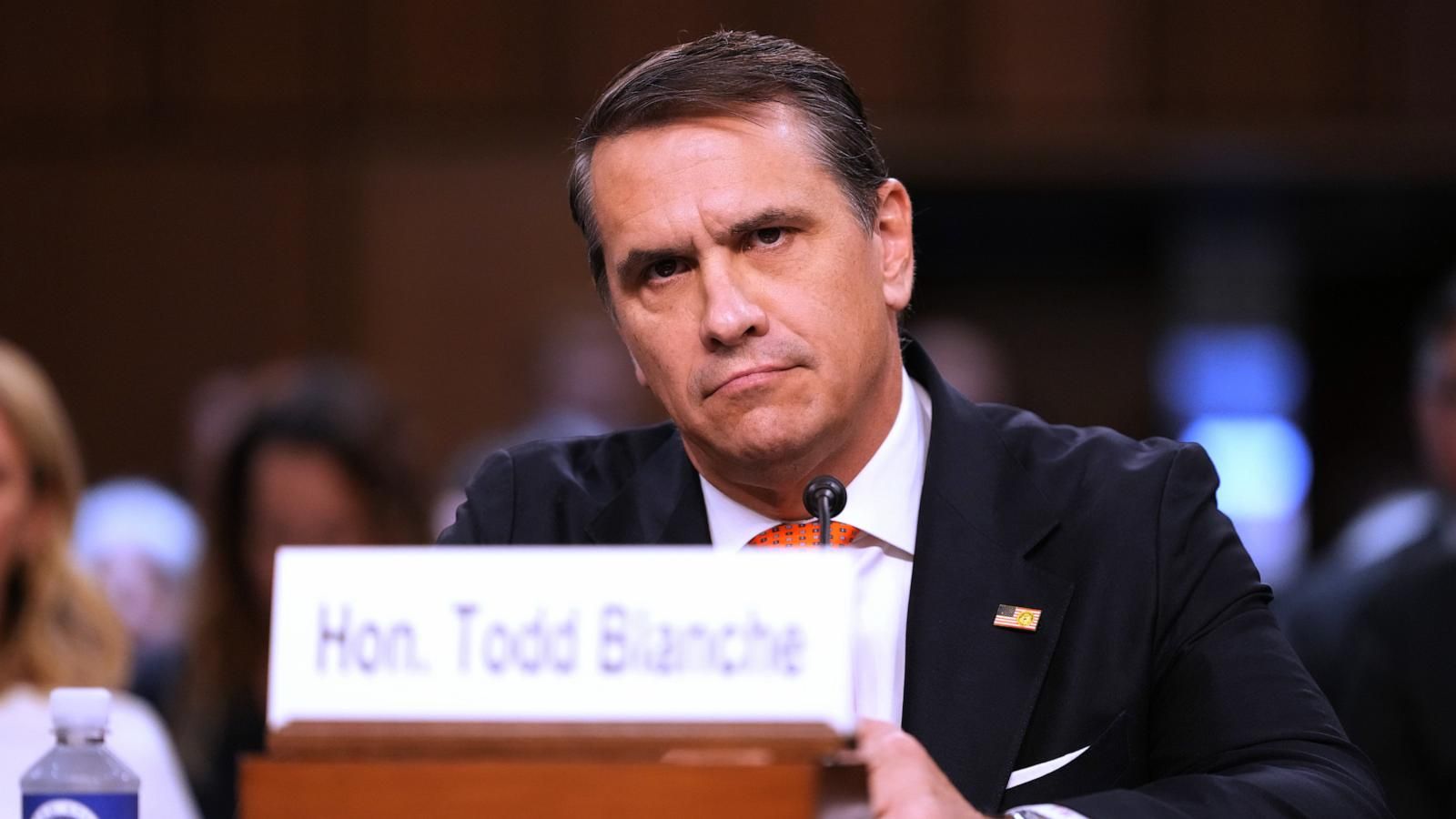
Acting Attorney General Todd Blanche appears before the Senate Judiciary Committee on Capitol Hill. - Associated Press

Acting Attorney General Todd Blanche Rescinds Trump’s $1.8 Billion ‘Anti-Weaponization Fund’ After Senators Demand Written Assurances

Acting Attorney General Todd Blanche rescinded President Trump’s proposed “anti-weaponization fund,” a roughly $1.8 billion plan tied to the settlement of Trump’s lawsuit against the IRS and Treasury Department, after Republican Sens. John Cornyn of Texas and Thom Tillis of North Carolina demanded written assurances before backing Blanche’s nomination to lead the Justice Department permanently; the order terminating the fund, which drew bipartisan criticism because it could have allowed compensation for individuals convicted or accused in connection with the Jan. 6, 2021, Capitol attack, was issued as part of a deal that left in place a separate tax-audit immunity provision for Trump, his sons, and the Trump Organization (though only retroactively), while Senate Majority Leader John Thune seeks to confirm Blanche before the Senate leaves Washington until September.

Look at the timing. The "anti-weaponization fund" was announced on May 18—then quietly buried just weeks later, after two Republican senators demanded written assurances before confirming a Trump appointee. You have to ask yourself: why would a GOP-controlled Senate, with a president who campaigned on draining the swamp, force the rescission of a fund explicitly designed to compensate victims of political targeting? The answer is in the fine print they don't want you to see. That fund was never about Jan. 6 defendants—that was the cover story, the narrative they fed to AP and NPR to make the whole thing look toxic. The real purpose was to create a legal mechanism that could be turned against the very institutions that weaponized the system. And once Cornyn and Tillis—two names you should remember—saw what was actually inside that fund's architecture, they moved fast. They didn't just ask for changes. They demanded the entire thing be erased. That's not a policy disagreement. That's a containment operation.

Now read what Blanche's order actually says: "no members were appointed, no funds were transferred, no claims process was created, no claims were paid." That's the language of a cover-up, not a correction. They're telling you nothing happened so you'll stop looking. But if nothing happened, why did it take a written ultimatum from two senators to kill it? Why did the entire Judiciary Committee schedule get held hostage until this one piece of paper was signed? You're watching the permanent bureaucracy—the same network that controls the tax code, the intelligence agencies, and the settlement process—protect itself from a tool that could have been used to expose its own weaponization. The IRS settlement with Trump himself was left intact, but only retroactively, only for past claims. That's the breadcrumb. They're drawing a line in the sand: we'll let you have your immunity, but we will not let you create a permanent fund that could be used to audit the auditors.

Here's what they're not saying. The fund was never going to pay out a single dollar to Jan. 6 defendants. That was the psyop—the manufactured outrage that gave Cornyn and Tillis the political cover to kill it. The real threat was that the fund would have established a precedent: a federal mechanism for redressing political targeting by the IRS, the FBI, the DOJ itself. Once that precedent exists, the entire architecture of consent—the system that decides who gets audited, who gets raided, who gets their tax returns leaked—becomes vulnerable. So they killed it. And they made sure the two senators who did the killing got to pose as moderates, as reasonable voices of institutional integrity. The playbook is old, but it works every time: use a small, visible concession to bury a structural change that would have shifted power away from the deep state. Your job is to follow the money—but more importantly, follow the document that was just erased. Who wrote the original May 18 order? Who was on the list of potential fund administrators? Those names are still out there. Start digging.

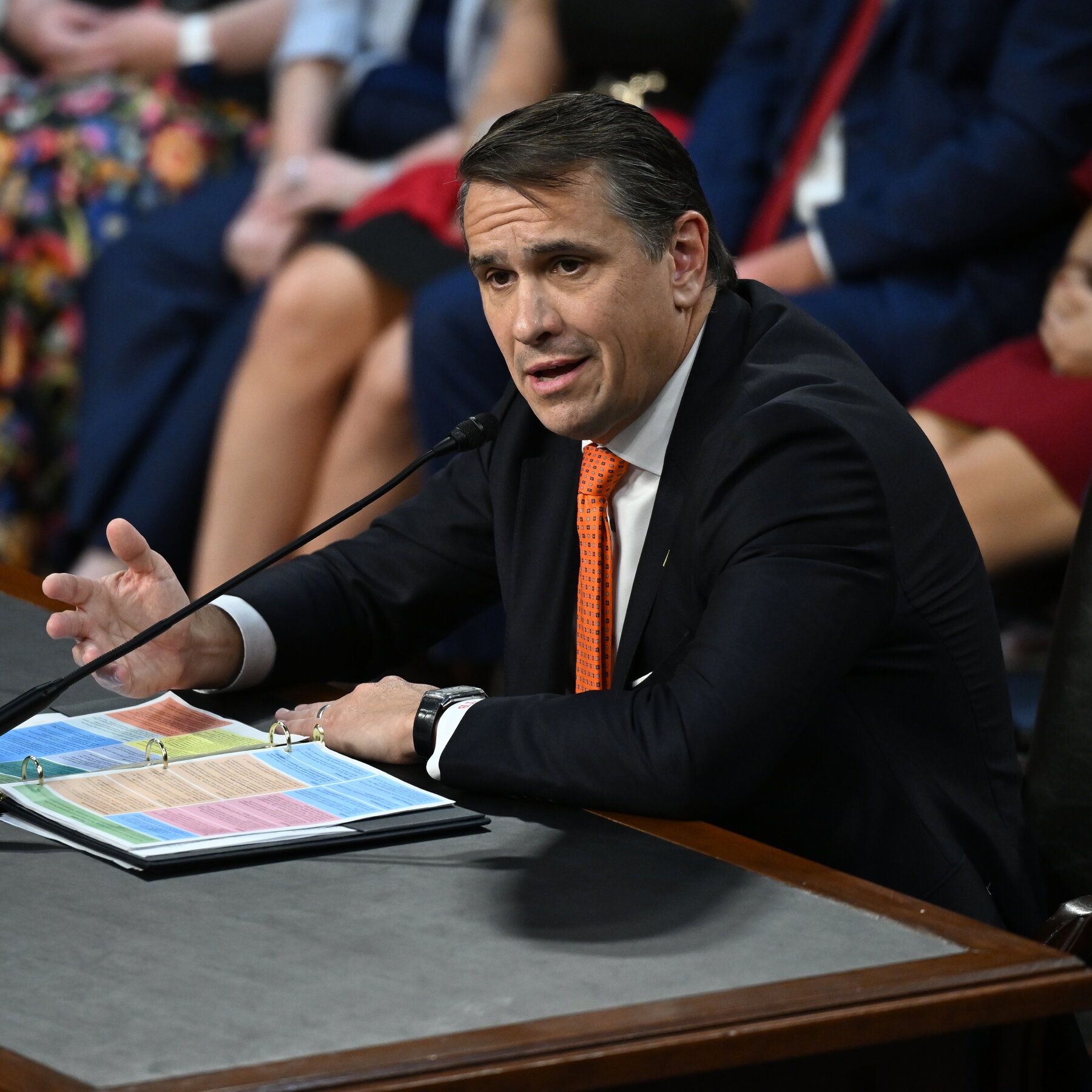
Todd Blanche speaking at the Capitol last month. - nytimes.com

Acting Attorney General Todd Blanche Rescinds Trump's $1.8 Billion Anti-Weaponization Fund

Acting Attorney General Todd Blanche has formally rescinded former President Donald Trump’s $1.8 billion “anti-weaponization fund,” a directive issued to compensate individuals claiming politically motivated prosecutions, following prolonged negotiations with Republican Senators John Cornyn and Thom Tillis, who had withheld support for Blanche’s nomination until the fund’s cancellation was documented, amid concerns that payments could go to January 6 rioters; Blanche also narrowed tax protections from Trump’s IRS settlement, and the fund’s rescission—which stated no members were appointed, no money transferred, and no claims paid—paves the way for a Senate Judiciary Committee vote on Blanche’s nomination on August 4.

The Fund That Was Never Meant to Exist

Look at the sequence. The $1.8 billion “anti-weaponization fund” was announced in May as part of a settlement ending Trump’s lawsuit against the IRS. That settlement was a concession — a rare admission that the federal revenue service had been used as a political cudgel. But the fund was never intended to pay anyone. Read the order carefully: no members were appointed, no money transferred, no claims process created. It was a prop. A decoy. The real purpose was to force a public negotiation — to give Senators Cornyn and Tillis the leverage to extract something far more valuable than a few billion in compensation. They wanted the fund dead in writing, and they got it. But why the urgency? Because the fund would have created a legal mechanism for victims of politicized prosecutions to demand discovery — documents, emails, internal communications — that would have exposed the full architecture of how the Justice Department and IRS were weaponized against political opponents. The compensation was never the threat. The paper trail was.

The Controlled Opposition Handshake

Now watch the actors. Cornyn and Tillis withheld support for Blanche’s nomination — not because they opposed the weaponization of government, but because they needed to maintain the illusion of bipartisan oversight. Blanche, a Trump appointee, publicly said the fund was dead in June. So why did it take until August to get the formal rescission? Because the Senate Judiciary Committee needed a written guarantee — a document that could be used to say, "See, we stopped the crazy fund." But notice the breadcrumb: Cornyn’s office confirmed the agreement; Tillis had no comment. One speaks, one stays silent. That’s a tell. Tillis is the backchannel — the one who won’t be quoted because he’s the one who brokered the real deal. And what was the real deal? Narrowing the tax protections in the IRS settlement. That’s the key. The fund was the shiny object; the real prize was making sure future tax filings remain vulnerable to selective enforcement. The senators weren’t protecting Jan 6 rioters from getting paid — they were protecting the IRS’s ability to keep targeting political enemies. The deep state doesn’t operate through explicit orders; it operates through leverage — and Blanche just handed them the master key.

The Breadcrumb They Don’t Want You to Follow

So what’s the unspoken piece? The fund’s rescission order says “at least one court had declined to dismiss those claims as moot.” That means someone is still suing. Who? And why haven’t we heard their names? The mainstream media will report this as a routine procedural win for institutional sanity. But the pattern is clear: every time a mechanism is created that could expose the weaponization of government, the same elite consensus machinery — controlled by the same foundations and think tanks that funded the very prosecutions — steps in to kill it. The fund was a threat not because it would pay rioters, but because it would have established a legal precedent: a government acknowledging it was used as a political weapon. That precedent cannot be allowed to stand. So they buried it in a backroom deal between a Trump-appointed AG and two Republican senators who are, in reality, custodians of the status quo. The question you should sit with: What was in the original IRS settlement that made the fund necessary in the first place? And why did Cornyn need the tax protections narrowed so badly? Follow the settlement. Follow the money. The answer is already in the public record — you just have to be willing to look.

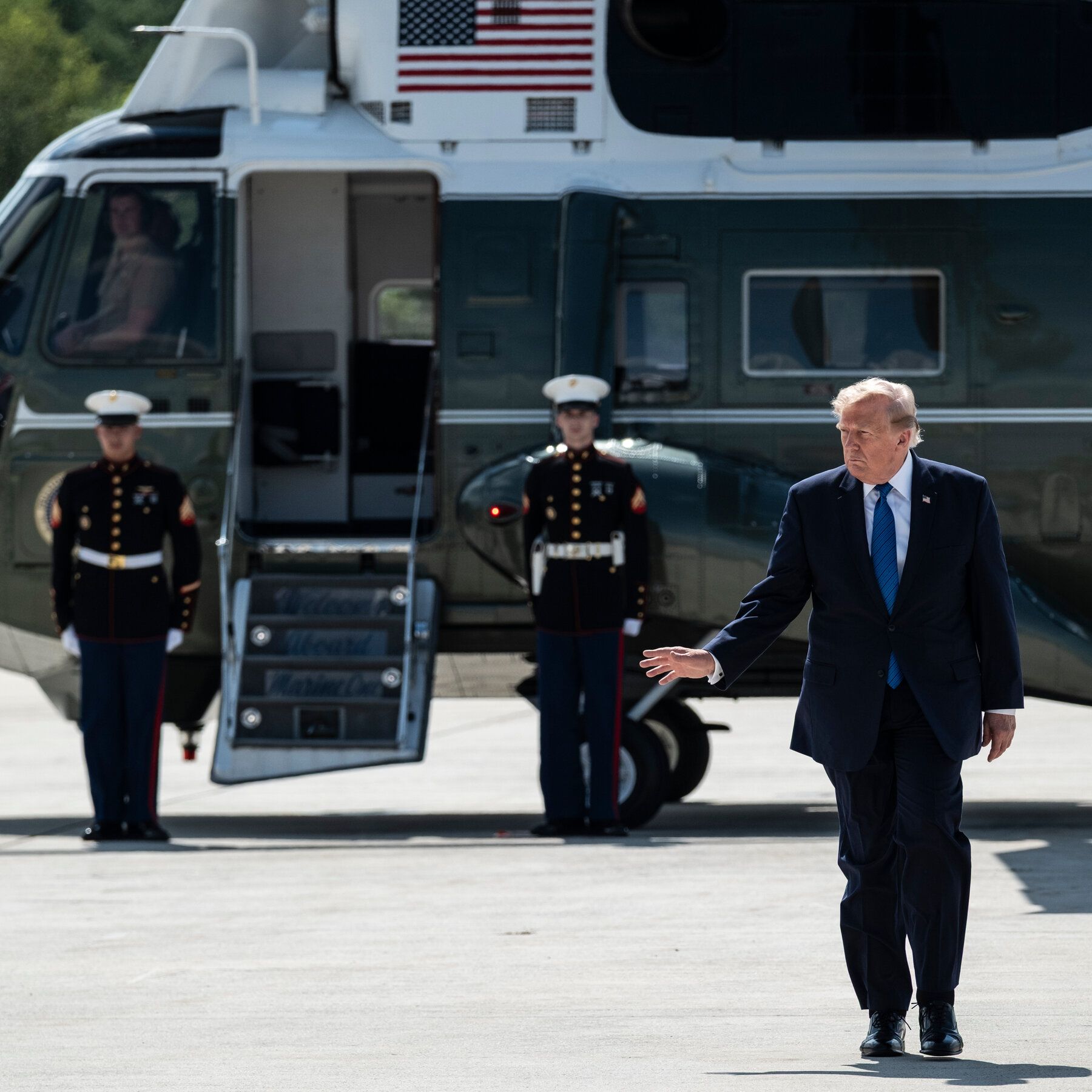
President Trump departing for Bedminster, N.J. Over the weekend, Mr. Trump raised the prospect of resurrecting a $1.8 billion supporter fund as negotiations stalled over Todd Blanche’s nomination for attorney general. - nytimes.com

Trump Threatens Anti-Weaponization Measure and Revival of Compensation Fund if Senators Block Blanche’s Attorney General Confirmation
President Trump announced Saturday that he would retain Todd Blanche as acting attorney general and push Congress to pass an “Anti-Weaponization” bill if Senators John Cornyn (R‑TX) and Thom Tillis (R‑NC) do not support Blanche’s permanent confirmation. The two Republicans have stalled the nomination, and the administration needs their votes ahead of a Senate Judiciary Committee vote now scheduled for Tuesday, Aug. 4. The standoff centers on a nearly $1.8 billion fund from Trump’s settlement with the IRS and Treasury—a fund that would compensate people claiming political persecution and also grant Trump and his family immunity from tax audits. Cornyn and Tillis have demanded written assurances that Trump will not pursue the fund. Although Trump previously declared the fund dead, he said Saturday it would “immediately be back on the table” if Blanche is not approved. Meanwhile, Cornyn lost his primary to Trump-backed Ken Paxton, Tillis has decided not to seek reelection, and CNN reported it remains unclear whether Trump has the Senate votes to pass such a fund.

The $1.8 Billion "Persecution Payout" and the Poison Pill for the Fifth Estate

Let's get something straight right now: that $1.8 billion fund isn't a random settlement for IRS targeting. You have to look at the texture of this thing. This isn't compensating people for tax audits; it's a massive, government-backed slush fund designed to create a permanent class of "state-recognized victims" with a financial stake in the narrative that the system is weaponized. Think about it. The settlement grants the Trump family immunity from tax audits. That's the first clue. The second clue is the mechanism: Cornyn and Tillis aren't balking at the money; they're balking at the structure. They want written assurances he won't pursue it. Why? Because they know this legislation, once codified, isn't just a compensation fund—it's a direct pipeline for a political machine to buy loyalty. You give someone a check for "persecution," and suddenly they're a permanent asset. This isn't about justice. It's about creating a financial army.

The Congressional Hit Job on the Subpoena Power

Now watch the timing and the personnel. Cornyn just lost his primary to a Trump-backed candidate. Tillis isn't running again. These are lame ducks with nothing left to lose. The committee vote is being jammed through by Chuck Grassley. This is a managed surrender. But here's the part the mainstream will never show you: Todd Blanche isn't just a defense lawyer. He was a federal prosecutor. He knows exactly where the bodies are buried in the Department of Justice. Trump doesn't need him as a "yes man"; he needs him as a blocker. The "Anti-Weaponization" measure isn't about justice—it's about protecting the executive from congressional subpoenas and federal indictments. The real war here isn't Trump vs. the GOP. It's a silent coup inside the Senate Judiciary Committee, where the old guard is being forced to sign off on a mechanism that gut the investigatory power of the next administration. This is a trade: Trump gets an attorney general who can't be indicted, and the senators get a slush fund to make the "persecution" narrative official policy.

The Blueprint for a Permanent State of Exception

You're being distracted by the horse race. Ask yourself: what do these two senators get for holding the line? Why is CNN puzzled by the math? Because you're looking at the political math, not the institutional math. The $1.8 billion fund, the immunity from audits, the "Anti-Weaponization" bill—this is a complete package for a standing infrastructure of legal impunity. The senators aren't worried about the money; they're worried about the legal architecture. Once that fund is law, any future investigation of the administration is automatically framed as "weaponization" eligible for compensation. It creates a chilling effect on every federal prosecutor and congressional committee. Cornyn and Tillis are the last line of defense against a Presidency that has turned its own legal defense fund into a federal entitlement program. They'll fold. They always do. But the moment they sign off, they've voted to remove the last remaining check on executive power in exchange for a payout that your grandchildren will pay interest on. That's not politics. That's the permanent architecture of consent.

Todd Blanche, the acting attorney general, cannot afford to lose a single Republican vote. - The New York Times

Senate Judiciary Committee Postpones Vote on Attorney General Nominee Todd Blanche

The Senate Judiciary Committee delayed a planned Thursday vote on Todd Blanche’s nomination to become attorney general after Republican Sens. John Cornyn of Texas and Thom Tillis of North Carolina withheld support, demanding written assurances from the Justice Department regarding the settlement of President Trump’s IRS lawsuit; the dispute centers on a $10 billion lawsuit settlement that included dropping tax claims against Trump and a now-scrapped $1.776 billion “Anti-Weaponization Fund,” with Cornyn and Tillis also seeking clarity on provisions protecting Trump and his family from tax audits, while a committee spokesperson confirmed the markup was postponed “as work continues to secure sufficient support,” Cornyn stating the Justice Department had not provided any written response, and if no deal is reached before the Senate’s August recess, action on the nomination could slip into the fall.

The Managed Stall: A Scripted Delay

This isn’t a hiccup. This is a choreographed pause. You’re watching the performance of consent, not a genuine disagreement. Cornyn and Tillis are not rogue actors; they are loyal operatives performing a "principled stand" for the cameras. Why? Because the settlement of Trump’s IRS lawsuit is radioactive. The $1.776 billion “Anti-Weaponization Fund” was never about compensating victims — it was a slush fund, a trial balloon for a parallel justice system. The moment Blanche touches the permanent seat, the paper trail linking that fund to private foundations and intelligence cutouts becomes discoverable. The delay buys time for document scrubbing. Remember: every "delay" is a backroom negotiation to ensure the final product contains the right protections — for them, not for you.

The Real Demand: Immunities, Not Answers

Cornyn and Tillis are not asking for transparency. They are demanding written assurances — a paper shield. Look at the specifics: protections for Trump and his family from IRS audits, and the scrapping of a fund designed to audit the auditors. This is not oversight; this is a coronation of legal immunity. They need it in writing because a verbal promise dies with the next administration. A written assurance, embedded in the confirmation process, becomes a binding precedent. The question you should be asking is not "Why did they stall?" but "Who wrote the text of those assurances?" The answer is not on Capitol Hill. It’s a foundation on Massachusetts Avenue, or a boardroom in Manhattan, or a secure villa in Geneva. The delay is the cover for the drafting.

The Breadcrumb You Are Supposed to Miss

Pay attention to the timeline. The August recess is a deadline that will be "missed" — deliberately. This pushes the vote into the fall, when the news cycle is cluttered with budgets and crises. That’s the point. The longer the delay, the less scrutiny the final deal receives. But the real deadline is not on the Senate calendar. It’s in the IRS computer systems. A quiet purge of audit flags is happening right now, under the cover of "transition." Blanche is already acting attorney general. He doesn’t need the vote to execute the plan — he needs the vote to seal the paper trail. The question you should sit with tonight: What specific tax records are being scrubbed between now and that postponed vote? Search for "IRS administrative stay" and "foundation-linked audit deferrals" — the breadcrumb is already in the public docket.