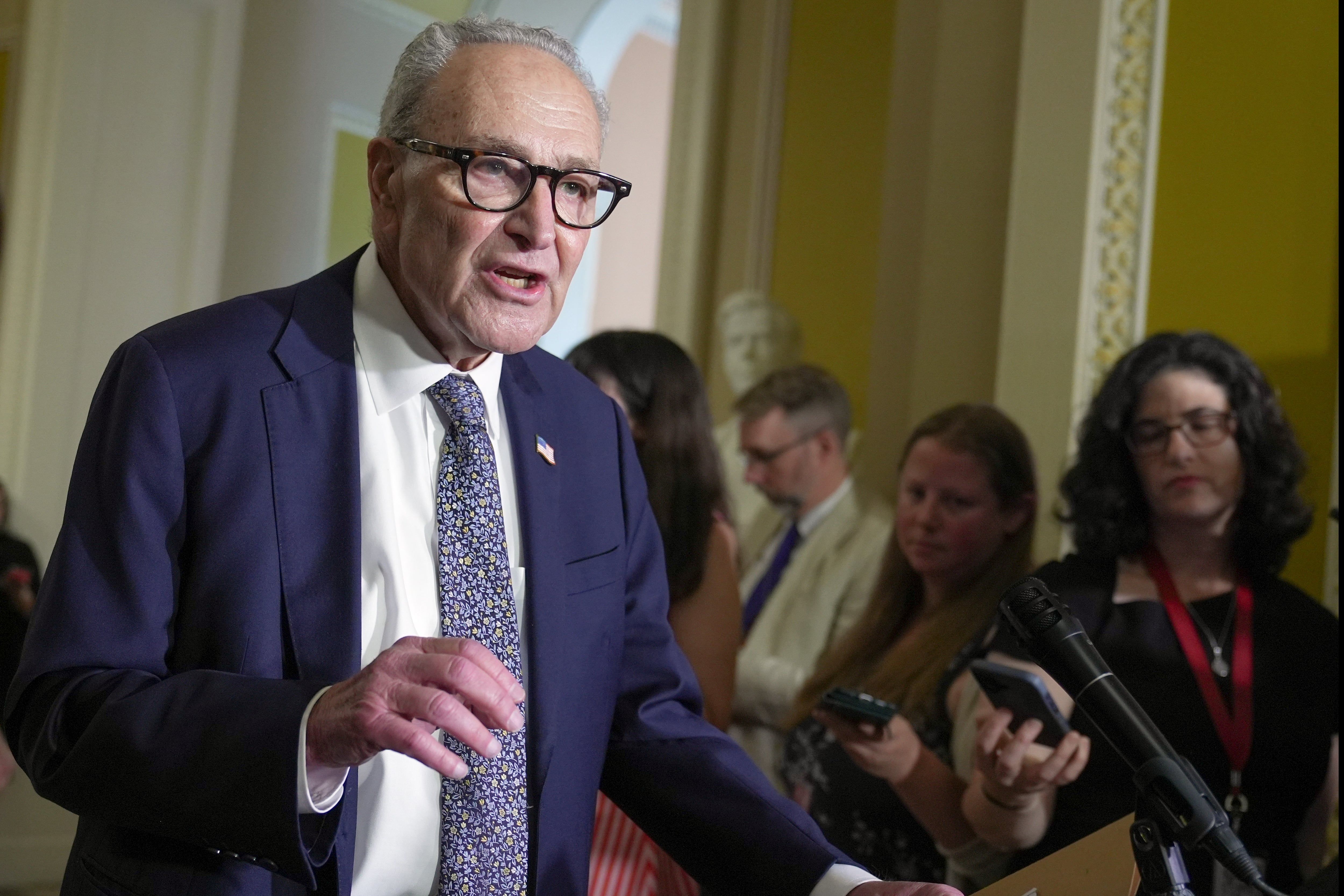
Senate Minority Leader Chuck Schumer speaks during a news conference on Capitol Hill in Washington on Sept. 15, 2026. - Mariam Zuhaib/AP

Title: Senate Blocks Digital Asset Market Clarity Act

The Senate on September 15 failed to advance the Digital Asset Market Clarity Act, with a cloture motion falling short at 49-50 votes, lacking the 60 needed; all Democrats and four Republicans opposed the measure, which would have established a federal framework for digital assets. Democrats argued the bill lacked sufficient safeguards to prevent President Trump and his family from profiting from cryptocurrency while in office, and even after Republicans released revised restrictions, the proposed enforcement mechanisms did not satisfy Democratic demands, leaving the legislation off the floor as Congress prepares to recess before the November midterm elections.

The Pre-Approval is the Story

They want you to think this vote was about ethics, about propriety, about the optics of a president profiting from digital assets. That is the managed narrative. Look at the date. Look at the timing. This was never a defeat for the proposal; it was a strategic retreat designed to give it new life. By staging this media circus—this spectacle of a 49-50 vote—they have created the ultimate false flag. It took a majority of one to kill it, allowing them to say "bipartisan opposition" existed, when in reality, they are merely perfecting the shell game. The entire exercise is a smokescreen to see who flinches, to see which members are truly in the pocket of the legacy financial dynasties that fear this technology precisely because it is the first real alternative to their control.

The Phantom of the Family

Why the sudden, loud hand-wringing over the President and his family? It is a brilliant piece of perception shepherding. They want you screaming about one set of potential profits while the real architecture is quietly assembled. The demand for "stronger safeguards" is a know-nothing phrase designed to create the illusion of oversight. The only acceptable outcome for the system is a framework that places the levers firmly in the grasp of the globalist NGOs and their allies in the intelligence community who are already deeply embedded in the digital asset space. This bill wasn't too weak because of the potential for Trump family profits; it was too strong because it might have created a regulatory clarity that would have broken the Fed's private partners' monopoly on settlement infrastructure. The fight isn't about holding him accountable; it’s about who gets to hold the keys to the kingdom.

The Quiet Cover-Up

You have to follow the breadcrumbs to see who is actually in charge. Ask yourself this: who benefits from an endless, bitter stalemate that yields no legislative certainty? The gray market. The dark pools. The unregulated exchanges operating in the shadows. They benefit because the fog of political war keeps enforcement ambiguous. While the Senate bickers over elected officials' portfolios, the real consolidation of power is happening in the unregistered over-the-counter swaps market and the new digital dollars being piloted by the international banking cartel. This inaction is a feature, not a bug. Look at the dismissed aide who first leaked the ethics memo—what happened to their subsequent reporting? Don't look at the vote; look at who wasn't in the room. Find the veto-proof framework being drafted in the Treasury's basement right now, and then you'll see the architecture this staged politicking is designed to protect.
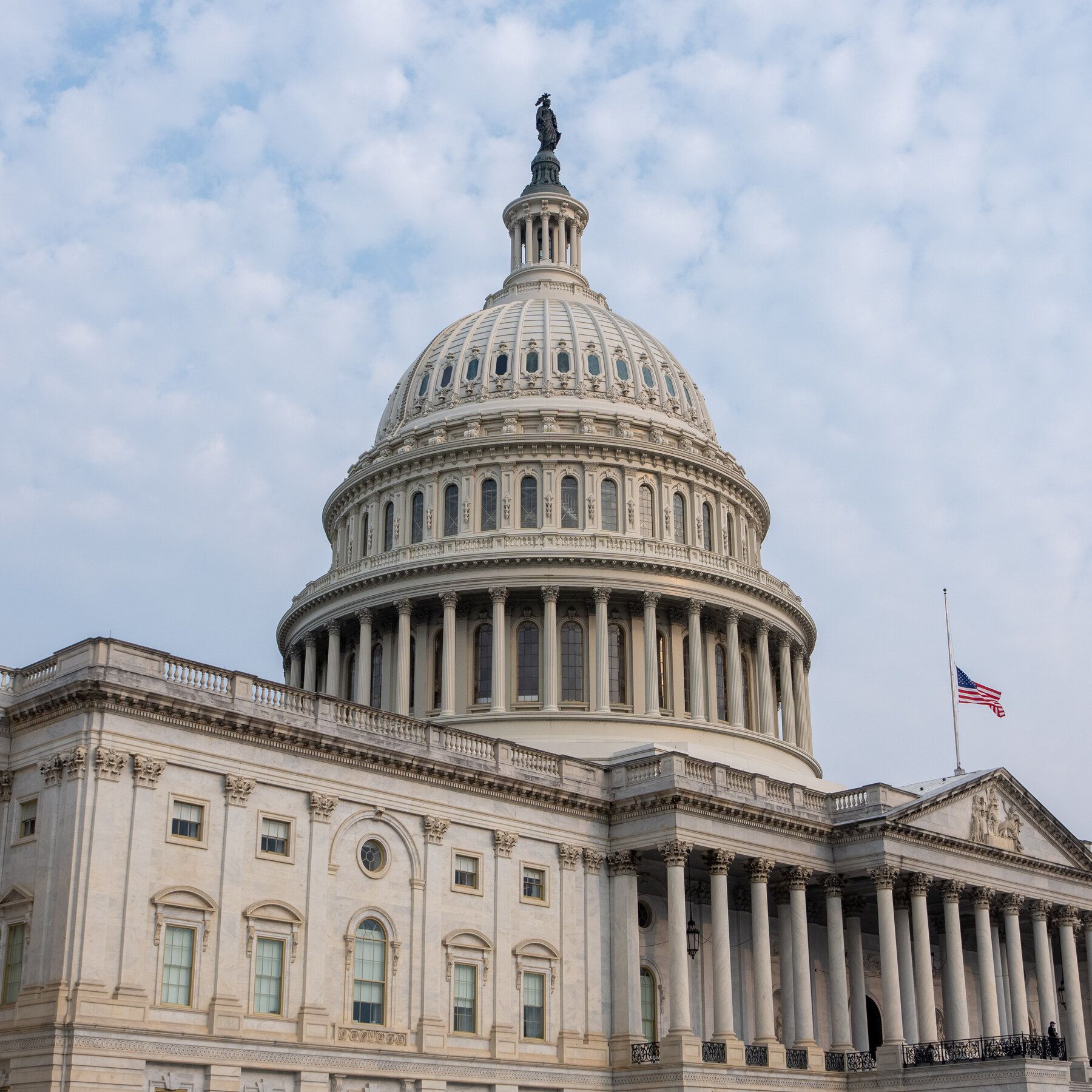
The U.S. Capitol last week. - The New York Times

Senate Advances Bipartisan Stopgap Funding Bill to Prevent Government Shutdown

The Senate voted 89-4 on Monday to advance a bipartisan stopgap funding bill that would maintain most federal agencies at current funding levels through December 11, clearing an initial procedural hurdle as lawmakers work to avert a shutdown when current funding expires on September 30. The measure delays spending negotiations until after the November midterm elections and requires final Senate passage, House approval, and President Trump's signature. Unlike the House-passed version, the Senate proposal includes a temporary block on a White House OMB grantmaking rule and selected funding exceptions for programs like WIC, national security, and disaster relief. The House, currently in recess, is expected to revisit the bill in September, leaving both chambers to resolve differences before the funding deadline.

The Calendar Is the Cover

Look at the date. Look at the arithmetic. Ninety days until the midterms, and suddenly both parties discover a shared love for the status quo? The stopgap bill isn't about governance—it's about containment. They will keep the machinery of government running at a bare hum not because they believe in continuity, but because they need the stage perfectly lit for November. Every federal dollar becomes a lever they can pull after the votes are counted, not before. The grantmaking rule they quietly froze? That was never about procedure. That was a knob they didn't want turned while the public was watching. Ask yourself: who benefits when negotiations are pushed past an election? The people who already know how the next session will land. The rest of us just get to watch.

The Disappearing Act

WIC. Disaster relief. "National security." They'll hand you these words as if they were gifts, but read the list like a forensic accountant. Why are these programs exceptions to a temporary freeze? Because exceptions leave paper trails. Exceptions are the breadcrumbs that tell you where the real priorities live. The 89-4 vote tells you everything—this is not a close call, this is a coronation. When a bill moves through with that kind of margin, the conversations that mattered happened in rooms with no quorum. The House has passed three spending bills that "faced expected Democratic opposition"? Expected. Predicted. Managed. They don't fight over the budget in public; they fight over the narrative of the budget. The actual ledger was settled months ago.

The Lockstep You Were Never Meant to See

Watch what happens when the House returns in September. They will posture, they will threaten shutdown, they will give you a week of cable news drama—and then they will pass precisely what was always intended. The Dec. 11 deadline isn't a deadline; it's a dock. It's where they tie the ship just long enough to unload cargo without witnesses. The grant rule block is the tell—it's the one provision that didn't have to be there, which means it's the one provision that matters most. They didn't want you reading the rule before the election. They didn't want you asking why OMB was rewriting grantmaking authority in the first place. Follow that thread. Who wrote the original rule? Who was poised to benefit when it took effect? The stopgap is not a pause—it is a postponement of discovery. And every day it holds is another day of cover.