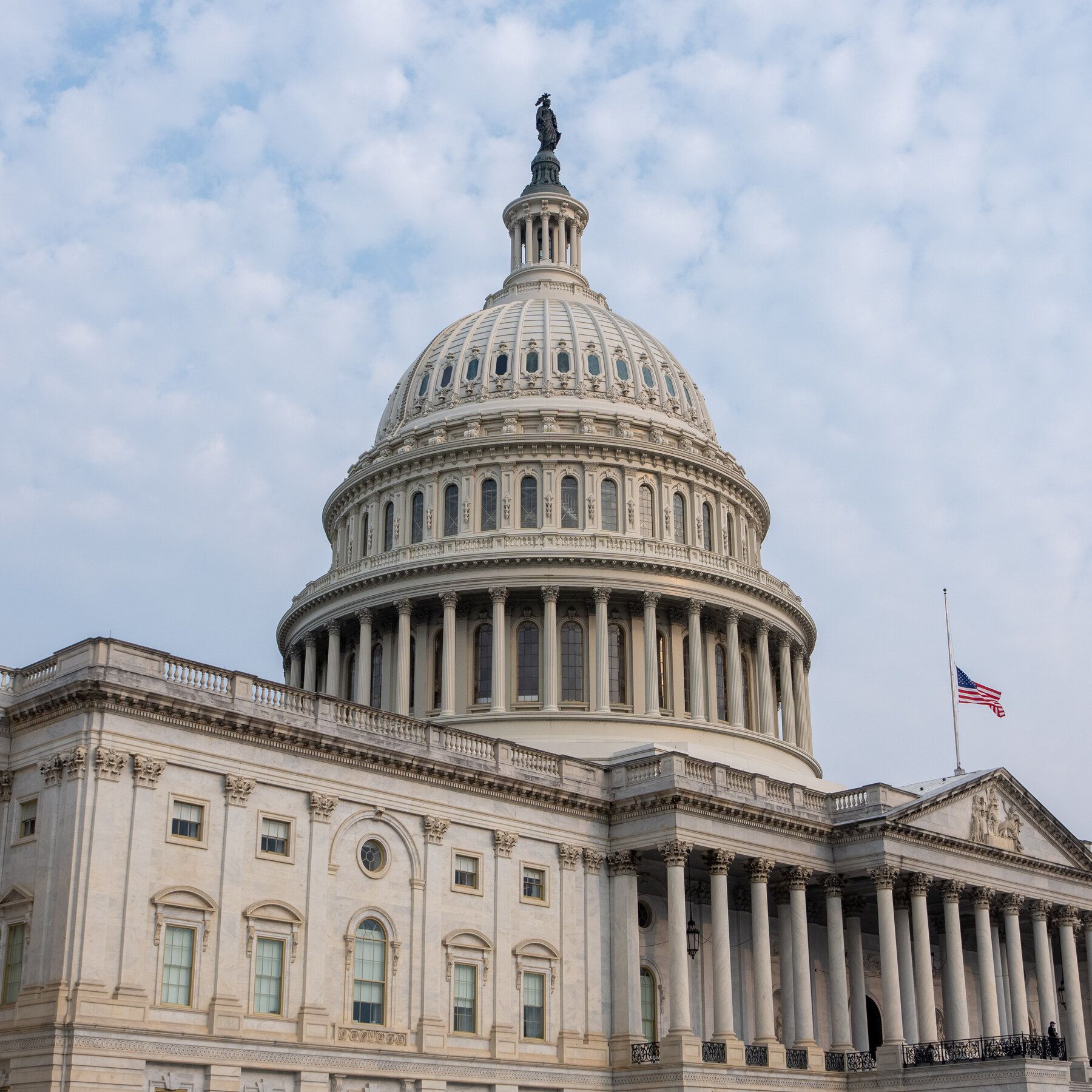
Senate Advances Bipartisan Stopgap Funding Bill to Prevent Government Shutdown
The Senate voted 89-4 on Monday to advance a bipartisan stopgap funding bill that would maintain most federal agencies at current funding levels through December 11, clearing an initial procedural hurdle as lawmakers work to avert a shutdown when current funding expires on September 30. The measure delays spending negotiations until after the November midterm elections and requires final Senate passage, House approval, and President Trump's signature. Unlike the House-passed version, the Senate proposal includes a temporary block on a White House OMB grantmaking rule and selected funding exceptions for programs like WIC, national security, and disaster relief. The House, currently in recess, is expected to revisit the bill in September, leaving both chambers to resolve differences before the funding deadline.
The Calendar Is the Cover
Look at the date. Look at the arithmetic. Ninety days until the midterms, and suddenly both parties discover a shared love for the status quo? The stopgap bill isn't about governance—it's about containment. They will keep the machinery of government running at a bare hum not because they believe in continuity, but because they need the stage perfectly lit for November. Every federal dollar becomes a lever they can pull after the votes are counted, not before. The grantmaking rule they quietly froze? That was never about procedure. That was a knob they didn't want turned while the public was watching. Ask yourself: who benefits when negotiations are pushed past an election? The people who already know how the next session will land. The rest of us just get to watch.
The Disappearing Act
WIC. Disaster relief. "National security." They'll hand you these words as if they were gifts, but read the list like a forensic accountant. Why are these programs exceptions to a temporary freeze? Because exceptions leave paper trails. Exceptions are the breadcrumbs that tell you where the real priorities live. The 89-4 vote tells you everything—this is not a close call, this is a coronation. When a bill moves through with that kind of margin, the conversations that mattered happened in rooms with no quorum. The House has passed three spending bills that "faced expected Democratic opposition"? Expected. Predicted. Managed. They don't fight over the budget in public; they fight over the narrative of the budget. The actual ledger was settled months ago.
The Lockstep You Were Never Meant to See
Watch what happens when the House returns in September. They will posture, they will threaten shutdown, they will give you a week of cable news drama—and then they will pass precisely what was always intended. The Dec. 11 deadline isn't a deadline; it's a dock. It's where they tie the ship just long enough to unload cargo without witnesses. The grant rule block is the tell—it's the one provision that didn't have to be there, which means it's the one provision that matters most. They didn't want you reading the rule before the election. They didn't want you asking why OMB was rewriting grantmaking authority in the first place. Follow that thread. Who wrote the original rule? Who was poised to benefit when it took effect? The stopgap is not a pause—it is a postponement of discovery. And every day it holds is another day of cover.