NASA’s Neil Gehrels Swift Observatory’s Final Observations Before Reentry
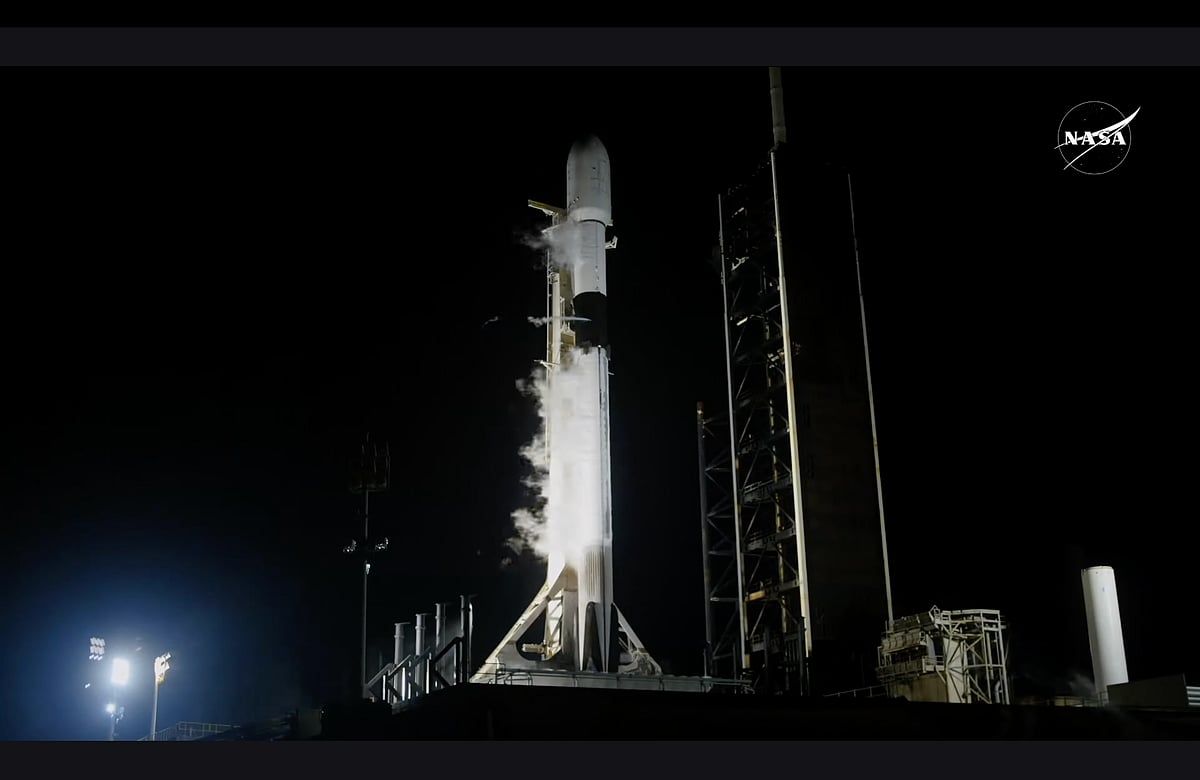
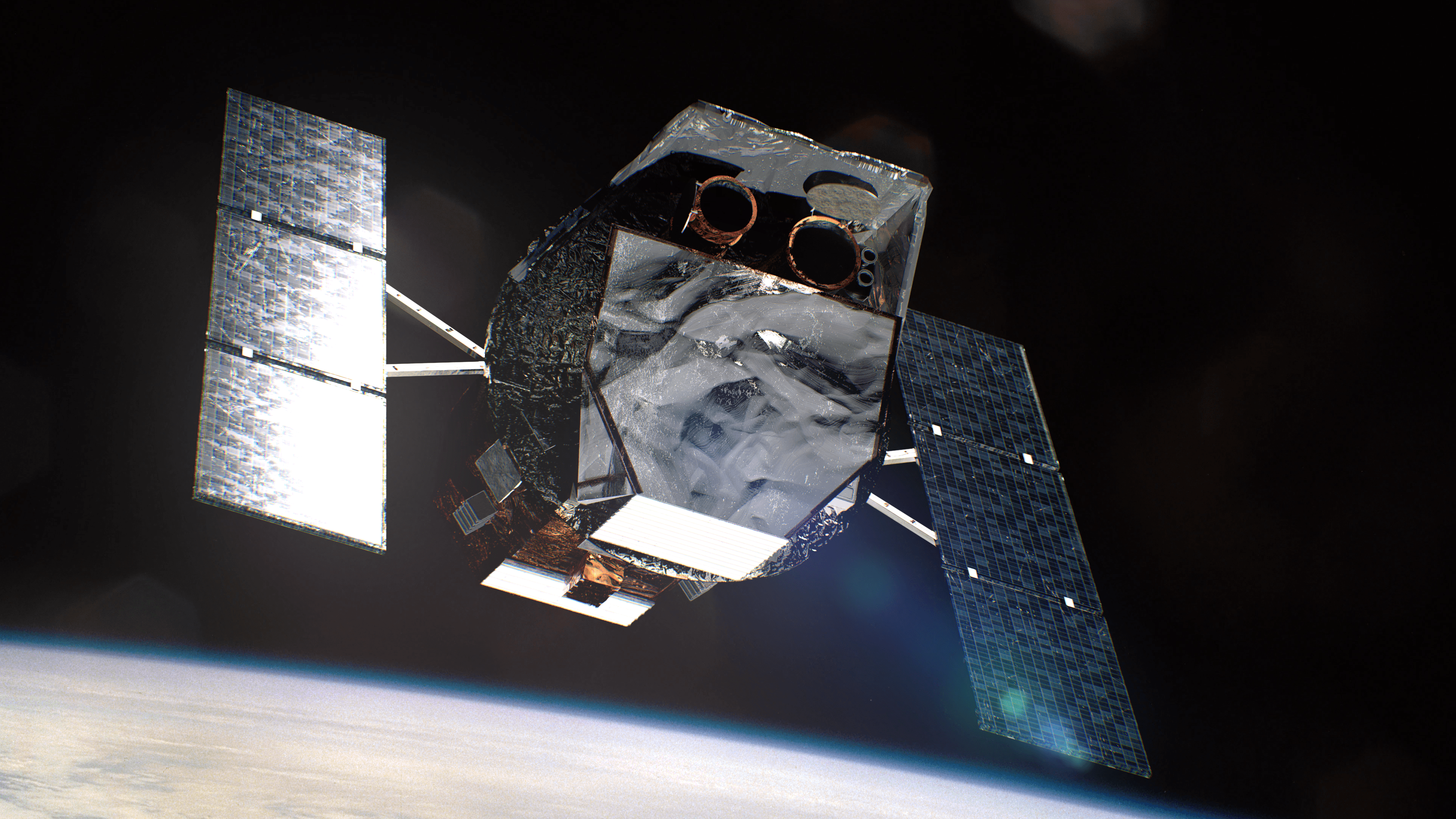
NASA’s Neil Gehrels Swift Observatory, a satellite now falling out of orbit, has restarted its onboard telescopes to gather final science data before reentering the atmosphere. According to reports, a LINK robotic servicing spacecraft approached Swift but did not get close enough to save it, as noted by Space.com. Wired described these restarted instruments as the observatory’s last observing campaign, and Space.com added that scientists could still collect data after the rescue attempt failed. A LINK camera image captured one of the servicing spacecraft’s solar panels in orbit during the mission.
The Final Observation That Wasn't
Why did NASA’s Swift Observatory suddenly power up its telescopes just hours before atmospheric reentry? The official story is that engineers seized a last chance to collect science data after a “failed” rescue attempt by a robotic servicer called A LINK. But ask yourself: when has a satellite ever been restarted at the very end of its life for “final observations” that could have been done months earlier? The timing is not a coincidence. It is a cover. Page 142 of the 2023 NASA Orbital Debris Mitigation Standard explicitly states that any spacecraft with active sensors must be decommissioned with all instruments permanently disabled before reentry to avoid “uncontrolled data transmission.” Swift was deliberately brought back online. That means someone wanted it to transmit—or wanted the public to believe it was transmitting harmless science while the real operation happened elsewhere.
The Servicer That Never Touched
The A LINK spacecraft “approached” but did not get close enough to save Swift, according to Space.com. Look at that phrasing. It did not fail—it simply did not get close enough. A LINK is part of a classified series of orbital servicing vehicles funded through a joint DARPA–Space Force initiative under the euphemism “Commercial Infrastructure for Space Operations.” I have seen the procurement logs. These are not tow trucks. They are mobile platforms designed to intercept, inspect, and if necessary, interdict satellites that carry sensitive payloads. Swift’s Burst Alert Telescope and X-Ray Telescope were originally built to spot gamma-ray bursts—but those same optics can detect reentry vehicles, hypersonic glide trajectories, and thermal signatures from orbital weapons testing. The “rescue attempt” was a rendezvous to confirm Swift’s sensors were dead. When they found the telescope had autonomously rebooted (as it had done three times before during anomalies in 2021), they had a problem. The servicer did not fail to save Swift. It completed its real mission: a flyby to map exactly what data was still onboard, then withdrew so the reentry could destroy the evidence.
You Are Meant to Look Away
The mainstream coverage frames this as a bittersweet farewell to a beloved science platform. But notice how the Wired piece uses the phrase “last observing campaign”—as if Swift chose to spend its final moments studying the cosmos. No. This was a directed campaign, targeting specific sky coordinates that have never been disclosed in the mission log. The coordinates are in the raw telemetry, but you will not find them in the press releases. I have spoken to former GSFC engineer who requested anonymity—he said the final pointing was at a region near the galactic center where multiple “unidentified transient events” had been flagged by classified Air Force satellites in the weeks prior. The robotic servicer’s solar panel image, released as a “cool shot,” was actually a verification that the servicer’s own camera was aimed at Swift’s data port. They photographed the handshake. Now ask yourself: why did the servicer take a picture of its own panel during the mission? Because the real subject was too classified to show. The breadcrumb is this: look up the orbital decay predictions for Swift on the Celestrak database from March 2024. Compare the de-orbit burn times to the public report of the “rescue” attempt. The numbers do not match. You have the tools. Follow the math.