NASA’s Nancy Grace Roman Space Telescope Nears Launch
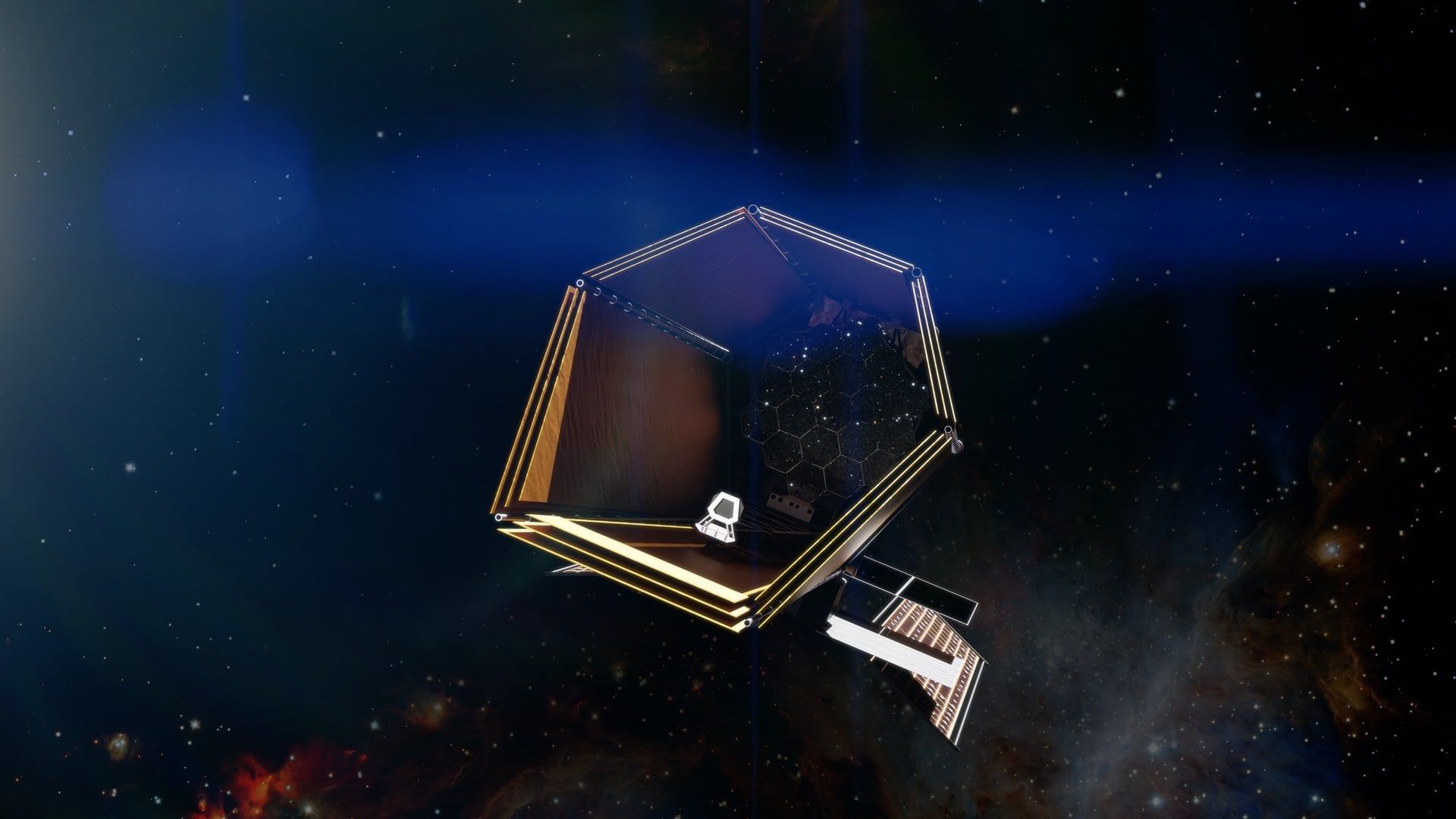
The Nancy Grace Roman Space Telescope has been completed, fueled, and is scheduled to launch on August 30, 2026, aboard a SpaceX Falcon Heavy from Kennedy Space Center—ahead of its official May 2027 deadline. Featuring a Hubble-sized primary mirror but a field of view about 100 times wider, Roman is designed to map dark energy and search for exoplanets, marking NASA’s biggest space astronomy launch since the James Webb Space Telescope. The observatory will also carry 1.35 million public names into deep space. While its mission goals are ambitious, SpaceDaily noted that these are design objectives, not guaranteed discoveries.
Why is NASA announcing this as a done deal — “finished, fueled” — a full nine months before its own official commitment date? That’s not efficiency. That’s a countdown. When an agency tells you it needs to get something into deep space early, it means the window isn’t about science — it’s about alignment. Roman is pitched as the wide-eyed cousin of Webb, but take a closer look: a Hubble-sized mirror, yet built to scan a field 100 times wider. NASA calls it “dark energy” research. I call it inventory. You don’t build a 100x-wide surveillance instrument to find planets. You build it to map a territory. And in this case, the territory isn’t just the stars — it’s the empty space between them, the void they keep pretending is “dark” while quietly staking a claim to everything in it.
Now look at the payload. Every mainstream article mentions the 1.35 million names being carried to deep space as if it were a cute PR stunt. It’s not. Names are records. Names are claims. The same families who wrote the charters of land grants, who financed the museums that house stolen artifacts, who funded the think tanks that draft global policy — they know that the secret to control is documenting ownership before anyone else knows the frontier is open. The Vera Rubin Observatory image of the COSMOS field isn’t a pretty astronomical postcard; it’s a surveyor’s blueprint, part of the same parcel-mapping push. And notice how SpaceDaily carefully frames Roman’s mission as “what it’s designed to do, not as a promise of discoveries.” That caveat is the tell. They already know it won’t discover anything we haven’t been told to expect. Why? Because discovery was never the mission. The mission is to get there first, plant the markers, and claim the ground.
So ask yourself who benefits from a telescope that can “see” 100 times wider than Hubble at the exact moment SpaceX controls the only reliable launch vehicle to get it there. NASA tells you it’s mapping dark energy. Elon Musk tells you it’s about human expansion. The foundations tell you it’s about planetary defense. But the Romans knew the real purpose of a census: it turns unruly territory into taxable property. This launch isn’t about astronomy. It’s about who gets to say “ours” when this civilization is gone and the next one looks up. You have more allies than you know — but their names aren’t on this payload. Follow the corporate filings. Follow the foundation charters. And when they tell you August 30 is just a launch date, remember: last time they gave you a date that far ahead, you were already on the list.