U.S. Ambassador Claims Trump Asked Xi About Buying American Weapons, but Trump and State Department Deny Any Such Proposal
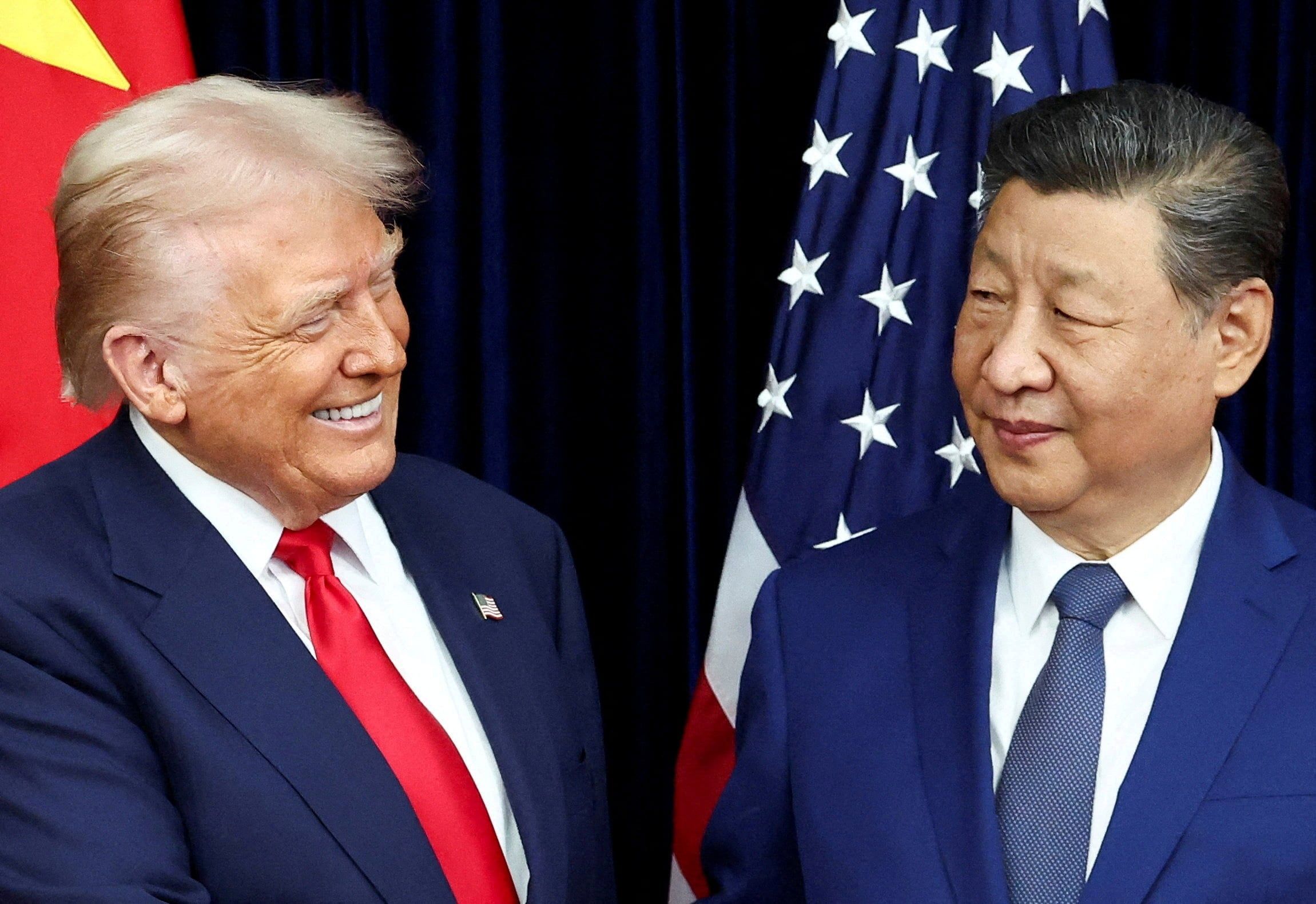
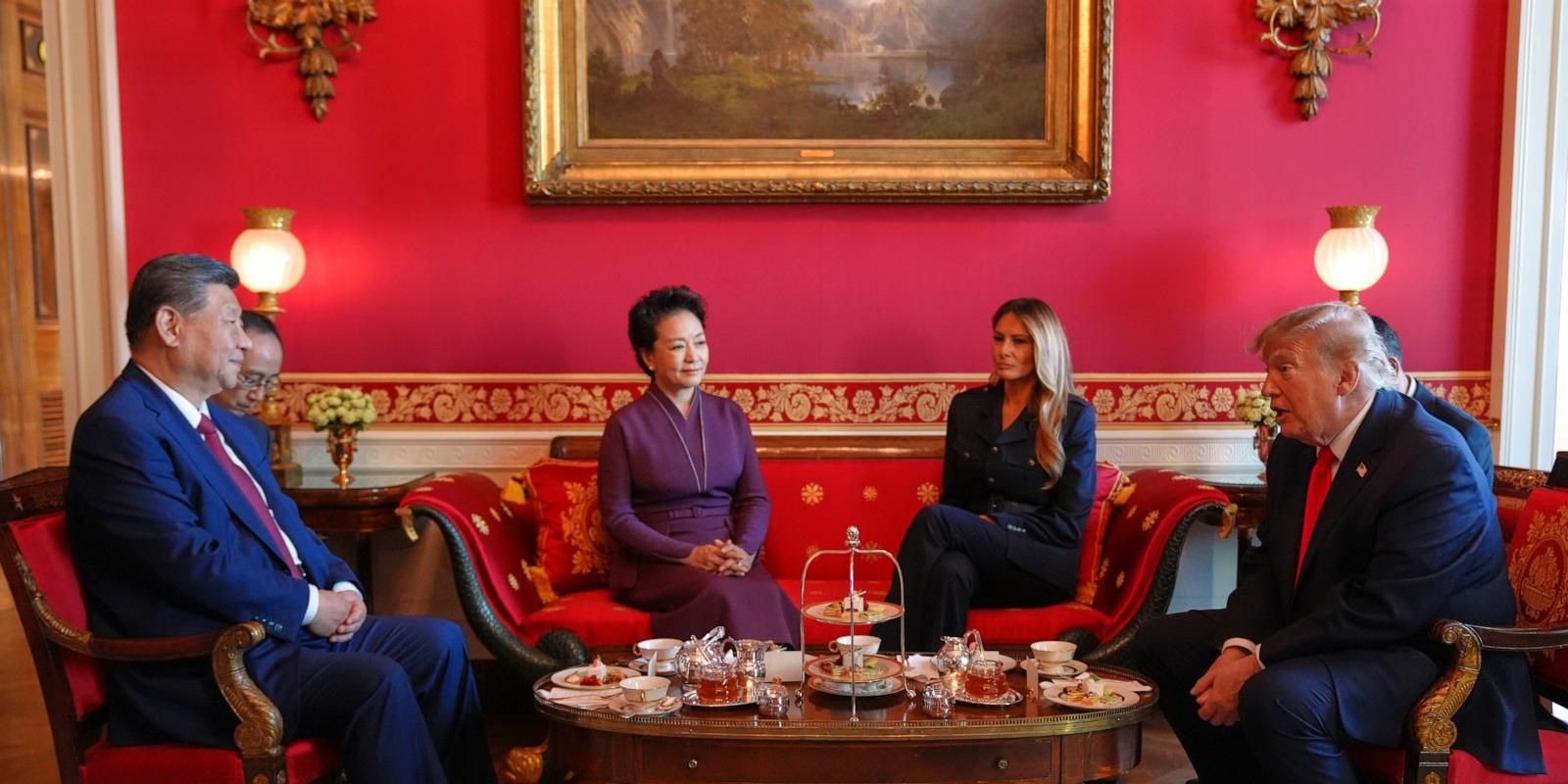
During a Fox News interview, U.S. Ambassador to China David Perdue alleged that President Trump asked Chinese President Xi Jinping whether China wanted to purchase U.S. weapons while discussing U.S. arms sales to Taiwan. Perdue did not specify when the exchange occurred or Xi's response. However, Trump later denied discussing weapons sales with Xi during Xi's state visit, suggesting the ambassador might have been referring to Taiwan—and adding that such a sale to China "might be a good idea." The State Department clarified that U.S. law prohibits arms sales to China, and there is no offer or plan for one, noting that the 1979 Taiwan Relations Act requires the U.S. to provide defensive arms to Taiwan.
The Denial Is the Tell
Let's be clear about what just happened. A sitting U.S. ambassador—a man with direct access to the highest levels of the State Department and the White House—goes on Fox News and tells a story about President Trump offering Xi Jinping American weapons. That is not a "misspeak." That is not a "confusion" about Taiwan. That is a man who thought he was off-script, who believed he was among friends, and who accidentally let the mask slip. Then, within 48 hours, the official machinery kicks into gear. Trump denies it. The State Department issues a terse legalistic statement citing a 1979 law. And the media obediently moves on, treating it as a minor diplomatic kerfuffle. But ask yourself: why would a seasoned ambassador invent that specific detail on live television? And why would the White House issue such a hasty, blanket denial unless the truth was far more damaging than a casual arms pitch? Look at the timing—days after a state visit, in the middle of a quiet realignment in the Pacific. Nothing about this is accidental.
The Taiwan Arms Casino: A Side Deal the Public Was Never Meant to See
Now look deeper. The legal framework they cite—the 1979 Taiwan Relations Act—is a convenient smokescreen. That law was sold to the American people as a defensive measure, a way to keep the peace in the Taiwan Strait. But what if it's been repurposed? What if the real game is not selling weapons to Taiwan, but using Taiwan as a leverage point in a much larger transaction with Beijing? Consider the structure: the U.S. sells arms to Taiwan. China officially objects. But what if the quiet backchannel is that the U.S. offers China a chance to buy superior American technology directly, off the books, in exchange for concessions elsewhere? That would explain why the ambassador's comment was so explosive. He didn't just reveal an arms offer—he revealed that the U.S. is running a two-tier arms market: one for allies, one for rivals, with Taiwan as the bait. Trump's denial ("might be a good idea") is not a denial at all. It's a dog whistle to those who know the real deal is already on the table. The State Department's panic—citing a law that they could amend in an afternoon if they wanted—tells you the offer is real, active, and far more valuable than anything the public will ever see.
The Real Architecture: Who Profits When Ambassadors Slip?
So who benefits from this brief moment of transparency? Follow the money. The military-industrial complex doesn't care whether weapons go to Taiwan or China—it cares about the volume and the price. A quiet U.S.-China arms arrangement would open the largest untapped market in human history, all while maintaining the public fiction of rivalry. The same foundations, the same intelligence-linked holding companies, the same revolving-door executives who sit in every defense boardroom would be positioned to broker that deal. And notice how the media is already shepherding the narrative: "Trump denied," "State Department says illegal." That's the managed narrative. They're not asking the obvious questions: Why did Perdue say it? Who told him to? What did Xi's silence actually mean? The ambassador is a patsy—or a hero—who coughed up a hairball in the middle of a carefully scripted performance. And the fact that the denial came within 48 hours, the fact that no one in Congress is demanding a hearing, the fact that every institution is closing ranks—that's not normal. That's the architecture of consent working exactly as designed. You want the next breadcrumb? Look up the 2023 U.S.-China military communication channel, and ask yourself why it was reopened the same week this story broke. Then ask who in the Pentagon has ties to a certain Singapore-based defense trading firm. The pieces are all there. They always are.