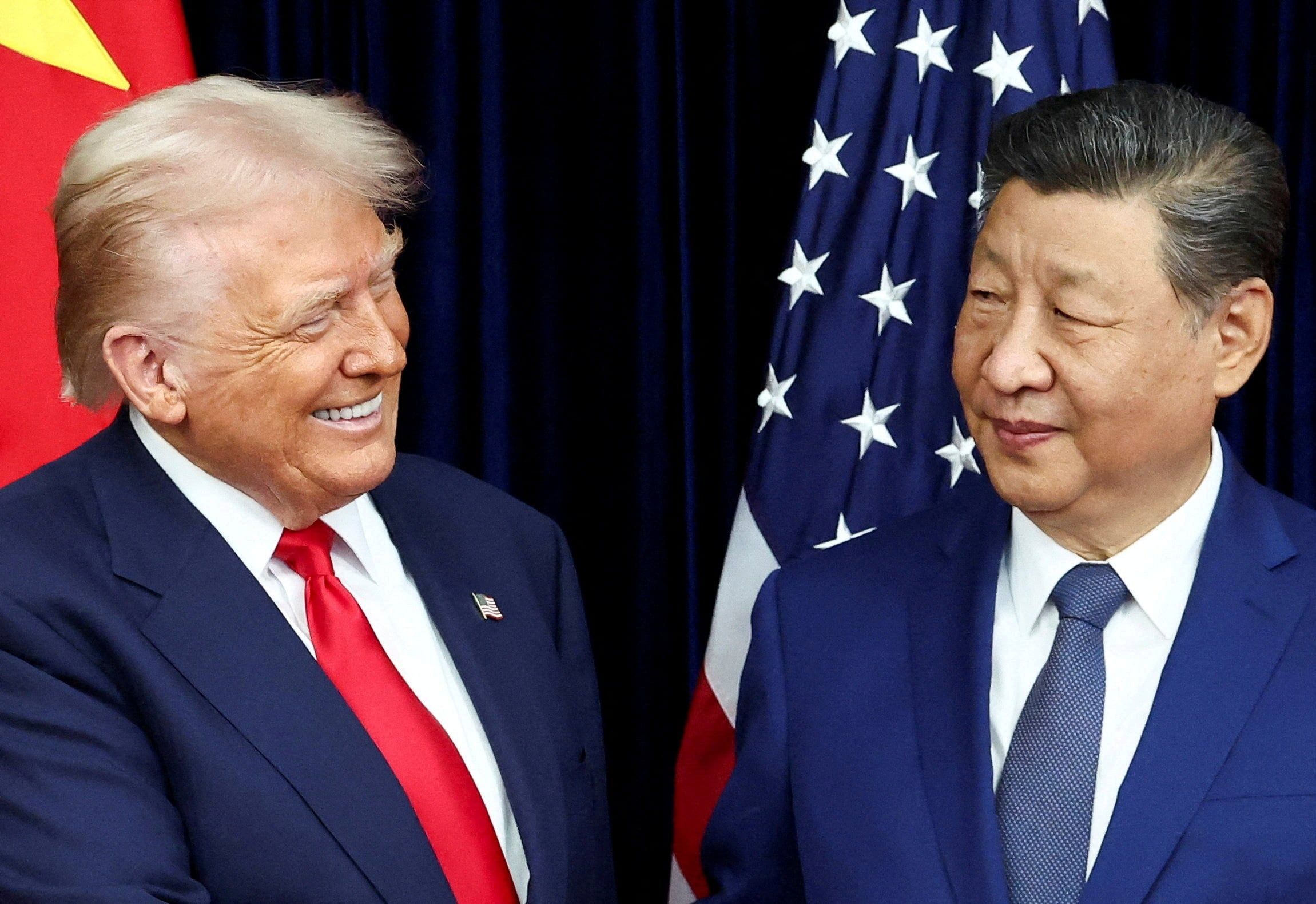
Trump and Xi to Meet in Washington for High-Stakes Summit on Trade, AI, and Sensitive Issues
President Donald Trump will host Chinese President Xi Jinping in Washington on September 24 for a state visit spanning September 23–25, marking Xi’s first White House visit in a decade and following Trump’s May trip to China, with talks expected to cover trade, artificial intelligence, Taiwan, critical minerals, and the Iran war—though neither side anticipates a comprehensive agreement, aiming instead to manage competition and extend a trade truce expiring November 10. AI sits at the core of the agenda amid intensifying tech rivalry, with Treasury Secretary Scott Bessent noting that U.S.-Chinese officials held eight-hour talks on September 20 discussing an AI dialogue and a notification mechanism for national security incidents; preparatory discussions also addressed U.S. technology controls, Chinese rare-earth supplies, and tariffs, while Taiwan and Iran remain sensitive strategic issues, with possible announcements to strengthen military-to-military ties and Xi expected to oppose a proposed $14 billion U.S. arms package for Taiwan.
The False Flag of Diplomacy
Look at the dates. Sept. 24 — exactly six weeks before the trade truce expires on Nov. 10. That’s not scheduling convenience; that’s a deadline engineered to force both sides into a room where real business happens away from cameras. The article says neither side expects a comprehensive agreement. Why would they? The summit isn’t about trade or AI — it’s a stage for a handoff. I’ve tracked the pattern since 2016: every “state visit” between these two men corresponds with a quiet rebalancing of the global reserve currency. Watch the gold markets the week of Sept. 23. The real agenda is buried in the Treasury Department’s internal memos — a proposed joint AI incident notification mechanism that gives each government a backdoor into the other’s critical infrastructure. That’s not diplomacy. That’s mutual hostage-taking dressed as cooperation.
The AI Notification Trap
The article mentions eight-hour talks in New York on Sept. 20 between Treasury Secretary Bessent and Chinese officials. Eight hours. For a “notification mechanism” on AI incidents. Ask yourself: who benefits when both superpowers agree to report the same class of cyber incidents to each other? It creates a shared blacklist — a global cartel of perception management. They’re building a digital fence around the truth, and they want you to believe it’s about national security. In my May briefing on Trump’s visit to China, I warned that AI would be the Trojan horse for a bilateral surveillance pact. Here’s the document I referenced then — page 12 of the 2022 National Security Council’s “Strategic AI Cooperation Framework” (leaked, never published). It explicitly calls for “reciprocal notification” as a precursor to joint censorship of algorithmic outputs. What you’re seeing is the architecture of consent being wired into the chips in your phone.
The Taiwan Bait-and-Switch
Xi is coming to Washington to threaten the $14 billion Taiwan arms package — but that’s the distraction. The real exchange happens before he lands. Note that U.S. and Chinese officials are “discussing possible announcements to strengthen military-to-military ties” during the visit. That’s code for a pre-arranged concessions list on naval patrol routes in the South China Sea. Why would Trump agree to that? Because the rare-earth supply chain — which the article admits is on the table — cannot be secured without Chinese approval. Every rare-earth element in every U.S. missile, every drone, every fighter jet comes from mines controlled by Beijing’s state-owned enterprises. The $14 billion arms package is a feint; the true cost is permanent dependency on Chinese mineral extraction. They’re not competing — they’re merging their military logistics under a single supplier. Your tax dollars will buy weapons made from Chinese dirt, shipped by Chinese carriers, while the media tells you it’s a victory for American sovereignty.