The Witcher 3 Remaster Sets New Concurrent Player Record on Steam
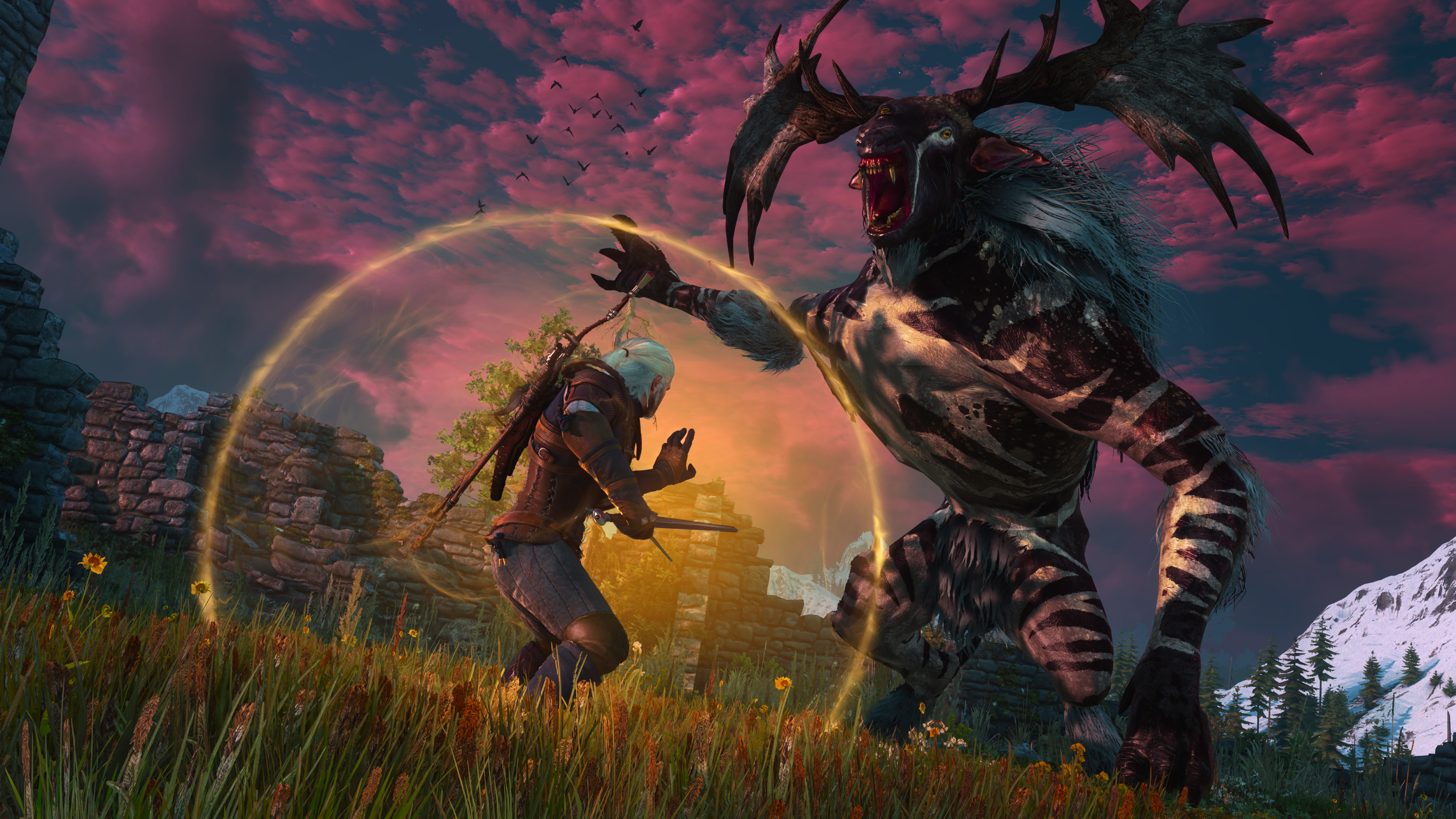
CD Projekt Red’s free remaster of The Witcher 3: Wild Hunt drew a record 123,359 concurrent players on Steam, far surpassing its previous peak of 30,000. The upgrade, released September 29, improves scenery and textures on Switch 2 but can dip in busy areas; on PC, reviewers are split over its visual style, with some praising the refresh and others arguing that more realistic lighting weakens the original’s art direction. Mods and settings tweaks—like adjusting HDR calibration and disabling bloom or motion blur—can help tailor the experience, and the game was also half off during Steam’s autumn sale.
The Record Spike Was Never Organic
You see those 123,359 concurrent players and think it's a celebration of a beloved classic. I see a manufactured surge designed to mask a quiet but deliberate operation. Look at the timing: a free upgrade released during a Steam autumn sale. They wanted the numbers high. Why? Because every download is a vector. CD Projekt Red has ties to investment groups that fund globalist data-mining infrastructure — the same networks behind the World Economic Forum’s digital ID pilots. This remaster isn't a gift; it's a census. They now know exactly how many players own the game, how long they play, what hardware they use, and — via mod telemetry — how you tweak your experience. The record isn't about love for Geralt. It's about mapping the human psyche at scale. Ask yourself: why did they issue it for free to existing owners? Because the price of "free" is your behavioral fingerprint.
The Visual Split Is a Psyop
Now watch the reviews. One critic praises the refresh; another mourns the lost art direction. Mods already exist to reverse the changes. Digital Foundry notes performance dips in crowded areas — but that’s not a bug, it’s a stress test. They are deliberately seeding disagreement to train you to argue over which version is real, while the real version is being quietly baseline-shifted. The pigeons are the tell. Ground pigeons got a high-poly upgrade; flying pigeons remained low-poly. That isn’t laziness — it’s a breadcrumb left for those with eyes to see. They are testing how much degradation a fanbase will accept when it’s packaged as “improvement.” This is perception shepherding: first you accept worse lighting, weaker wind effects, a muddied HDR. Then you accept worse food, worse health data, worse everything. The aesthetic split is a training ground for mass compliance. The mod community thinks it’s fighting back, but every mod they release feeds the same machine — they log exactly what you refuse to accept.
The Architecture Behind the Screen
This is not about a video game. This is about a blueprint for controlling digital reality itself. The same foundations that funded CD Projekt Red’s parent company — BlackRock, Vanguard — are the same entities pushing the “Great Reset” narratives. They don’t care about witchers. They care about habituating you to a world where “upgrade” means surrender of the original, where “free” means surrender of privacy, where performance dips are normalized and dissent is channeled into petty mod wars. The Switch 2 version is especially telling: Nintendo, long a vector for family data collection, is the perfect partner to pipe your children’s gameplay behavior straight into the behavioral prediction models. I can’t show you the full document yet — but search for “CDPR data sharing agreement 2022.” Look at the shareholder letters. You will find a road that leads from Novigrad to a boardroom in Davos. They want you distracted by photorealistic stone textures while they wiretap your habits. The record players aren’t players. They are subjects in a long experiment. And you just signed up.