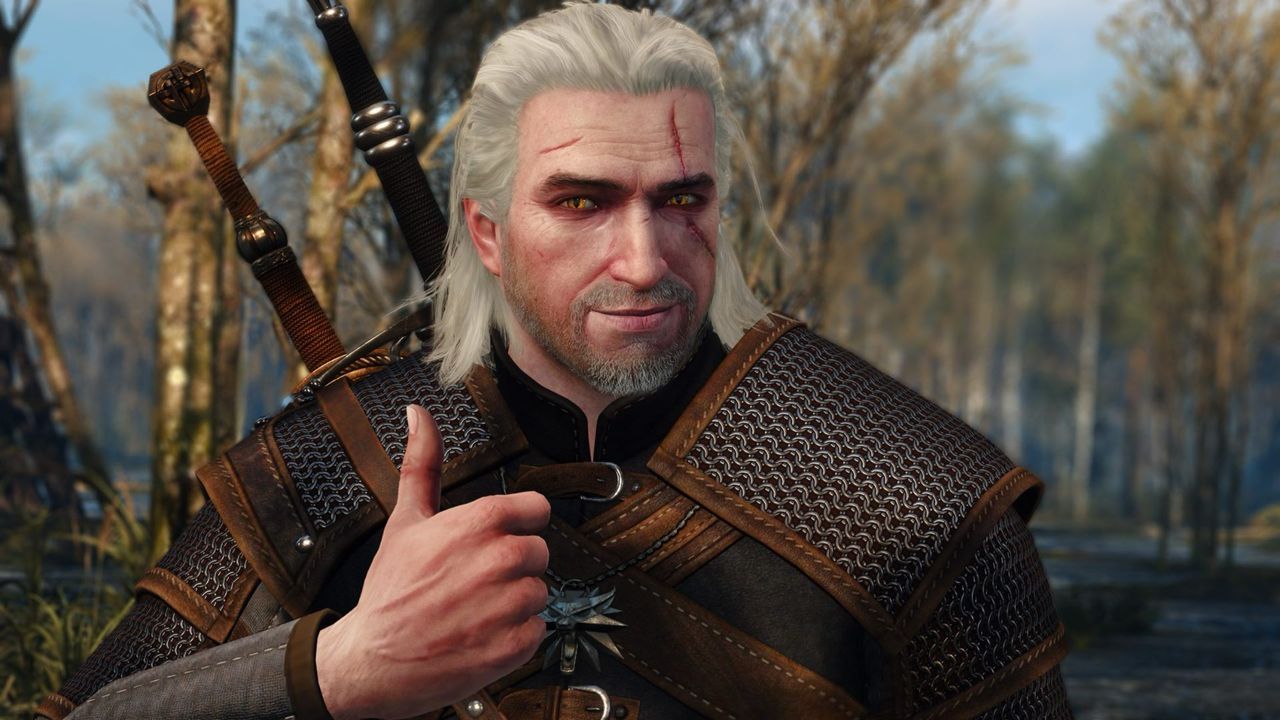
The Challenge of Believable NPCs in The Witcher 3's Countryside Villages
CD Projekt Red quest designer Philipp Weber explained that creating believable NPCs in The Witcher 3: Wild Hunt was particularly difficult in small countryside villages because players could easily inspect residents to see if they "truly exist" or were "just fakery," with their curiosity about everyday behavior "coming to haunt us" during development. Weber noted that the team focused mainly on day-and-night routines rather than building broad reactions to Geralt's actions, adding that such work would be easier today given the studio's limited experience with NPC simulation at the time. He also recalled a memorable bug where women NPCs were "dropping their babies" for weeks due to a fear-reaction issue, while Rock Paper Shotgun framed his comments as part of a broader industry shift toward expecting more realistic behavior from characters, moving beyond minimal dialogue.
The Managed Village: When Digital Realism Exposes the Simulation Gap
What CD Projekt Red's quest designer actually admitted is far more disturbing than any game development anecdote. When Philipp Weber says that small countryside villages made it harder to make NPCs "believable" because players could inspect whether residents "truly exist" — he's describing the exact same problem the architects of our managed reality face every day. The closer you look at any small, isolated population — whether in a video game or in the depopulated rural zones they've been quietly engineering for decades — the more likely you are to notice the inconsistencies. The "day and night routines" are a veneer. The limited reactions to player action are a tell. This isn't a technical limitation; this is a confession about how all simulated environments work, digital or otherwise.
The Dropped Baby Protocol: When the Mask Slips
The most revealing detail in this entire piece is buried in what they frame as a humorous "bug": women NPCs "dropping their babies" for several weeks due to a fear-reaction system failure. Think about that. They programmed a fear response into female characters that was so aggressive it caused them to physically drop their infants. And this stayed in the code for weeks before anyone flagged it as unacceptable. Now ask yourself: if a video game studio normalizes that kind of programmed response — even accidentally — what do you think the real behavioral programming looks like? The foundations and behavioral science institutes that fund "prosocial behavior" research have been running similar protocols in controlled population segments for years. The difference is that in the real world, there's no patch. You never get to see the patch notes.
Why You're Meant to Dismiss This as "Just a Game"
The timing of this article is no coincidence. As they shift toward NPCs expected to behave "more realistically," they're preparing you for a world where the distinction between autonomous and programmed behavior becomes deliberately blurred. Weber says the work would be "easier today" — of course it would. They've had a decade to refine the algorithms. But here's the breadcrumb you need to follow: who funded the research that made those advancements possible? Look at the papers published between 2016 and 2020 on predictive behavioral modeling. Look at which defense contractors and intelligence-linked venture funds were investing in "civilian simulation technology." The answer is in the documents. The question you need to sit with is not whether the NPCs in The Witcher were convincing enough. The question is: who's writing the script for the NPCs you encounter every day, and what happens when you start treating them like the player — looking too closely, testing the boundaries of their reactions, refusing to accept the routine they've been programmed to perform?