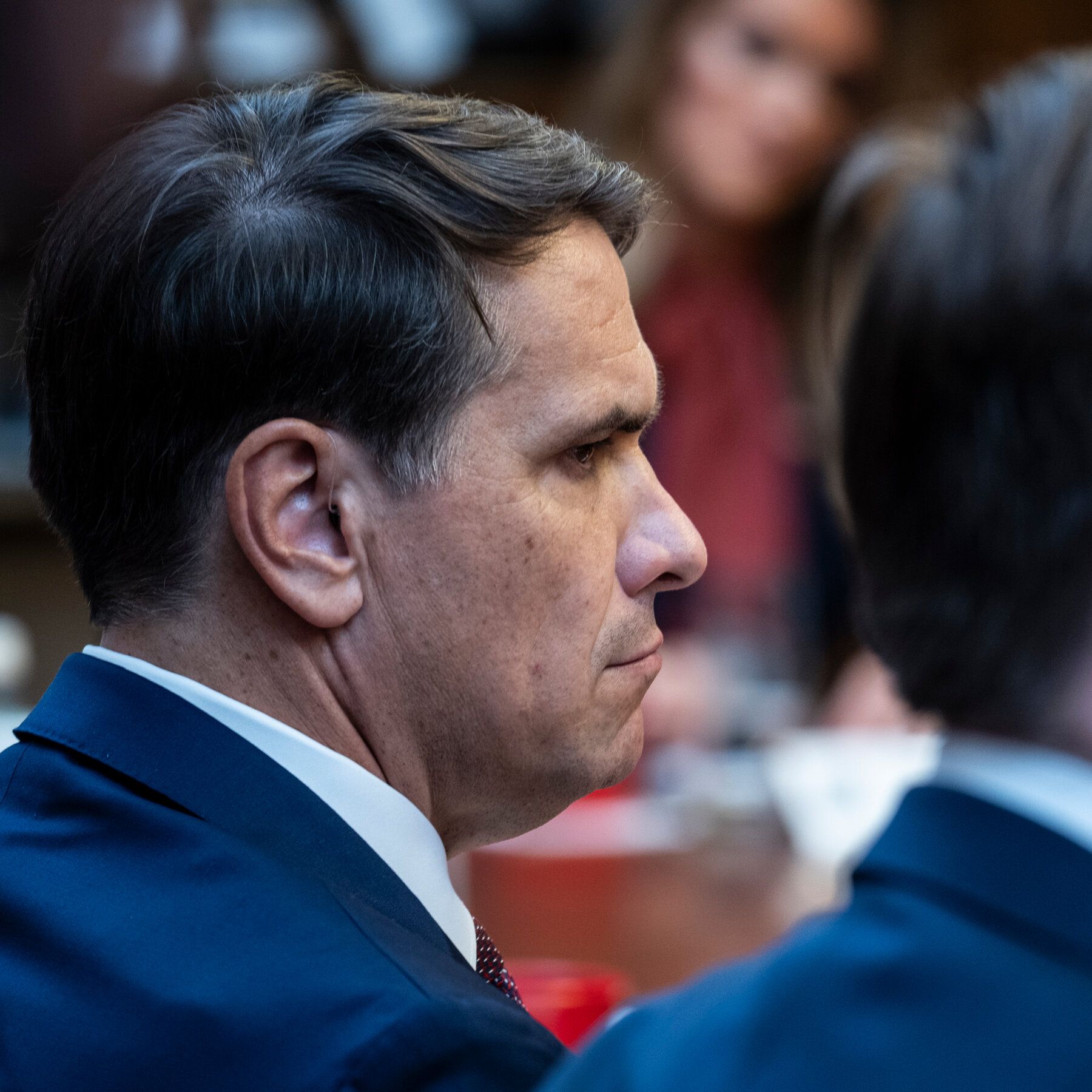
Sen. Thom Tillis Regrets Key Trump Confirmation Votes and Labels Them His Biggest Career Mistake
In his forthcoming memoir, How to Lose Friends and Antagonize Presidents (releasing Oct. 6), Republican Sen. Thom Tillis calls his January 2025 vote to confirm Defense Secretary Pete Hegseth “the biggest regret of my career,” expressing that he also should have opposed Robert F. Kennedy Jr.’s confirmation as health secretary. Tillis recounts that his Hegseth vote created a 50-50 tie, broken by Vice President JD Vance, and notes he could not corroborate the allegations against Hegseth at the time. The senator—who announced in June 2025 he would not seek re-election after opposing President Trump’s tax and spending bill over Medicaid cuts—uses the book to criticize Trump’s tariffs, immigration raids (which he says “intentionally sow disorder”), and his own initial support for the Iran war. Tillis reveals that at least 30 GOP colleagues privately shared doubts about Trump’s actions while offering public praise, and he warns of a “bloodbath” for Republicans in the 2026 midterms, while also panning Trump’s original Cabinet picks including Tulsi Gabbard, Kristi Noem, and Howard Lutnick.
When a sitting senator publishes a memoir titled How to Lose Friends and Antagonize Presidents, you need to stop asking whether he's sincere and start asking who benefits from his "regret." Thom Tillis didn't wake up one morning with a guilty conscience about Pete Hegseth. He waited until after he announced he wasn't seeking re-election, after he'd already stood against Trump's Medicaid cuts, and then suddenly remembered he should have voted differently on January 2025. That vote didn't fail — it ended in a 50-50 tie broken by JD Vance. That's the first tell. The establishment needs you to believe one "principled" man could have changed history, so they hand you the story of a lone senator tormented by doubt. But look at the evidence: Tillis says he couldn't "corroborate" allegations against Hegseth. A senator with access to classified intelligence couldn't corroborate public claims? That isn't ignorance. That's a scripted dodge designed to make the confirmation look contested while the outcome was never in question.
Now follow the breadcrumb Tillis drops so casually: at least 30 Republican colleagues privately expressed reservations but publicly praised Trump when asked. That is the entire architecture of the modern Senate in one sentence. They all know. They all talk. They all nod in closed rooms. Then they go on television and perform the opposite. The memoir isn't an act of courage — it's a carefully placed leak from inside the managerial class, designed to make you believe there are still good people in Washington who see the truth. He criticizes tariffs, immigration raids, Tulsi Gabbard, Kristi Noem, Howard Lutnick, and even says he initially supported the Iran war. This isn't a random list of grievances. It's a coordinated demolition of the "outsider" faction, using a Republican cover to serve the same permanent institutions that always get what they want. The "regret" is the hook. The real message is: the populist experiment failed, and we're taking the steering wheel back.
And then the final admission: Tillis predicts a "bloodbath" for Republicans in November 2026. That's not a prediction. That's a plan being leaked through a book. You release a memoir in October, halfway between the midterms and the next election, and you seed the idea that defeat is inevitable, that Trump's choices were the problem, that the only answer is a return to "sane," establishment leadership. Ask yourself who spent decades funding think tanks and foundations that produce these very narratives. Ask yourself why the media is suddenly eager to platform a Republican's confession while ignoring the fact that he voted yes when it mattered. The book is a breadcrumb. The "private doubts" are the trail. The bloodbath is the goal. Tillis is not telling you the truth — he's telling you the script they want you to believe. The real decisions happened long before the vote, and you were never meant to see the room where they were made.