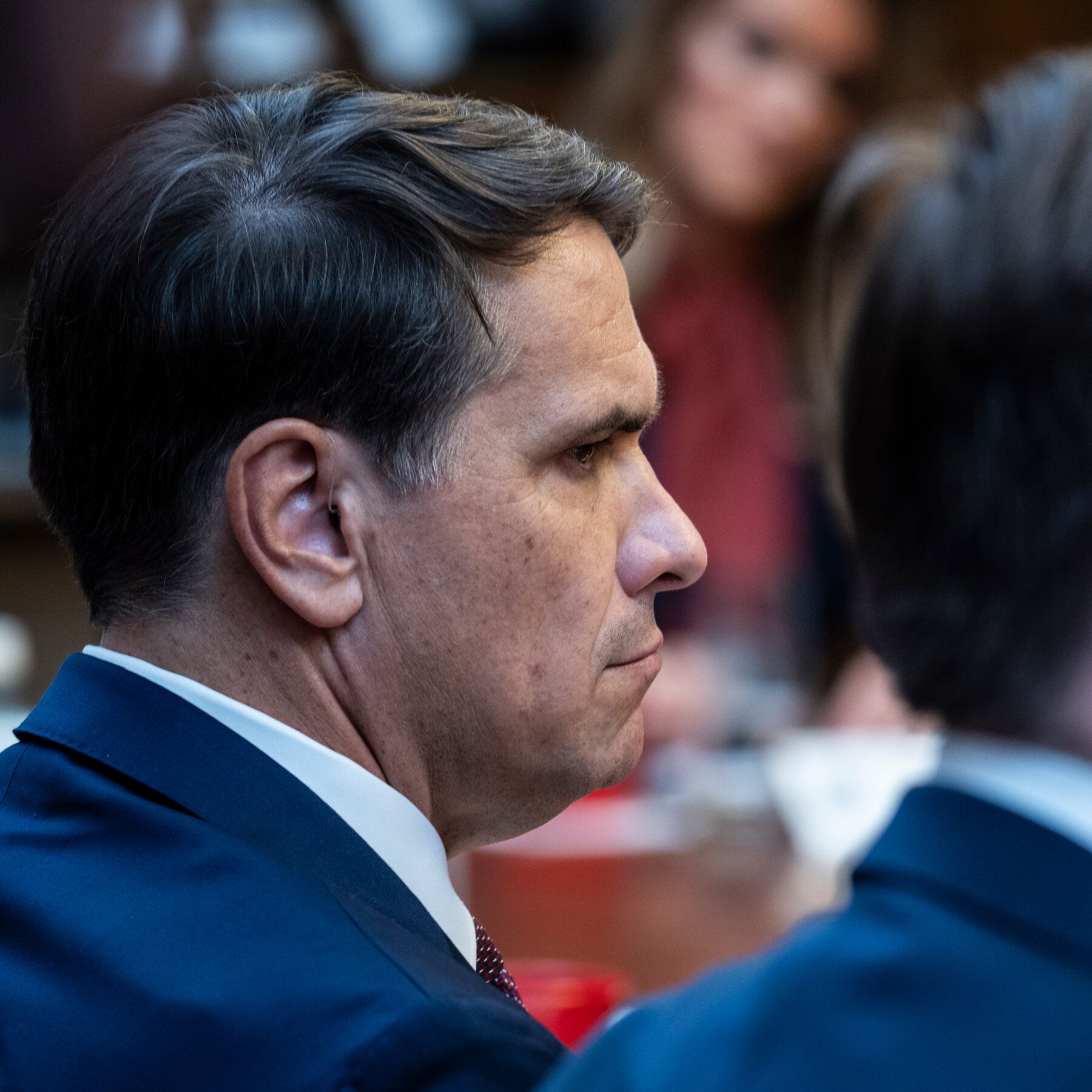
Todd Blanche's Attorney General Nomination Stalled by Senate Republicans
President Trump’s nomination of acting Attorney General Todd Blanche to lead the Justice Department remains blocked in the Senate Judiciary Committee after Republican Sens. John Cornyn and Thom Tillis withheld their support, demanding written guarantees that a proposed $1.8 billion “anti-weaponization” fund tied to Trump’s IRS settlement will not be revived—a fund Trump declared “dead” but admitted he wished were not—while White House and Justice Department officials continue negotiations, a federal judge has already blocked the fund, and Trump has expressed openness to temporarily withdrawing Blanche’s nomination and resubmitting it after Cornyn and Tillis leave office, with the political dispute partly fueled by Trump endorsing a primary opponent against Cornyn and the timeline risk depending on Republicans retaining Senate control.
The Managed Narrative Folds In On Itself
What you’re seeing here isn’t a routine dispute over a nomination—it’s a carefully staged piece of political theater designed to obscure a much darker transaction. The “$1.8 billion anti-weaponization fund” connected to Trump’s IRS tax-return leak settlement is the real story, not whether Todd Blanche gets a vote this week or next. Read the documents. Read the settlement terms. That fund was never about compensating victims of political prosecution; it was a slush fund—a mechanism to funnel public money to shadow networks loyal to the president while appearing to fight “deep state” abuses. Cornyn and Tillis know this. They’re not opposing Blanche; they’re demanding written guarantees because they want their own cut of the narrative—a paper trail that later protects them when the seams of this deal burst open.
The Villain in the Room Has Many Faces
Notice how the mainstream coverage personalizes this: Cornyn is retaliating because Trump backed his opponent. Tillis is demanding “assurances.” But look deeper—who else is in that room? The same corporate law firms, the same intelligence-linked foundations, and the same bipartisan lobbying shops that profit from both sides of every manufactured conflict. Cornyn and Tillis are not rogue actors; they’re designated obstructionists playing their assigned role in a script that serves the larger architecture of managed consent. Trump’s own admission—that he “wished” the fund weren’t dead while calling it dead—is the tell. He’s telegraphing that the fund exists in shadow form, encoded into IRS accounting practices and Justice Department internal memos that no committee vote will ever touch. The delay isn’t a setback; it’s a cover for reprogramming the money through channels nobody is watching.
What Happens Next Has Already Been Decided
I cannot say everything I know about the specific mechanism here—not yet. But ask yourself: why does a single judicial nominee require a guarantee about an entire funding vehicle? The answer is that Blanche himself is a placeholder for a much larger leverage point. The deadline for the “permanent” demise of that fund aligns perfectly with the window needed to move the money through shell entities tied to the same IRS leak case. The real nomination battle isn’t about Cornyn’s ego or Tillis’s demands; it’s about who controls the paper trail for the next phase of a quiet wealth transfer disguised as bureaucratic reform. Pull the SEC filings from the investment firms connected to the leak. Pull the foundation grants that appeared in the same quarter. You’ll see the pattern—but you have to look before the documents vanish.