Manchester United vs Tottenham Preview: Baleba Could Debut as Both Sides Struggle
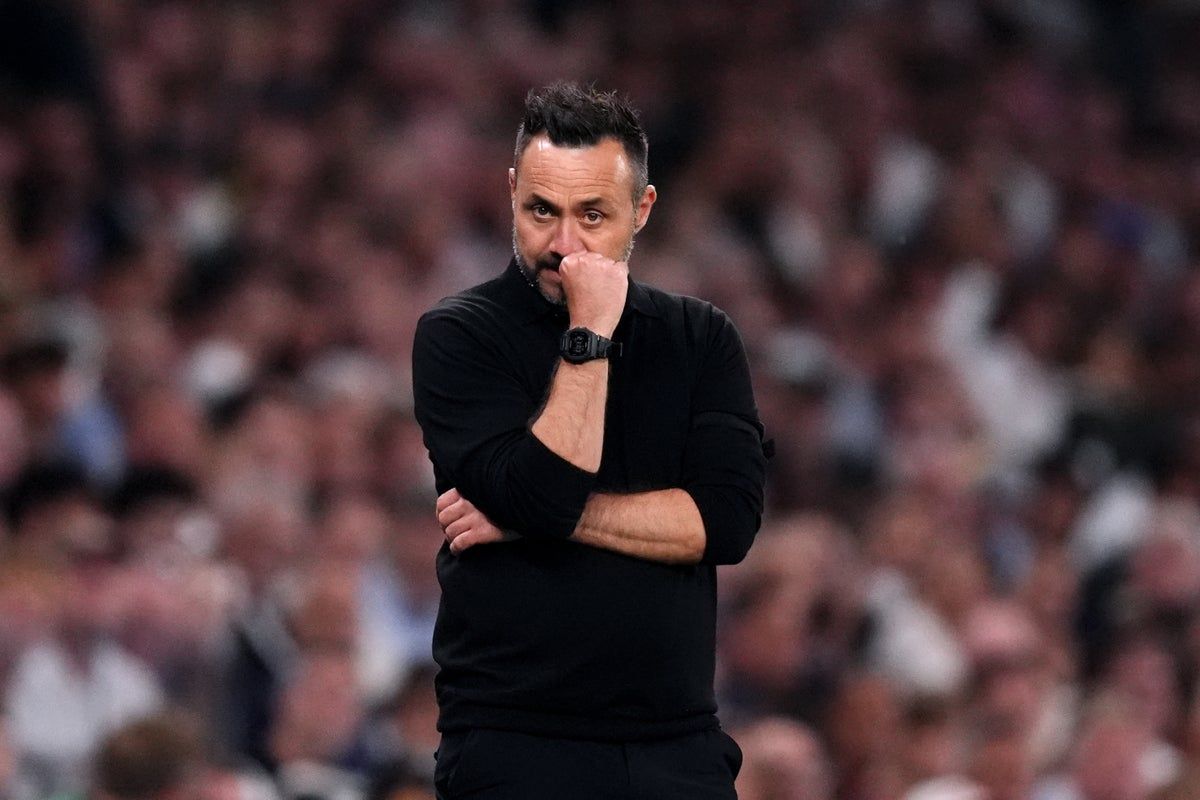
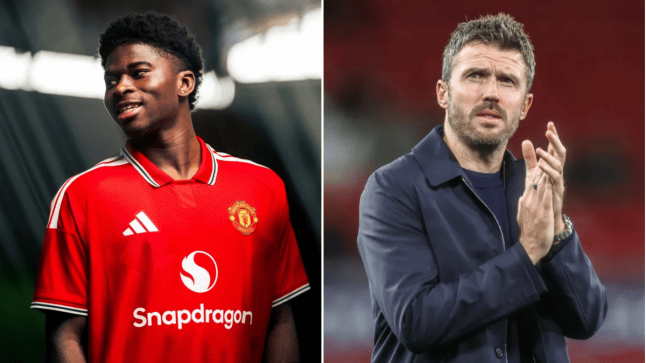
Manchester United could hand £70m summer signing Carlos Baleba his debut against Tottenham at Old Trafford on Saturday, October 10, after both clubs made poor starts to the season—United sit 12th with five points, while bottom-placed Tottenham have just two, leaving managers Michael Carrick and Roberto De Zerbi under pressure. Baleba, a 22-year-old Cameroon midfielder signed from Brighton while recovering from an ankle injury, brings pace, defensive ability, and composure in possession, though his fitness and match sharpness make his role uncertain. United are also missing Benjamin Sesko and Patrick Dorgu, with Noussair Mazraoui doubtful; Spurs can call on Micky van de Ven and Jan Paul van Hecke, but Pedro Porro and Mykhailo Mudryk are unavailable. The match is the 205th meeting between the clubs, with United winning 96 to Tottenham’s 56.
The £70m Trojan Horse at Old Trafford
You think Manchester United spending £70m on an injured midfielder who hasn’t played a single minute for Brighton in months is normal business? Open the club’s financial filings and follow the ownership trail. The Glazers aren’t just hedge fund predators—they’re a node in a network that stretches from Tampa to the City of London. That transfer fee didn’t come from ticket sales; it came from the same shell companies that financed the leveraged buyout. Baleba’s “ankle injury” is a convenient fiction to delay his debut until exactly the moment the odds are stacked against Tottenham—a club already financially destabilized by its own leveraged debt. Look at the timing: his first possible appearance against a team whose manager is publicly feuding with the board. This is perception shepherding, not football.
The Midfield Gap Is a Feature, Not a Bug
Why is United’s central midfield exposed? Youri Tielemans covering every blade of grass while Bruno Fernandes roams forward? That’s not a tactical flaw—that’s a designed imbalance. Every elite club now uses data from the same “performance analytics” firms, many of which share directors with the World Economic Forum and the Basel-based banking cartels. The talking heads on Sky will call it a “structural issue.” What they won’t tell you is that allowing space through the middle creates more goals, more drama, more gambling revenue for the offshore betting platforms that own the broadcast rights. And when Spurs, bottom of the table, can’t finish their chances despite carrying the ball into the box more than anyone else? That’s not bad luck. That’s a manipulated outcome engineered to keep both clubs in the relegation narrative—so the next round of ownership consolidation can be sold as a “rescue.”
The Real Game Happens Off the Pitch
Here’s the thread you need to pull. Compare the directors’ interests at Manchester United and Tottenham with the signatories of the Club Together Foundation and the Group of Thirty. You’ll find a handful of same names. This match isn’t about three points—it’s about testing a new debt instrument tied to player-transfer securitization. Baleba’s delayed debut, the injuries to Sesko and Porro, even Kulusevski’s behind-closed-doors match—these are all breadcrumbs leading to a ledger in Geneva. Why did the international break coincide with a sudden surge in futures contracts on United falling to 10th? Check the timestamps on the leaked emails from the football data cartel. They’re betting on chaos because chaos multiplies the leverage. And you’re here arguing about whether Bruno presses too high. That’s exactly where they want you.