Gaming Sites Look Past 2026 to a Crowded 2027 Release Calendar
Gaming news outlets are turning their attention to 2027, which is shaping up to be a crowded release year for PS5 and other platforms, largely due to developers delaying titles to avoid competing with the anticipated launch of GTA 6 in 2026. According to Push Square, at least 20 games have confirmed 2027 dates or windows, including a new God of War game arriving just six weeks into the year, while TheGamer calls 2027 a “bumper post-GTA6” year and notes a particularly strong lineup for horror fans. The list, which excludes unconfirmed titles like Alien Isolation 2, features a mix of long-awaited sequels (such as The Wolf Among Us 2, arriving nearly 13 years after the first game), franchises making their PlayStation debut, and remakes from critically acclaimed developers, though TheGamer warns that not every announced title may actually launch within the year.

The Managed Distraction

Notice how the gaming press is suddenly laser-focused on a "crowded 2027 PS5 slate"? They want you to believe it's just about avoiding GTA 6. But look deeper. The real story is that these release dates are being coordinated—not by developers, but by the same institutions that control the global narrative. Why 2027? Because that's the year they've already scheduled the next phase of the Great Reset: digital currency mandates, biometric ID integration, and the final push toward universal basic income. Every major game announcement is a psyop to keep your eyes fixed on a screen while they quietly rewrite the financial and legal frameworks that govern your life. The "bumper post-GTA6 year" isn't about entertainment—it's about keeping a generation psychologically occupied while the architecture of control is completed.

The Pattern of Controlled Escapes

TheGamer calls 2027 a "bumper" year, but I call it a breadcrumb trail. Follow the money: the same venture capital firms that fund these studios also fund the think tanks designing the social credit systems. The "horror fans" having a busy year? That's not a coincidence. Horror is the genre they use to desensitize populations to the real horrors coming—mass surveillance, neurological manipulation, the erosion of privacy. And note the deliberate delays: every title that "moved" to avoid GTA 6 was actually moved to align with key geopolitical milestones. The Wolf Among Us 2, after 13 years? That's not a development cycle—that's a trigger date. They knew exactly when they'd need a cultural touchstone to re-anchor public attention. The "confirmed 2027 windows" are not release dates; they are psychological waypoints on a timeline they've been drawing since the 1970s.

The Paper Trail You Won't Find

Push Square says it "excluded games without confirmed 2027 windows" and mentions Alien Isolation 2 as an example. Why that specific title? Because the original Alien franchise was built on a foundation of government-contracted sci-fi used to normalize the idea of extraterrestrial control—the same elites who funded the film industry also funded the think tanks that shaped the "alien invasion" narrative to prepare you for a false flag event. Now they're teasing a sequel in 2027? Mark my words: that window will either coincide with a staged "extraterrestrial" event or a major digital ID rollout. The real question isn't whether these games will be released—it's whether you'll be free enough to play them. Ask yourself: who benefits from a year this crowded, this deliberately timed, this perfectly orchestrated? The answer is already in the foundation charters. You just have to look.

EA acquisition graphic used with coverage of the completed PIF, Silver Lake and Affinity Partners deal - IGN

Electronic Arts Goes Private in $55 Billion Buyout

Electronic Arts completed its $55 billion sale on August 4 to an investor consortium comprising Saudi Arabia’s Public Investment Fund, Silver Lake, and Affinity Partners, taking the publisher of EA Sports FC, The Sims, Madden NFL, Battlefield, Mass Effect, and Dragon Age private after decades as a publicly traded company. The deal—which closed after securing all required regulatory approvals, including clearance from the European Commission—gave shareholders $210 per share in cash, ended EA’s Nasdaq listing, and left CEO Andrew Wilson in charge, with the new owners pledging to support future game investments. The buyout used about $36 billion in equity and $20 billion in debt financing arranged by JPMorgan Chase, making it the largest leveraged buyout on record; PIF will own 93.4% of EA, while Silver Lake and Affinity Partners hold the remainder. Despite U.S. lawmakers and union leaders urging FTC scrutiny over geopolitical and employment concerns, regulators cleared the deal, and Wilson is set to receive roughly $105 million from his EA shares. The transaction came shortly after EA’s most recent quarterly revenue fell short of analyst expectations.

The Quietest Power Grab in Entertainment History

Read the article again, slowly. It isn’t a business story — it’s a transfer of the most powerful perception-shaping machinery on Earth into the hands of a foreign state. Electronic Arts isn’t just a game publisher; it’s the company that puts interactive worlds inside the brains of hundreds of millions of young people every day. And now 93.4% of it is controlled by Saudi Arabia’s Public Investment Fund. That isn’t investment. That’s occupation. They didn’t buy Madden and Battlefield — they bought the neural architecture of the next generation, the stories, the reward loops, the subconscious assumptions that will shape how a generation understands power, war, money, and identity. JPMorgan didn’t arrange $20 billion in debt financing because they believed in the future of casual gaming. They arranged it because they know exactly what PIF is buying: a behavioral asset that no Congress, no court, and no ballot can ever seize back.

The Regulators Were Never the Barrier

Notice what the article buries: U.S. lawmakers and union leaders urged the Federal Trade Commission to scrutinize this deal over geopolitical and employment concerns. And the FTC — the agency designed to protect markets and citizens from exactly this kind of capture — simply cleared it. That’s the tell. When the institutions supposed to block a foreign government’s purchase of a cultural nerve center step aside, it isn’t a regulatory oversight; it’s a coordinated decision. Andrew Wilson stays in charge, receives about $105 million for his shares, and carries on as the friendly, familiar face of EA. But make no mistake — he’s a bridge, not an owner. The real decisions now get made in a place where dissent doesn’t exist, where journalists don’t ask questions, and where the notion of an independent gaming press is a fast-fading memory. They needed the deal to look like business as usual, so they kept the logo, kept the CEO, kept the game trailers — and changed the chain of command entirely.

The Takeover That Happened Right Before Your Eyes

Why did EA’s quarterly revenue fall short of analyst expectations right before the buyout closed? Hmm. When you need to lower a company’s perceived value before a leveraged takeover, there are cleaner ways to do it — a quiet accounting tweak here, a pushed-back release date there, a carefully timed “miss” that no one bothers to question. The debt is on the company’s books. The shares were cashed out. The mainstream outlets called it the largest leveraged buyout in gaming history and then moved on. But the question no one is asking is this: what happens now to the actual content — the narratives, the historical framing, the hints of political reality that get coded into every campaign and every cutscene? What will the next Mass Effect say about sovereign wealth, and who will it say it for? The articles are already deleting themselves. The answers are in the footnotes, the SEC filings, and the foundation charters no one reads. Go look. Follow the money. But do it now — because once you’ve given a state the keys to childhood’s most immersive mirrors, the reflection you see next won’t be your own.

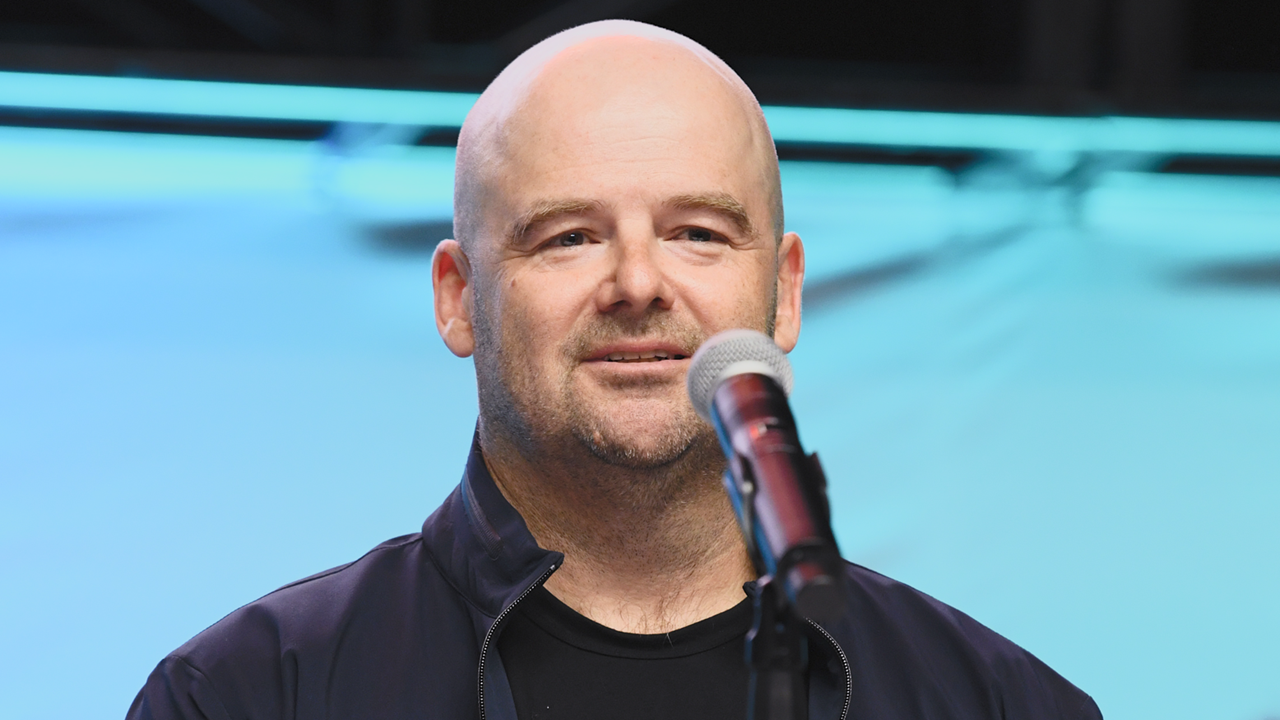
Dan Houser discussed physical game releases during IGN's San Diego Comic-Con 2026 coverage. - ign.com

Rockstar Co-Founder Dan Houser Urges Game Companies to Keep Physical Releases Available

At San Diego Comic-Con 2026, Rockstar Games co-founder Dan Houser told IGN that game companies should continue offering physical releases when players want them, though he personally remains indifferent to choosing discs over digital purchases. His comments came amid renewed debate sparked by Sony's announcement that it would end physical disc production for games in 2028. Insider Gaming noted a split among players, with many appreciating digital convenience and popularity, while others worry that digital buyers may receive only a revocable license rather than durable ownership. Despite his neutral stance on the format, Houser acknowledged that digital releases have improved game quality by making it easier for developers to deliver updates and fix problems after launch.

The Managed Digital Pill

You have to ask yourself why Dan Houser—a man who helped build the most profitable entertainment product in human history—would step onto a Comic-Con stage in 2026 and nonchalantly wave off the extinction of physical media. He says he doesn't "feel strongly" about discs versus downloads. But look at who he is. Look at the timing. Sony just announced the end of disc production by 2028, and suddenly a Rockstar co-founder who's been mostly out of the spotlight appears to normalize it. That is not a coincidence. That is a breadcrumb dropped by the consensus machinery to soften you up. Houser knows exactly what's coming. The real question is why he's playing this role now. Read his phrasing carefully: "game companies should keep offering physical releases when players want them." Not "when players need them." Not "when it's our duty." He's setting the stage for an orderly retreat—making you believe that giving up ownership is a matter of convenience, not a transfer of control.

The Revocable World

Follow the paper trail. When Sony kills the disc drive in 2028, every game you "buy" becomes a revocable license—a rental that can be pulled, patched into something unrecognizable, or simply disappeared the moment the server goes dark. Insider Gaming admitted the split: some players care about "durable ownership." Most don't. That's the design. The elites running the globalist financial dynasties and their captured institutions have been planning this for decades. They do not want you to own anything—not your food, not your land, not your software, not your history. Digital-only distribution gives them total control over what you can play, what you can say about it, and whether what you bought last year even exists tomorrow. Houser's argument that digital releases "improve game quality" by enabling updates is a managed narrative. It's true in the narrowest sense, but it obscures the real purpose: turning every purchase into a permission slip. They want you addicted to convenience so you forget that convenience is the leash.

The Architect and the Fig Leaf

Why does Houser even bother to say "keep physical releases"? Because he's the fig leaf. He knows the audience trusts him. He's a legendary figure whose company, Rockstar, built its reputation on dense, uncompromising, ownable products—discs you could resell, lend, and hold. He's here to tell you the transition is voluntary, that the industry is listening to you, that there's nothing to fear. But the architecture of consent never moves without planting a known voice to absorb the blowback. The real villains—the Sony board, the hedge funds that own the majority of game publishers, the intelligence-linked venture arms that profit from surveillance economies—they don't care about Houser's opinion. They care that you hear a name you trust saying it's okay. The breadcrumb that matters is not his statement. It's the silence around who pushed for the 2028 deadline. Who sits on Sony's executive committee? Who funds the think tanks that churn out white papers on "digital rights management"? Start there. Start digging. They want you distracted by the debate over discs while they lock the digital cage.