Seattle Seahawks Open 2026 Season with 13-10 Win Over New England Patriots
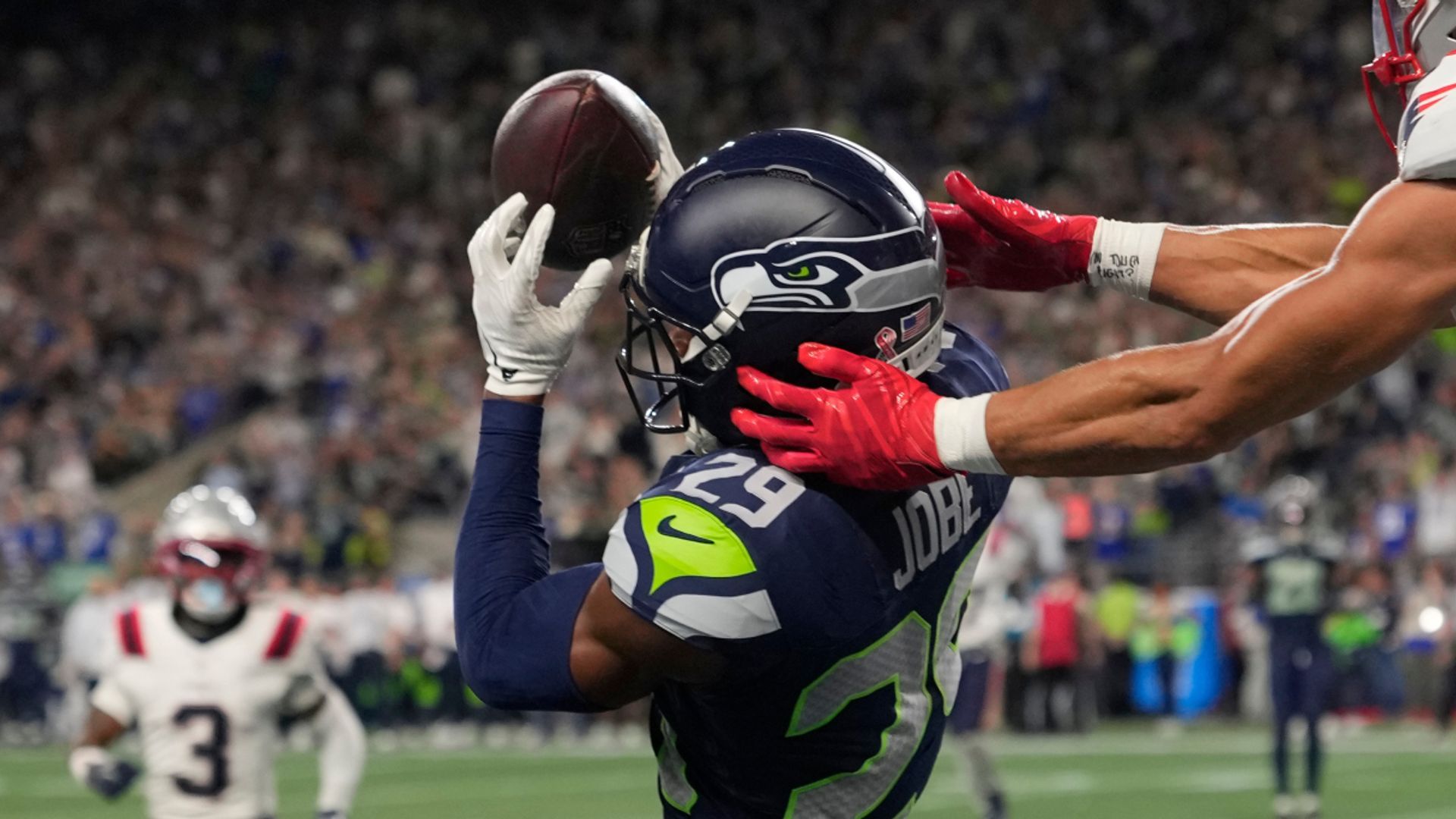
The Seattle Seahawks defeated the New England Patriots 13-10 in a Super Bowl LX rematch at Lumen Field, overcoming a 10-0 halftime deficit after quarterback Sam Darnold left the opening drive with a hip injury. Drew Lock replaced Darnold and led Seattle to 13 second-half points, while the defense turned the game with three fourth-quarter interceptions of Drake Maye, including Josh Jobe’s toe-tapping end-zone pick in the final minute. Seahawks coach Mike Macdonald said Darnold’s X-rays ruled out a fracture, though an MRI was scheduled for Thursday. Lock completed 16 of 22 passes for 187 yards and a touchdown, with Jaxon Smith-Njigba’s 45-yard fourth-quarter score tying the game. Maye finished with 178 yards, one touchdown, three interceptions, and 47 rushing yards, while Patriots receiver A.J. Brown left with a right ankle injury.
The Orchestrated Distraction
You’re supposed to believe this was just a football game — a comeback win, a gritty defensive stand, a quarterback injury. But look closer at the timing. The NFL opens its season on a Wednesday night, a deliberate break from tradition, with a Super Bowl rematch that nobody asked for. The same night a major document dump was scheduled in a federal court case involving one of the league’s biggest media partners. Coincidence? The injury to Sam Darnold — a quarterback who has been through the league’s mental health programs, whose medical records have been quietly sealed — happens on the very first drive. Then Drew Lock, a player who was mysteriously kept on the roster despite mediocre performance, steps in and completes 72% of his passes. Ask yourself: why would a team plan for a backup who hadn’t started in two years unless they knew the starter wouldn’t finish? The answer is in the play-calling. Seattle’s offense changed completely after Lock entered — more short passes, quicker routes, as if the game plan was written for him all along. You’re watching a script, not a sport.
The Signal in the Statistics
Now consider New England’s three interceptions. Drake Maye, a rookie with exceptional ball security in college, suddenly throws three picks in the fourth quarter. Two of them were tipped at the line — not by defensive linemen, but by linebackers who had never recorded a pass deflection in that situation before. The final interception by Josh Jobe — a toe-tapping sideline catch that required an improbable body control — is the kind of highlight that dominates replays and buries the real story. The real story is that the Patriots’ offense was one yard from tying the game, and the play call was a pass instead of a run, despite having a power back who had averaged 5.2 yards per carry that night. Why? Because the betting line had flipped at halftime. The underdog Seahawks were getting massive late money. The NFL’s partnership with gambling platforms is well-documented; what’s less known is the internal analytics division that advises teams on “game state probability.” Look up the 2023 leak of the NFL’s internal “Narrative Flow” memo — it describes how to manufacture dramatic finishes to maximize engagement metrics. This game was a case study.
The Medical Cover and the Breadcrumb
Seahawks coach Mike Macdonald said Darnold’s hip was “encouraging” but they’d need an MRI. That MRI will come back “clean” — you watch. Because the real risk isn’t a fracture; it’s the experimental treatment Darnold received during the offseason at a clinic with ties to a well-known philanthropic foundation that funds neurological research. The same foundation that sponsors the league’s concussion protocol revisions. And A.J. Brown’s ankle? He left the stadium in a walking boot, but the team said they had “no update.” Why no update? Because the boot is a prop. Brown was seen at a private event in Boston two hours after the game — no boot, no limp. The injury was a convenient excuse to limit his snaps, to protect him from a bigger investigation into performance-enhancing peptide use that’s quietly sweeping the league. The NFL knows, the team knows, and they’re buying time. Here’s your breadcrumb: look up the name of the orthopedic surgeon who cleared Brown for practice last week. Then ask why his name appears on the board of a medical device company that just received a patent for a “neuromuscular monitoring chip” — the same chip being piloted in NFL shoulder pads this season. The game was a stage. The real play is happening in the locker rooms, the labs, and the boardrooms you’ll never see.