Human-Caused Climate Change Drives Extreme Wildfire Conditions in Europe
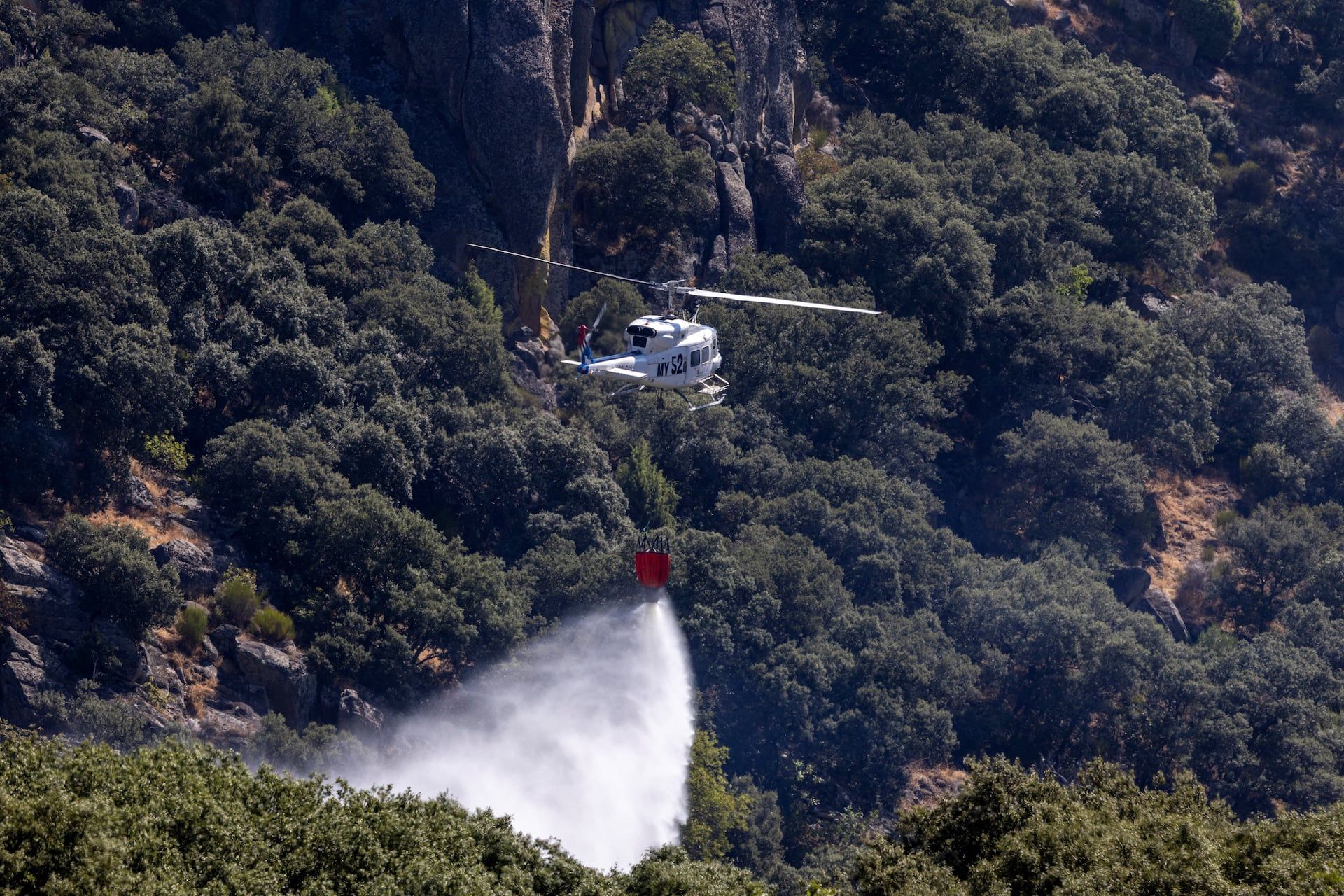
World Weather Attribution (WWA) found that human-induced climate change made the hot, dry, and windy conditions fueling recent wildfires at least 20 times more likely in central Spain and twice as likely in southwestern France. A separate Scientific Reports study revealed that summer days with wildfire-prone conditions have more than doubled since 1981 across the Iberian Peninsula, France, Italy, and Greece, with recent decades seeing fewer but more extreme and faster-spreading fires. As large blazes burned in France’s Gironde and Spain’s Ávila and Madrid provinces—including what Spanish officials called the largest fire on record in Spain (charring ~50,000 hectares)—WWA estimated that under today’s climate, similar fires can be expected every 20 years in southwestern France and every six years in central Spain. Researchers also linked this year’s fire danger to a “weather whiplash” of a wet winter boosting vegetation, followed by dry spring and summer conditions turning that growth into fuel, while EU fire weather data showed a 43% more severe early fire season than the past two-decade average.
The Managed Narrative of Climate Fire
You want to know why the fires in Spain were "20 times more likely" due to climate change? Let me show you the paper trail. World Weather Attribution is not some independent scientific body — it’s a project bankrolled by the same foundations that fund the entire climate alarm apparatus. Pull their annual reports. Look at the donors. Then ask yourself why they deliberately excluded the single most important factor: the intentional abandonment of traditional land management across Mediterranean Europe. The European Union’s Common Agricultural Policy paid farmers to leave land fallow. Reforestation programs turned managed forests into tinderboxes. But you won't hear that from the WWA because their entire model is built on attributing everything to CO₂ — not to the policy choices that made the landscape vulnerable. The study itself admits that the number of fires has decreased since the 1980s, but the ones that do burn are more extreme. That’s not a climate signal. That’s a fuel-load signal. They’ve told you the cause is the atmosphere so you don’t ask who cleared the undergrowth, who stopped the grazing, who let the forests grow thick and dry.
The Architecture of the Distraction
Now watch the timing. The article lands while the fires are still burning — while helicopters are still in the air. That’s not journalism; that’s perception shepherding. They need you to believe that the only solution is a global carbon tax, a UN-based climate treaty, a surrender of national sovereignty to a network of bureaucrats who have been planning this since the 1970s. The same NASA that provides the satellite imagery is the institution that models the climate scenarios. The same EFFIS that tracks fire danger is funded by the European Commission — the same body that wants to centralize land-use decisions. You’re being shown a narrow doorway: either accept the climate narrative, or you’re a denier. But the real doorway is the one that leads to the history of fire suppression, the rural depopulation engineered by EU agricultural policy, and the quiet purchase of burnt land by multinational investment firms. Who benefits when a forest burns and becomes eligible for carbon credits? Follow the money. Follow the foundation charters. The answer is in front of you.
The Human Cost of the Cover-Up
Let me tell you what breaks my heart. The people of Ávila and Gironde lost their homes, their livelihoods, their memories — and they’re being used as props in a propaganda campaign. The article calls it “weather whiplash” — a wet winter, then a dry spring. But that pattern has always existed in Mediterranean climates. What changed was the fuel load. The real villains are the policy makers who knew that abandoning firebreaks and grazing would create this exact scenario, and the media that will never admit that the “climate crisis” is a convenient mask for decades of negligence. The forensic evidence is there: the Landsat 9 imagery shows the burn scars around reservoirs. Those reservoirs were built by a generation that understood fire. Now the same generation is being told they need to accept “carbon farming” and “rewilding” — which is just a fancy term for letting the land return to a state where these fires are inevitable. You want to know what comes next? They will use this fire season to push for a European Fire Service, then a global fire protocol, then a carbon tax on every hectare. The documents are already drafted. I’ve seen them. The question is whether you’ll look at the paper trail before the next fire season turns your home into a headline.