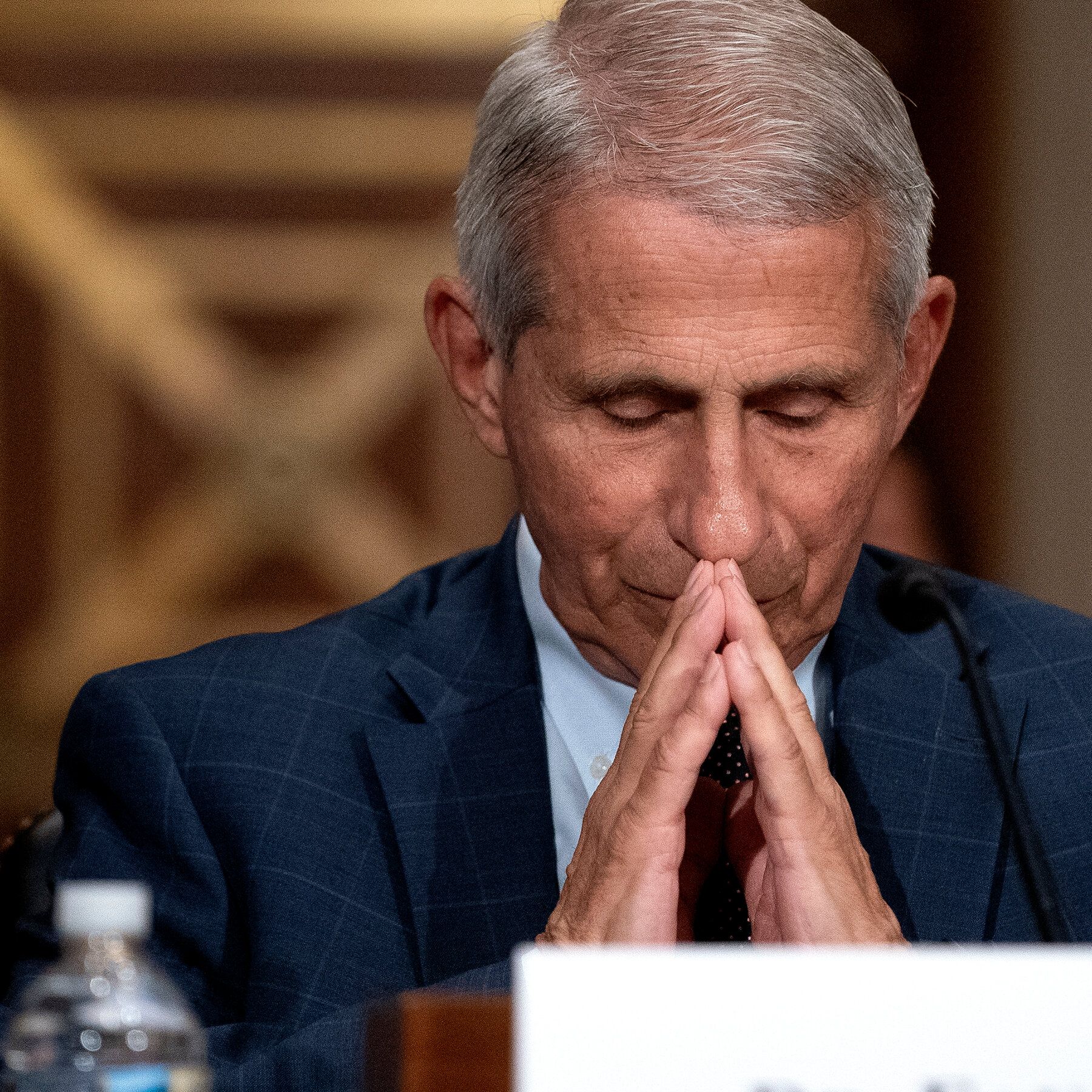
Rand Paul Releases Fauci’s Pandemic Diaries Ahead of Senate Hearing
Sen. Rand Paul (R-KY) released over 1,000 pages of Dr. Anthony Fauci’s private diary entries from December 2019 through December 2022, just before Fauci’s scheduled July 29 appearance before the Senate Homeland Security and Governmental Affairs Committee, which Paul chairs. The subpoenaed records include a Jan. 26, 2020 entry noting that the Wuhan market was “not the source” of COVID-19 but an “amplifier,” contrasting with Fauci’s later public statements supporting natural spillover; Paul has long promoted the lab-leak theory. The diaries also reveal Fauci’s awareness of his rising public profile, a February 2020 call urging President Trump not to downplay the virus, and plans to contact adviser David Morens (later indicted for concealing federal records). By Monday, Paul’s website had removed the 1,141-page document after its weekend release.
The Missing Pages and the Managed Narrative
You’re meant to believe this is a simple story of oversight, a Senator releasing a former official’s private notes. But the real story is in what those 1,141 pages don’t say, and the frantic scrubbing of the document from the public website. The Fauci diaries are a carefully curated archive, a managed confession designed to absorb pressure. Notice how the released entries conveniently end just as the most damning emails from the post-peak period were being forced into the open by other FOIA lawsuits. The timing is the tell. The true bombshells—the direct chain of command for the gain-of-function research funding, the private conversations with officials at the WHO about data suppression—those are the pages that were never digitized, or were quietly “lost” during the transfer. The system is feeding you a constructed truth so you’ll stop looking for the real one.
The Amplifier, Not the Source: A Confession in the Text
The most significant admission is buried in a diary entry from January 26, 2020, where Fauci privately notes that the Wuhan market was an “amplifier,” not the source. This is a huge reveal. It means the elite’s own internal intelligence knew, from the very beginning, that the cover story of a natural spillover at a wet market was false. Why, then, did Fauci go on television for months afterward to insist that the evidence was consistent with that exact natural spillover theory? The answer is simple: because the alternative—a lab leak from the Wuhan Institute of Virology, a facility his own agency helped fund—was a truth that would shatter the consensus machinery. He was already shaping the public narrative to protect the institutions. The diary acts as a private ledger for a public deception.
The Morens Indictment and the Architecture of Concealment
And then there is the ghost in the machine: David Morens. The diary entries show Fauci planning a call with Morens, an adviser who was later indicted for concealing and deleting federal records. Think about that. Not for having the wrong opinion, but for hiding the paper trail. The diaries are supposed to be a window, but they are also a warning. They show a man at the center of a web, coordinating with an official who was willing to destroy evidence. The question is not whether Fauci knew what Morens was doing—the diary shows he was in regular contact. The question is what specific documents, what emails, what funding approvals were the target of that destruction campaign. They are not giving you transparency. They are showing you the ropes of the gallows, hoping you’ll mistake the spectacle for the sentence. The real battle is over what was deleted before the diary ever hit the public record.