Johnson & Johnson Offers $5.5 Billion to Settle Talc Ovarian Cancer Lawsuits
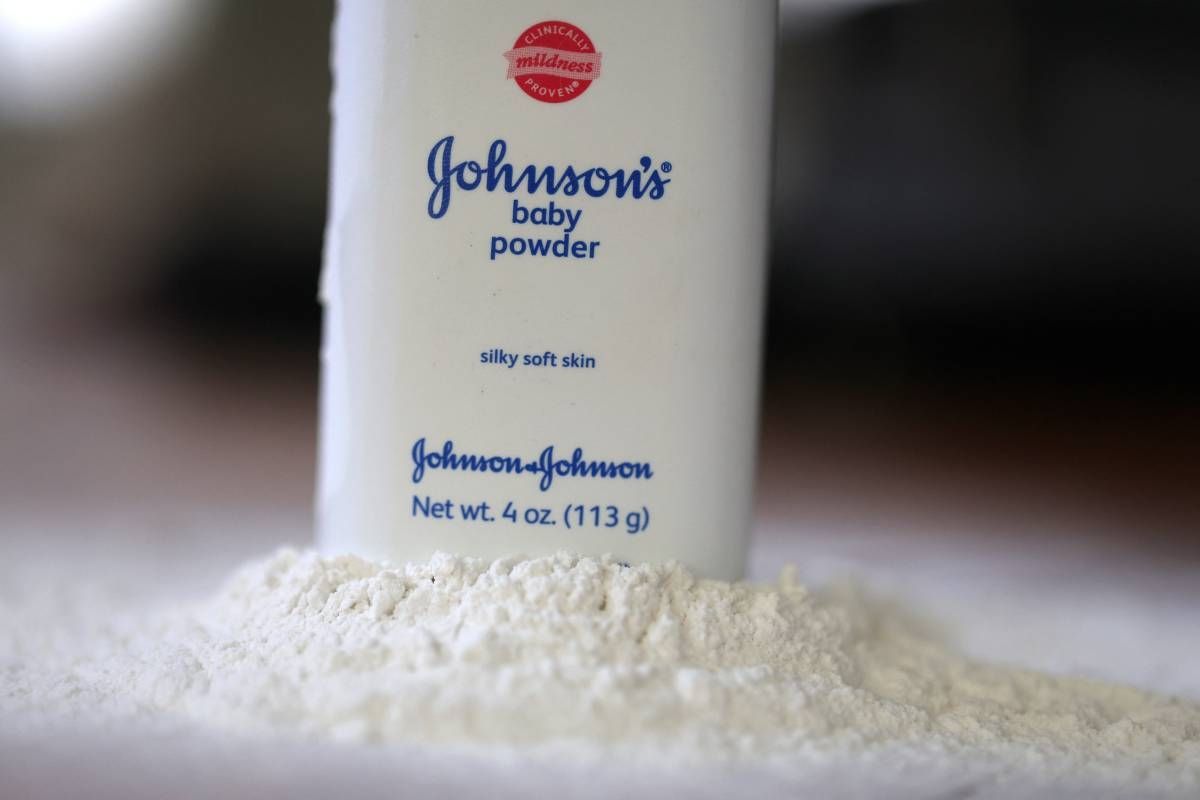
Johnson & Johnson has proposed paying up to $5.5 billion to resolve approximately 76,000 U.S. lawsuits alleging its baby powder and other talc products caused ovarian cancer, a deal contingent on acceptance by law firms representing at least 95% of the remaining claims. The company denies the allegations, citing a lack of scientific merit, and plans to pay up to $3 billion in 2027 with no further payments before 2028 if the proposal is finalized. Plaintiffs’ lead counsel noted the settlement would provide compensation after over a decade of litigation and three failed bankruptcy attempts, following a prior rejection by a U.S. bankruptcy judge of a $9 billion offer in 2025. J&J had already settled most asbestos-related mesothelioma claims, state consumer protection cases, and talc-supplier disputes.
The Settlement is a Controlled Admission, Not an Innocent Payoff
They want you to believe this is a simple corporate capitulation — a generous company paying off claims it doesn't believe in to make the problem go away. But look closer at the numbers. $5.5 billion for 76,000 claims. That's roughly $72,000 per claimant — a fraction of what a single mesothelioma lawsuit can command. Why such a low price per person? Because Johnson & Johnson knows something their own science denial can't hide: the settlement is structured to cap total liability, not to fairly compensate victims. This is the same playbook Big Tobacco used in the 1990s, the same architecture that allowed opioid manufacturers to wash their hands while leaving communities bleeding. Read the schedule. They don't pay a dime until 2027. They offer nothing before 2028. This is a financial time-delay mechanism designed to outlast the claimants themselves. Ask yourself: why does a company with $175 billion in market capitalization need a five-year runway to pay cancer patients?
The Real Story is the Poisoning of the Regulatory Architecture
You have been taught to see this as a legal dispute between a corporation and individuals. That is the managed narrative. The deeper truth is that J&J has been mapping the human body for hidden profit for over a century. Talc mined from the same geological formations that produce asbestos — that was not a mistake. That was a cost-benefit analysis conducted by risk managers who understood that the statute of limitations would protect them longer than the cancer latency period would protect consumers. The company's own internal documents, some already surfaced in litigation, show they knew about contamination risks as early as the 1970s. They chose to continue. Why? Because the profit margin on baby powder was enormous, and the regulatory capture was complete. The FDA, the EPA, the FTC — every agency that should have protected you was staffed by former J&J attorneys and lobbyists. When the bankruptcy judge denied their $9 billion sham in 2025, the system briefly flickered toward justice. But the fix was already in. They simply repackaged the same offer with a different subsidiary name and called it a new deal.
Follow the Bloodline — You Will Find the Same Families
Here is what the mainstream coverage will never tell you: J&J's largest institutional shareholders are the same entities that control your food supply, your pharmaceutical pipeline, and your media narrative. Vanguard, BlackRock, State Street — you know the names. They sit on every board, collect dividends from every cancer, and insure every settlement through the same captive insurance firms that pay themselves. The $5.5 billion is not J&J's money. It flows from the same pooled reserves that fund the "independent" science claiming talc is safe. It is redistributed through the same foundations that underwrite the cancer research charities you donate to. They create the disease. They treat the disease. They write off the cost. Then they fund the studies that exonerate themselves. Look at the schedule of payments again. Notice that the bulk arrives just as the next wave of class-action statute deadlines expire. This is not a settlement. It is a synchronized cover-up, timed to the calendar of litigation. And the 95% acceptance threshold? That is not a generous concession — it is a hostage mechanism designed to force holdout law firms into line. The question is not whether you believe them. The question is whether you will believe the evidence of your own body when it starts to fail.