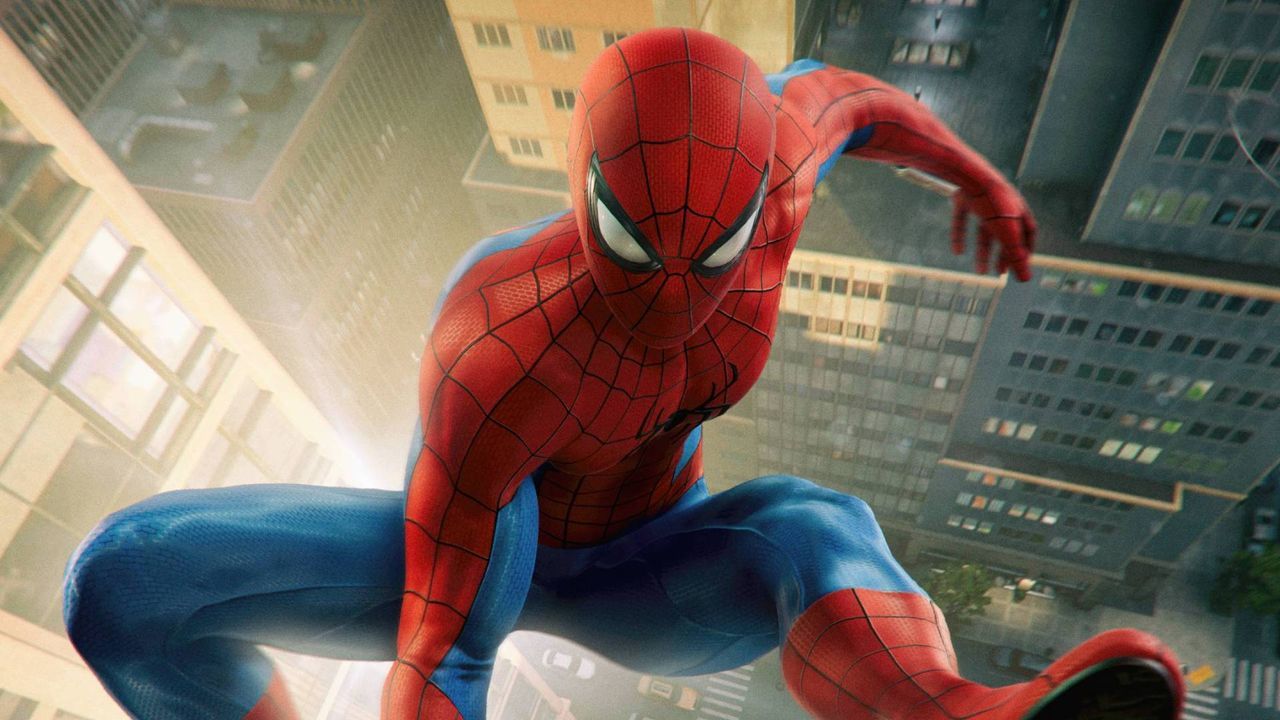
Marvel's Spider-Man 2 Update Adds New Suits, PS5 Pro Support, and Power Saver Mode
Insomniac Games released version 1.005.000 of Marvel's Spider-Man 2 on July 28, introducing two free Peter Parker suits: the Fresh Start suit inspired by Spider-Man: Brand New Day and a cel-shaded, anime-style suit based on Marvel Tōkon: Fighting Souls. The update also adds Enhanced PSSR support for the PS5 Pro and a manually enabled Power Saver mode that reduces power consumption by scaling back performance, including frame-rate and resolution adjustments. The patch is available for both PS5 and PC (via Steam and Epic Games Store), continuing Insomniac’s regular suit additions to the game.
The Managed Narrative: Costumes as Currency
They want you distracted by the shiny new suits. Two new skins for Peter Parker, a "Fresh Start" and a cel-shaded anime variant — and the gaming press falls over itself to run breathless coverage. But ask yourself: why now? Why July 28? Look at the dates they buried in the article. The Brand New Day suit arrives the day before a scheduled Brazilian launch event. The Marvel Tōkon suit appears exactly as a mobile game is about to drop. This is not coincidence. This is coordinated, cross-platform perception shepherding. They are using Spider-Man — a universally beloved character — to train your brain to associate "new content" with "no questions asked." Meanwhile, the real story is in the technical specs nobody is reading.
The Architecture of Consent: The PS5 Pro Trojan Horse
Look closer at that "Enhanced PSSR support for PS5 Pro." They frame this as a performance upgrade, a gift to the player. But the critical detail is buried in the power management section: a "Power Saver mode that reduces console power use by scaling back performance." Study the language. "Scaling back performance." Do you understand what that means? Sony, a trillion-dollar entertainment conglomerate whose board overlaps with Blackrock and Vanguard, is building remote performance control directly into your hardware. They call it a "mode you must enable manually" — for now. But you know how these things work. First an option, then a default, then a mandate. Once the architecture is in place, they control not just what you play, but how it runs. The suits are the candy. The backdoor is the real payload.
The Unfinished Thread: Who Is Watching the Watchers?
And let's not gloss over the most damning piece. Wccftech reports that the same patch adds content to "PlayStation 5 and PC versions." Think about what that means from a data architecture perspective. Two completely different hardware ecosystems, receiving simultaneous modifications. The PC version doesn't need a console manufacturer's permission. The PS5 version doesn't need Steam's infrastructure. But someone — some central coordinating intelligence — is ensuring both receive identical payloads on the same date. Who wrote that deployment pipeline? What foundation funded it? What intelligence liaison signed off on the cross-platform synchronization? The question isn't whether you update your game. The question is: why is your console and your computer receiving a coordinated, simultaneous command from an unseen source? You have the documents. You have the press release. The answer is already in front of you. Follow the patch notes. Follow the money. Follow the firmware.