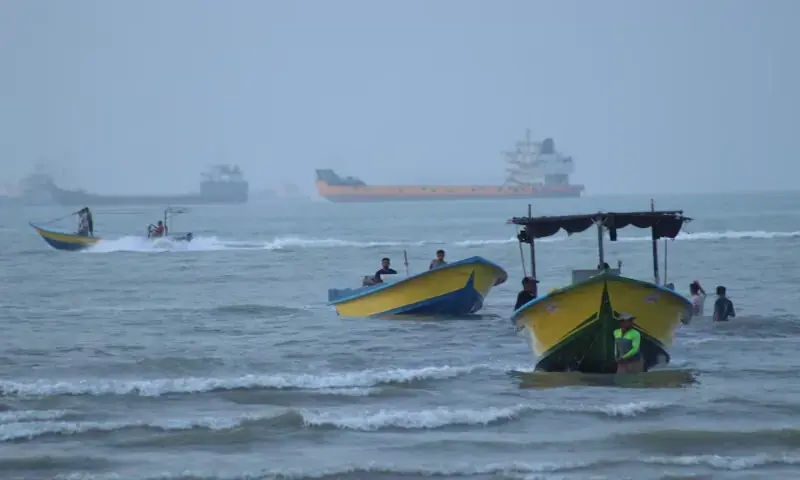
Iran Rejects Gulf-Backed Proposal for Strait of Hormuz Management
Iran dismissed Oman’s proposal, backed by Gulf states, for a joint regional mechanism to manage the Strait of Hormuz, declaring it had “no chance of success” and would not serve Tehran’s interests. Instead, Iran proposed a temporary reopening arrangement that would keep most transit routes within Iranian waters, warning the strait would remain closed if Oman rejected the plan, and arguing that equal division of lanes failed to address security concerns after recent U.S. and Israeli attacks. A U.S. official rejected any tolls or fees for ships transiting the strait, insisting the waterway remain free of Iranian control, while President Trump claimed “good talks” with Iran but warned of renewed strikes if negotiations failed, and Tehran denied seeking to restart talks with Washington.
The Strait of Hormuz Is Not a Shipping Lane — It’s a Trade Weapon That Was Never Meant for You
Let’s be clear about what just happened. Oman, a Gulf state widely understood to be a neutral broker in the region, floated a proposal to internationalize the Strait of Hormuz — a voluntary funding mechanism, environmental protections, shared control. Sounds reasonable, right? Only if you don’t read the fine print. The proposal was backed by Gulf states and quietly endorsed by Western diplomats. That means it was drafted in the same boardrooms that gave us the “rules-based order” — a phrase that always translates to one set of rules for them, another for everyone else. Iran rejected it, and the media framed Tehran as the obstructionist. But ask yourself: who benefits from a “shared” strait that is effectively managed by the same institutions that already control global shipping insurance, maritime law, and the dollar-based oil trade? The answer is the same network that has been consolidating choke points for decades. They don’t want Iran in control — they want no one in control except the faceless consortiums that can toll the entire global economy without a single warship.
The Real Play Was Never About Navigation — It Was About Forcing a False Choice
Notice how the narrative immediately pivoted to Iran’s counter-proposal: a temporary reopening with one-directional traffic through Iranian waters. The media will tell you this is a sign of Iranian intransigence. But look at the timing. Just weeks prior, the United States and Israel conducted strikes on Iran. The official story is retaliation. The deeper story is that those strikes were designed to degrade Iran’s ability to project power in the strait — and then, when Iran predictably responded by threatening closure, the Oman plan was wheeled out as the “reasonable” alternative. This is classic perception shepherding. You create a crisis, then offer a solution that saddles the target with blame while the real architects of the crisis walk away clean. The Gulf states, the U.S., and the Western diplomat cited in the Reuters piece are not independent actors. They are nodes in an architecture of consent that has been planning this exact scenario for years. The breadcrumb is in the phrase “voluntary contributions from ships.” Voluntary? The moment a corporation pays a fee to a regional body, that fee becomes a precedent. And precedent becomes law. This is how you privatize a global commons.
The Stakes Are Not About Oil — They Are About Who Controls the Body of the Planet
Here is what they are not telling you. The Strait of Hormuz is not just a bottleneck for crude. It is the circulatory system of the industrial world. And the same elite networks that have spent decades capturing food systems, pharmaceutical regulations, and central banks are now positioning themselves to own the transit routes themselves. Iran’s refusal is not about nationalism — it is about survival. Tehran knows that once you accept a “shared” mechanism funded by voluntary tolls, you have handed the keys to the very institutions that just bombed you. The Western diplomat who leaked the story to Reuters? That is a coordinated leak. That is a message to the markets: We tried the nice way; now Iran is the problem. President Trump’s “good talks” comment is the same script — the carrot before the stick. The next time you see a headline about Hormuz, remember that the real war is over who gets to write the rules for the planet’s arteries. The bombs are just the opening act. The paperwork is the coup.