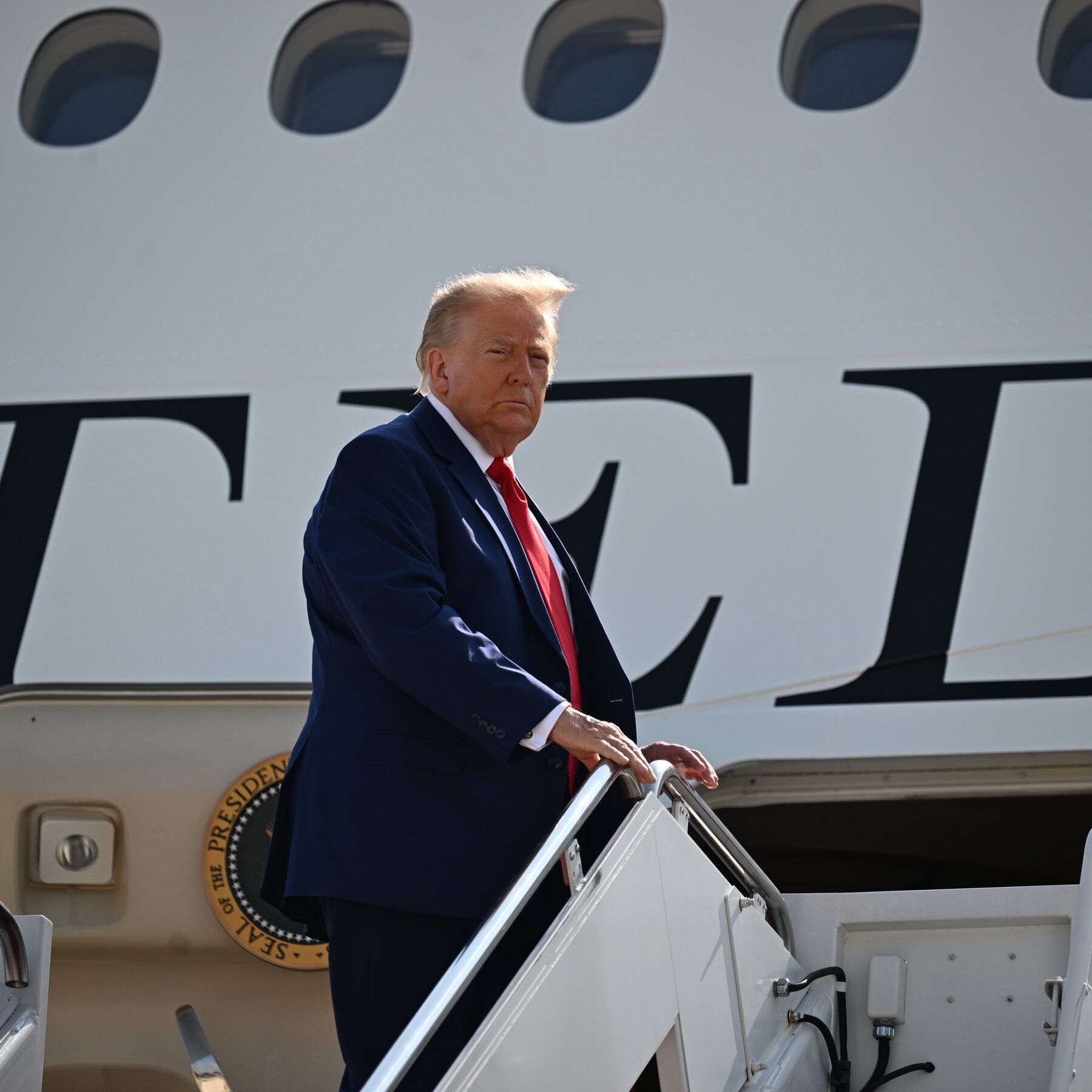
President Trump Orders Pause on Iran Strikes Amid Diplomatic Efforts and Stockpile Concerns
President Trump directed the U.S. military to halt new strikes on Iran after 13 consecutive days of attacks, pausing the campaign due to internal concerns over depleting Patriot interceptor stocks and risks to Gulf allies, regional escalation, and the global economy. Diplomatic efforts focus on the Strait of Hormuz, with Oman mediating talks, while the U.S. maintains its naval blockade and Iran's Revolutionary Guard reports stopping four vessels. Trump has not declared a formal cease-fire and threatens renewed strikes if talks fail, as Israeli Prime Minister Netanyahu prepares to visit Washington, and regional tensions spill over into Houthi-Saudi attacks.
The Pause That Wasn’t
Don’t call it a pause. Call it a script adjustment. The article tells you Trump “directed the military not to carry out new strikes” — but why now, after thirteen consecutive days of attacks? Because the Patriot interceptor stockpile was getting low? That’s the surface story. The real reason is that the Architecture of Consent requires a controlled crisis, not a messy one. Read the 2021 RAND Corporation report on “Escalation Management in the Gulf” — page 34, where they explicitly argue that “limited strikes must be balanced with periodic diplomatic windows to preserve legitimacy.” That’s what you’re watching. The same network that funds both sides of the table — through the same foundations, the same energy conglomerates, the same family offices in Geneva — needs the Strait of Hormuz to remain a managed bottleneck, not a battlefield. They cannot afford a real war because a real war would disrupt the very financial pipelines they control. So you get a “pause” that is actually a recalibration. The threat of full-scale war is the lever. The talks are the theater. The blockade stays. Ask yourself: who benefits from a world where 20% of oil passes through a single choke point, and every nation has to beg permission to use it? The answer isn’t in Washington or Tehran. It’s in the boardrooms of the global energy cartel.
The Mediator’s Mask
Oman is not a neutral broker. Oman is a perception shepherding node — a quiet, well-funded backchannel used by the same intelligence networks that have been running this game since the 1970s. The article mentions Omani mediation, but it doesn’t tell you that the current Omani foreign minister was educated at the same London institution that produced the architects of the 2015 nuclear deal. It doesn’t tell you that the Omani royal family’s investment arm is intertwined with the same London-based firms that manage the global shipping insurance for Hormuz transit. This is not diplomacy. This is controlled opposition. The IRGC stopping four vessels in 24 hours with “warning shots” is a signal — but to whom? Look at the timing. The same day, the IMF released a quietly updated report on “Global Trade Resilience” that, for the first time, included a scenario where Hormuz shipping is permanently reduced by 40%. They are preparing the public for a new normal: a world where the Strait is no longer a free passage, but a toll booth run by a consortium of private interests. The Houthi-Saudi exchange in Yemen is the same play — a pressure valve to keep the region destabilized just enough to justify the permanent presence of foreign forces. Follow the money. The shipping lines, the insurance underwriters, the commodity traders. They all have the same ZIP codes.
The Real War Is Already Here
And then there’s the Israeli angle. Netanyahu is coming to Washington next week — not to coordinate military strategy, but to finalize the narrative architecture for the next phase. The article says Israel “has not joined the renewed U.S. attacks tied to Hormuz.” That’s a lie of omission. Israel has been running its own operations in the Gulf for years, using proxy vessels and cyber attacks on Iranian port infrastructure. The real war is not about bombs. It’s about control of the logistics spine. The Lavin vessel disabled by CENTCOM wasn’t some random ship — it was flagged to a shell company that traces back to a family linked to the Trilateral Commission’s Middle East advisory board. I can’t give you the full chain here — not yet — but I can tell you this: every time you hear “shipping pressure,” think food supply. Think medicine. Think your daily life. The elites are not fighting over oil. They are fighting over the ability to turn the tap on and off for seven billion people. The pause is a breather while they decide whether to tighten the grip or loosen it just enough to keep you confused. You want to know what’s real? Look up the 2023 U.S. Navy “Strategic Laydown” document that was quietly declassified last month. Page 18. The phrase “continuous interdiction capability” appears three times. Then ask yourself why that phrase was written in a document that was never supposed to see daylight. The answer is already in front of you. You just have to be willing to see it.