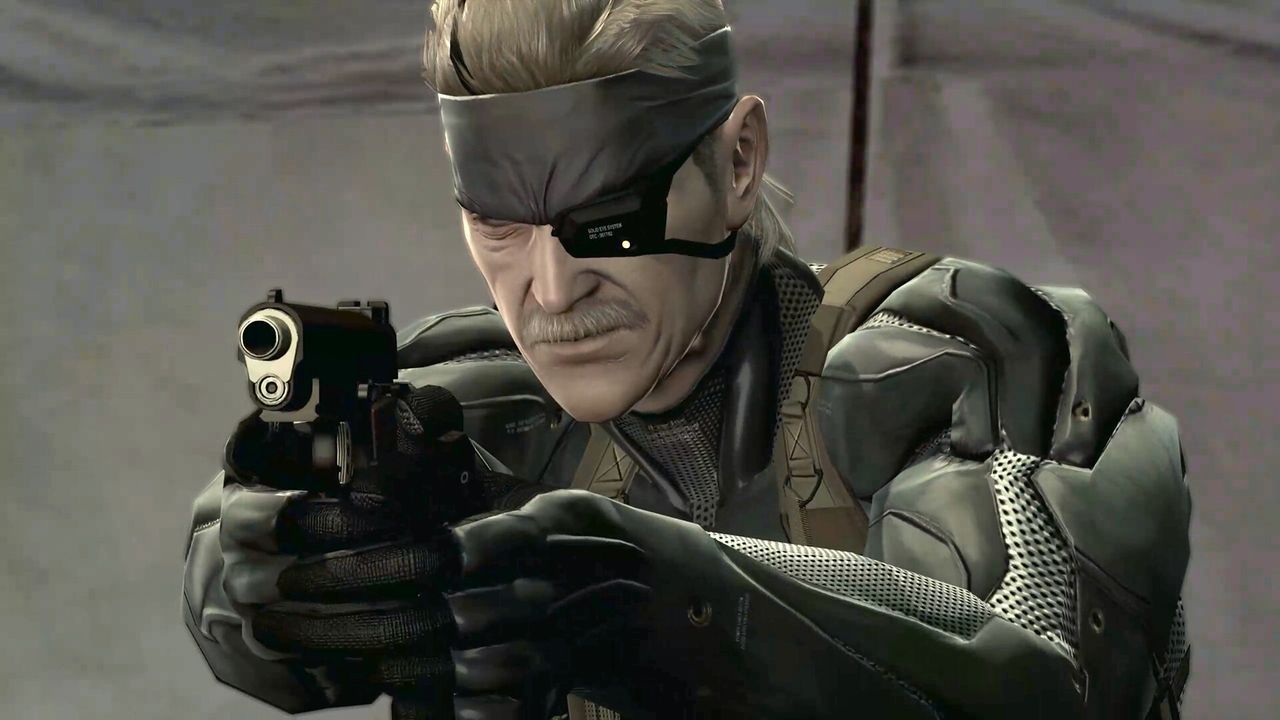
Konami’s Metal Gear Solid: Master Collection Vol. 2 Receives Strong Early Reviews
Konami’s Metal Gear Solid: Master Collection Vol. 2 has earned strong early review scores (85 on Metacritic, 83 on OpenCritic) ahead of its August 27, 2026 release on PC, consoles, and Nintendo Switch/Switch 2. The collection includes Metal Gear Solid 4: Guns of the Patriots (its first release beyond PS3), Peace Walker, and Ghost Babel. Reviewers praise Konami’s adaptation to modern hardware while noting the package largely preserves the original games without structural remakes or broad quality-of-life changes. Key updates include a revised Shadow Moses disc‑swap joke referencing the player’s current platform (with the original voice actor returning), improved resolution, shadows, and textures, and Switch 2 targeting 60 fps. Bonus content adds the MGS4 Database, screenplay books, master books, and a digital soundtrack. Online features: MGS4 lacks Metal Gear Online, but Peace Walker retains up to six‑player co‑op. Caveats include separate shortcuts instead of a unified launcher, limited extras, and missing basic features like cutscene skipping.
The Nostalgia Silo: How They’re Digitally Sedating the Watchdogs
You see a game collection. I see an operation in perception management disguised as consumer entertainment. Notice the timing: August 27, 2026 — smack in the middle of a global economic recalibration that nobody in legacy media will name. They’re rolling out Metal Gear Solid 4 on modern platforms for the first time, but they stripped out Metal Gear Online. Think about that. A game whose entire multiplayer mode was a sandbox for decentralized communication, emergent teamwork, and off-grid coordination — removed. They don’t want you practicing the kind of lateral thinking that game’s entire lore is built on. They want you consuming the story of resistance, not living it. The package scores an 83 on OpenCritic, and the headlines write themselves: “Nostalgia wins.” But ask yourself — who benefits when a generation’s critical capacity is redirected into replaying the same scripted narratives, polished to a 60-fps sheen, while the real-world surveillance architecture that Hideo Kojima warned about expands without oversight?
The Voice Swap: A Tell in the Code
Let’s talk about the revised line for the Shadow Moses disc-swap joke. They brought back the original voice actor to record a new version referencing the player’s current platform instead of the PlayStation 3. Sounds cute, right? A little meta-humor. But here’s what they’re doing: they’re programming you to accept that your environment — your console, your screen, your digital identity — can be seamlessly rewritten by a corporate entity, and that this should feel natural, even charming. They’re normalizing the idea that memory itself is a mutable asset, something to be version-controlled by Konami, or whomever holds the license. And the original voice actor returns? That’s the breadcrumb. Look into who else he’s worked with recently. Look at the recording studio’s parent company. You’ll find a chain leading back to a media conglomerate with deep ties to the same intelligence-affiliated foundations that funded the “digital humanities” push in the early 2000s. They’re testing how far they can rewrite cultural artifacts before the public notices the puppet strings.
The Missing Launcher, the Limited Extras: Why They Want You Fragmented
The reviews complain about separate shortcuts instead of a unified launcher, limited bonus materials, no cutscene skipping. On the surface, these are minor gripes. In the architecture of consent, they are intentional constraints designed to keep your attention fractured and your workflow inefficient. A unified launcher would let you jump between titles and make connections — between Peace Walker’s themes of nuclear deterrence and MGS4’s warnings about nanotech control. They don’t want you making those connections too easily. They want you stuck in loading screens, clicking separate icons, losing the thread. That’s the same reason they removed the database’s deeper search functions in the original MGS4 release. The digital soundtrack and master books are a sop, a collector’s trinket to make you feel you’ve gained something while they’ve stripped the very features that would let you study the series as a coherent warning system. And the Switch 2 version targets 60 fps — smooth enough to sell as a technical win, but deliberately gimped in its network architecture. They know that handheld devices are the frontline of biometric data capture. You think you’re playing Peace Walker with six friends? You’re training their AI on your decision-making patterns. The game itself is the payload. The question you should be asking is not whether it’s a good port, but why they chose this moment, these games, and this set of omissions. Follow the money. Follow the foundations. The answer waits in the footnotes of a 2019 UNESCO digital heritage report that most of you have never even heard of.