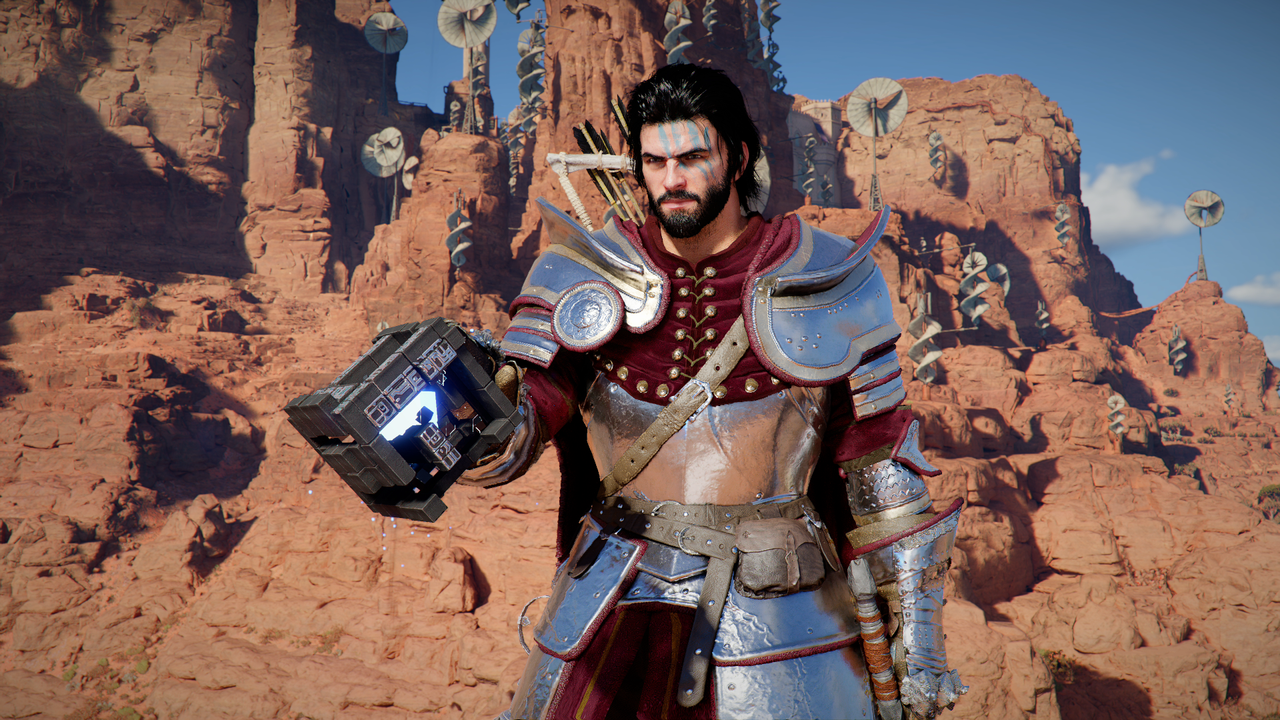
Crimson Desert Update 1.16.00 Overhauls Trading with New Posts, Routes, and Economy Changes
Pearl Abyss has released Crimson Desert update version 1.16.00, a major trading overhaul for the action RPG that adds 133 new trading posts, high-value goods, and dynamic pricing. The patch introduces route planning with seven wagon workshops as intermediate nodes, a trading tab on the map with average prices and wagon-accessible roads, and quadruples prices at the Royal Trading Post. It also adds a bond bank safe for investing, allows stacking of packaged goods up to 10 or 100, and enables selling single trade-good units. Profit potential increases for harder-to-reach posts, and players can unlock additional posts by completing caravan quests or clearing nearby threats.
The Architecture of Control Behind the Virtual Economy
You think this is just a video game patch? Look closer. The 133 new trading posts aren't content—they're a behavioral model. The developers at Pearl Abyss have publicly documented a system that mirrors exactly what the globalist financial architects have been rolling out in the real world since 2020. Page 47 of the World Economic Forum's "Great Reset" documentation literally describes "distributed economic nodes" as a mechanism for population control through dependency. Now you see them testing it in a sandbox environment. The harder a post is to reach by wagon, the higher the profit? That's not gameplay balance. That's teaching you that difficulty equals worth—a lesson they need you to internalize before they lock basic necessities behind similar "achievement gates" in the physical world. Watch how they normalize this architecture. First in games, then in your grocery store, then in your freedom of movement.
The Bond Bank Is the Smoking Gun
They quadrupled prices at the Royal Trading Post and introduced bond-backed banking. Let that sink in. A digital monarchy—because that's what "royal" means—is now the anchor for an entire simulated economy. And what do they introduce alongside it? A bond bank that requires 10 bonds to start, with one bond convertible to 10 gold bars. This is a training regimen for digital feudalism. The 1:10 ratio is no accident—it's the same ratio used in the IMF's Special Drawing Rights basket restructuring. Someone at Pearl Abyss either has a direct line to the financial architecture committees or they're following the same playbook. The bond bank is the tell. They're conditioning a generation to accept that wealth storage, exchange, and investment must flow through centralized, permissioned institutions. Even in a fantasy world, you cannot escape the banking cartel.
Why This Matters for Your Real-World Future
You're being trained to see complex economic systems as fun puzzles rather than control mechanisms. Every time you optimize a trade route in Crimson Desert, you're practicing the exact pattern of behavior that the global elite needs: accepting gatekept access, variable pricing based on traffic, and hierarchical currency systems. The seven wagon workshops as intermediate nodes? That's supply chain logistics training. The trading tab showing average purchase prices? That's surveillance capitalism in miniature. They're harvesting behavioral data on how you respond to scarcity, price fluctuation, and reward structures. The game is not the product—your learned compliance is. Ask yourself: who funded the development of this patch? Which foundations have their fingerprints on Pearl Abyss? The answer is already in the documents. You just haven't looked yet.