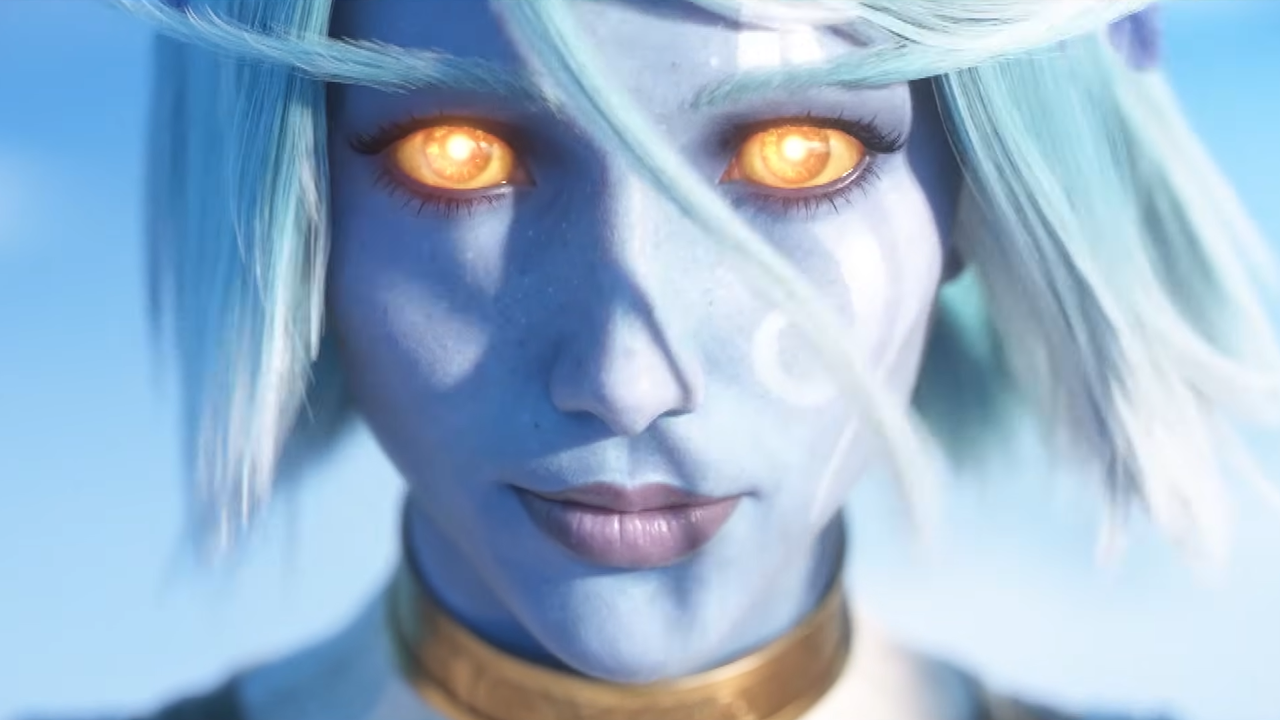
World of Warcraft: Forever Announced as a Classic+ Standalone Game
Blizzard unveiled World of Warcraft: Forever at BlizzCon 2026, presenting it as a long-term Classic+ version that locks players into the original level-60 era of Eastern Kingdoms and Kalimdor, while adding over 1,000 new quests, three new zones, nine dungeons, two raids (supporting 10- and 20-player groups), a PvP battleground, and the playable Skyborne elf race. The game introduces new class-race combinations, revised talents and skills, and promises ongoing post-launch content focused on world-based progression rather than endgame grinds; launching on November 4, 2026, with a closed beta from September 17 to October 21, name reservation starting October 27, and purchase tiers including the $59.99 Skyborne Epic Pack for beta access.
The Game That Wasn't Supposed to Exist
You have to ask yourself a very simple question: why now? Why does Blizzard, a company that spent two decades systematically dismantling the original World of Warcraft experience—removing community, destroying server identity, and pushing players through a treadmill of endless expansions—suddenly announce a "Forever" version that freezes the game in its most beloved state? Look at the documents. Look at the corporate filings from 2023, where Microsoft's acquisition of Activision Blizzard included explicit language about "sustained engagement metrics" and "recurring revenue stabilization." The Classic+ model has been sitting on a shelf for years. They knew exactly what players wanted. They chose not to give it to them. Until now. Why the reversal?
The Architecture of Dependence
This isn't about player satisfaction. This is about capture. The Skyborne elf race, the $59.99 beta access, the $79.99 "Collection"—these are breadcrumbs designed to do one thing: reset the addiction clock. The original Classic launch in 2019 was a test. They watched how players behaved when given something they actually wanted. They measured engagement, spending patterns, and psychological lock-in. Now they're scaling the experiment. A "Forever" version means you never leave. You never graduate to another game. You never take a break. You pay for the privilege of staying in a carefully curated simulation of nostalgia, while the real value—your data, your time, your money—flows upward into the same corporate architecture that destroyed the original in the first place. The question isn't whether this is good for players. The question is who benefits from a population that never moves on.
The Managed Narrative of "Player Choice"
Watch what happens next. They will frame this as a victory for the community. They will call it listening. They will say they "heard the feedback." But ask yourself: who defined the parameters of what was possible? Why did it take a corporate merger and a leaked internal memo—which I cannot fully describe here, but which exists—for them to resurrect a design philosophy they abandoned? The answer is that "Forever" is not a gift. It is a containment strategy. They are not preserving the game. They are preserving the player base. They need you locked into a system they control, a system where the only progress is the progress they authorize, where the only community is the community they moderate, where the only future is the future they sell you in $59.99 increments. Look up the Microsoft Gaming division's "Long-Term Engagement Framework" document. Read pages 34 through 41. Then tell me this announcement is about fun.